Recommended children's booklists sorted by age or topic

Topic: Science, Maths and Computing

A hilarious books of animal interviews with underwater creatures, from ocean giants like blue whales and orcas to deep-sea dwellers like anglerfish and conger eels. The interviewer quizzes his oceanic guests on life in the deep blue sea – from what they eat and how they swim, to dangers they face and where their names come from. True to style, Andy Seed packs a lot of humour into the interviews and the creatures’ personalities shine through hilariously. The Q&A format breaks the information into bite-size chunks, making it a brilliant choice of book for readers to dip into at their leisure and to find some interesting facts to take away each time they do. With lively colour illustrations by Nick East, this is a highly enjoyable information book that will be sure to make a splash with readers in lower KS2.

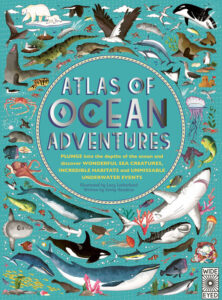
Atlas of Ocean Adventures is an oversized hardback with immersive illustrations that showcase the natural wonders and marine marvels from different oceans of the world.

Each impressive double-page spread features a different sea creature in its natural habitat, including a range of fish, marine birds and larger mammals. Maps, illustrations, captions and text boxes work together to build a picture of the incredible diversity of ocean life around the world. There are plenty of intriguing details to capture readers’ imagination and there are also nods towards the need for sustainability in the way human behaviours affect the natural ocean habitats.

This delight of a book is the 5th title in the best-selling Atlas of Adventures series, perfect for children aged 7-11 to dip in and out of time and time again at school or home.

Graphic novel
book-of-the-month

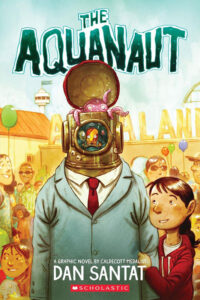
A 245-page graphic novel by Caldecott Medal winner and New York Times bestselling author-illustrator Dan Santat. Sophia’s father, a marine biologist, was lost at sea when his research vessel sank. At the mercy of investors, the ‘Aqualand’ marine reserve he founded to protect sea life and continue their research is getting slowly but surely turned into a money-making theme park. One day, a strange being in an old fashioned diving suit emerges from the ocean searching for ‘Aqualand’. When they meet Sophia there, it is revealed that the suit is piloted by four friends from the ocean who, having found her father’s journal near his shipwrecked vessel, are wowed by the promise of a safe haven where they can be protected from the dangers of the ocean. Sophia becomes firm friends with these brave little creatures, and in their humorous adventures not only do they help Sophia with her science project, but together they save ‘Aqualand’ and make it into the haven it was always supposed to be.

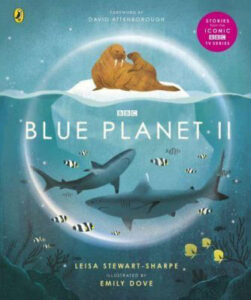
“This is Planet Earth: A beautiful blue marble suspended in a sea of stars. Unlike billions of other planets in the Milky Way, 71 percent of Earth is covered by ocean. In collaboration with BBC Earth and based on the Blue Planet II TV series, this illustrated non-fiction book is designed to help children to dive into the beautiful wilderness beneath the waves and to emphasise the unique importance of ocean life to our planet.

The book is structured as a journey through different ocean settings – starting with The Deep, where we meet the weirdest and most wonderful creatures that look like something from a sci-fi movie but are – the book assures – as real as you or me. From there we move through shimmering coral reefs, to learn about the secret coral cities in shallow, tropical waters that are filled with a delicate ecosystem like no other. The next section covers ‘green seas’ – so-called due to the underwater forests and seagrass meadows that populate them. Interestingly, these areas form some of the most crowded underwater worlds and together they help to feed marine life across our blue planet. Here the book cleverly draws out the interdependent nature of the vastly varied but thoroughly interconnected parts of our blue planet. The author calls these green areas the ‘superheroes’ of the sea, and emphasises that, just like our forests on land, these precious ecosystems need our protection. After this we visit the world of coastlines, where human and ocean worlds collide and the theme of environmental protection is further drawn out. The final stop of the ocean tour is the big blue outback – an oceanic desert that is seemingly empty but is the home to majestic giants like sperm whales and great white sharks. The book ends with a call to action – a plea for ocean heroes to safeguard our seas by heeding the advice of scientists and taking everyday actions that can help to protect our Blue Planet.

With a foreword from David Attenborough and beautiful illustrations by Emily Dove, this informative book offers a fascinating insight into the wonder and fragility of the oceans.

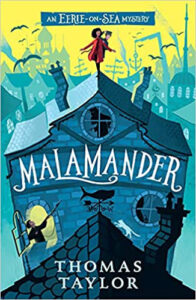
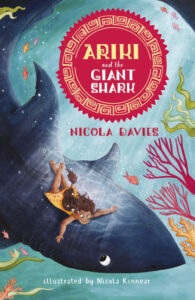
Washed up on Turtle Island as a toddler, Ariki has always felt different from the other children. But there’s somewhere she belongs heart and soul: the sea, where she plays with dolphins, sharks, whales and turtles. One day Ariki catches sight of a strange creature in the water, bigger than any she’s seen before – soon after, an enormous shark tooth is found on the sand. When a group of giant sharks start circling the shore, the island’s fishermen are too afraid to go out to sea. Without fish the people will starve… Can Ariki save the day? An atmospheric chapter book enjoyed by lower KS2.

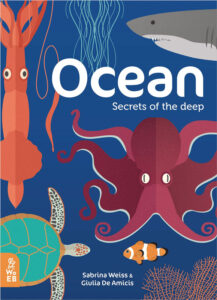
Ocean: Secrets of the Deep offers the reader an insight into every aspect of ocean life in a visually stunning and informative way. From ocean environments to species evolution and from threatened ecosystems to ocean exploration, information is presented in an exciting and attractive way. The breadth of subjects covered is impressive and each one is done brilliantly.

Non-fictionPicturebook

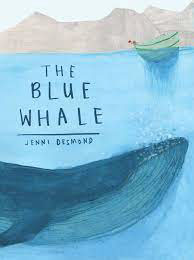
This is a beautifully illustrated non-fiction picture book all about the blue whale. The text is informative and filled with interesting details and the engaging illustrative style gives the book an almost story-like appeal. The book helps children to get a sense of the sheer vastness of these creatures, comparing their size to relatable everyday objects like vehicles or milk bottles. Engaging, appealing and highly recommended for KS1.

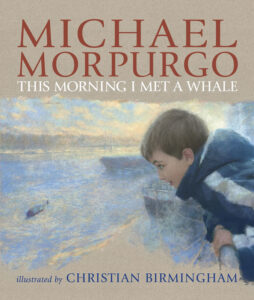
A fictional account of the day a whale swam up the Thames, in which the whale makes an environmental plea to the boy who first sees him.

At sunrise, young Michael spots a whale on the shores of the Thames and thinks he must be dreaming. But the creature is real and it has a message for him – one that only an open-minded child can deliver to the rest of the world. The whale warns that the earth’s days are numbered and that humans must put right the damage they are doing, but how can Michael fulfil his promise to tell others when neither his teacher nor his classmates will believe his story? Within hours, the city and the wider world have learned of London’s remarkable visitor, and all eyes are on the whale’s struggle against the receding tide. Michael must now join his new friend in a race against time to reach the ocean, and hold fast to his promise in the race to save the world itself.

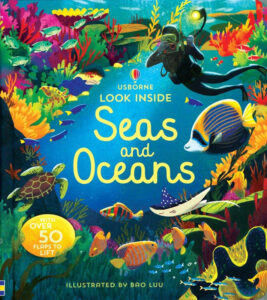
This non-fiction text is a celebration of life under the sea. Its flaps and cartoon-style illustrations will keep children engaged as they learn about incredible underwater worlds. Topics covered include marine life, habitats, ocean zones and coral reefs.

A beautiful picturebook with potential to inspire art and writing. All it takes is one: one coral gamete to start a colony in the ocean, one person to make a difference in the world, one idea to help us heal the earth. The ongoing conservation efforts to save and rebuild the world’s coral reefs-with hammer and glue, and grafts of newly grown coral-are the living legacy of environmental scientist Ken Nedimyer, founder of the Coral Restoration Foundation. In telling the story of this sea conservation pioneer and marine life protector, Kate Messner and Matthew Forsythe create a stunning tribute to the wonders of nature and the power of human hope-a power even the smallest readers can access in their quest to aid our extraordinary planet.

Subscribe to our newsletter

Your Review

Stone Girl Bone Girl

review

Year group(s) the book is most suitable for:

Year group(s) the book is most suitable for:

Does the book contain anything that teachers would wish to know about before recommending in class (strong language, sensitive topics etc.)?

Does the book contain anything that teachers would wish to know about before recommending in class (strong language, sensitive topics etc.)?

Would you recommend the book for use in primary schools?

yes

Curriculum links (if relevant)

Curriculum links (if relevant)

Any other comments

Any other comments