
Recommended children's booklists sorted by age or topic

Fire of London Topic

Best children’s books about the Fire of London 

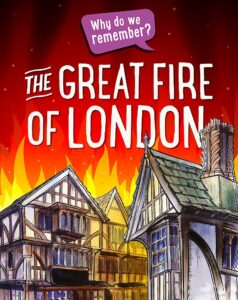
In 1666, a famous fire started in a London bakery and spread quickly to burn down large areas of the city. The fire was so impactful that it was called the Great Fire of London.

We’ve picked a selection of recommended children’s books about the Fire of London. From the flea’s-eye-view of the fire in Vlad and the Great Fire of London to the absolutely beautiful non-fiction illustrated compendium in the 350th Anniversary Guide to The Great Fire of London, this booklist will help you to get to grips with the key events of this popular history topic.

Look out for wooden houses, buried cheese, flame-hopping fleas and detailed diaries in our list of the best Fire of London topic books…


Fire of London Topic Quick Links

Add to Favourites
Please login to bookmark Close

Visit our booklists on Amazon

Support independent bookshops

SAVE 20% with Peters

Stories about the Great Fire of London

Picturebook

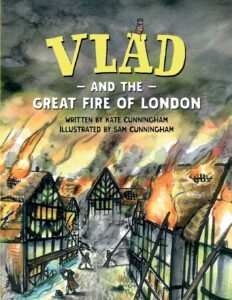
This is a picture book about the Great Fire of London, written by a primary teacher who was inspired to create it after teaching the topic for many years. It follows the events of the Great Fire as seen through the eyes of a tiny flea called Vlad who lives on the back of Boxton the rat. The two friends visit the bakery on Pudding Lane and witness the start of the fire before they join the masses of people fleeing the fire. Vlad and Boxton travel through the burning streets of London, watching the houses being destroyed and passing Samuel Pepys as he buries his most precious possessions. We were really struck by the images of the London refugee camps at the end, drawing striking comparisons to current day events and experiences. The author also offers school visits and resources via her website.

Chapter book

This exciting chapter book brings the tale of the great fire of London to life for young readers.

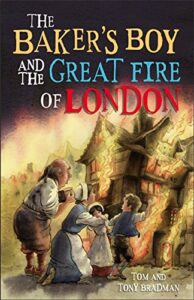
When Will Farriner wakes to the sound of crackling flames and the smell of smoke, he knows something is terribly wrong! As his family escape the flames engulfing their bakery, Will realises he must stop the fire from spreading. But what can be done before all of London goes up in smoke?

Full of adventure and danger, this chapter book is aimed at KS1 and lower KS2.

Children's Non-Fiction about the Great Fire of London

Non-fiction

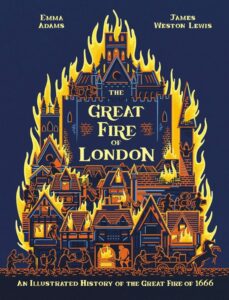
Published to mark the 350th anniversary of the fire, The Great Fire of London is a spectacular visual retelling of whole story of the fire, from the first piece of coal that starts smouldering in the oven of the Pudding Lane bakery to a whole city engulfed by raging red and orange flames. With stunning illustrations, captivating storytelling and a treasure trove of historical fact, this books is an absolute essential for classrooms covering this topic. There is also an accompanying activity book.

Non-fiction
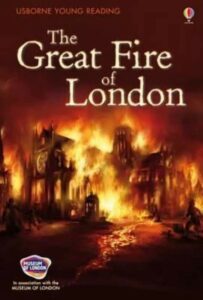
A simple and dramatic introduction to the Great Fire of London in 1666 - what caused it, how it spread, how it was put out and how the city was rebuilt. Colourful illustrations on every page help bring history to life, along with maps and photographs of historical evidence and simple informative text. Ideal for homework and school projects - the Great Fire of London is a popular National Curriculum topic at Key Stage 1.
Non-fiction

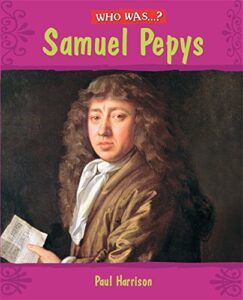
Samuel Pepys is famous for the diary he wrote 400 years ago. The diary tells us about lots of important events such as the Great Fire of London and the Great Plague.

Find out why people thought his diary was written in code, why Pepys was known as the ‘father of the modern navy’ and why he was arrested and sent to the Tower of London.

Non-fiction

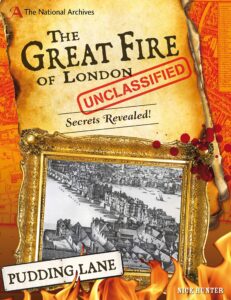
An exciting non-fiction text that will capture pupils’ interest through its quest to find the real story behind the Great Fire. The Great Fire of London Unclassified is a popular choice for guided reading, especially for those looking for a text with a less ‘cartoony’ feel to it than most of the other non-fiction options for this topic.

Non-fiction
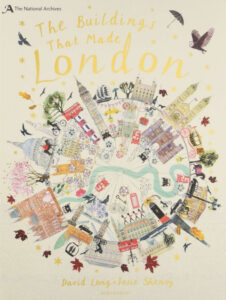
Take an incredible journey through the streets of London and see beautiful buildings as you've never seen them before! An elegant horizon of historic masterpieces mixed with sleek modern skyscrapers, the familiar London skyline seems to change every year. Using original architectural drawings from The National Archives brought to life by stunning artwork by Josie Shenoy, discover the rich heritage of some of London's most iconic buildings.

Non-fiction

A fantastic book about the fire of London in a unique and engaging format.

From the introduction, the reader is placed in the role of Samuel Pepys and guided through the London streets as he knew them – with all the hustle, bustle, smells, smoke and gory details! Within the opening pages, the fire of London is firmly placed within the historical and political context of the time – the aftermath of the Civil War, the recent plague outbreak and superstitions rife and then takes you through the events of the fire and its speedy spread across London.

Each double page narrates a part of the story of the fire, including what you (as Pepys) are doing at this time. It them poses an interesting question and answers it in several ways – for example, the question ‘How can the fire be stopped?’ leads to a discussion around the fire brigade, fire breaks, water pumps and asking the mayor for help. Each page also has a ‘Handy Hint’ box containing fun facts or advice for Pepys!

This book is a perfect accompaniment to the popular KS1 history topic but could also be used as a valuable resource in Lower KS2 for a group or whole class reading text or as a reading-for-pleasure choice to consolidate knowledge.

SAVE 20% with Peters

Visit our booklists on Amazon

Support independent bookshops

Booklists you might also like...

Subscribe to our newsletter

Your Review

Stone Girl Bone Girl

review

Year group(s) the book is most suitable for:

Year group(s) the book is most suitable for:

Does the book contain anything that teachers would wish to know about before recommending in class (strong language, sensitive topics etc.)?

Does the book contain anything that teachers would wish to know about before recommending in class (strong language, sensitive topics etc.)?

Would you recommend the book for use in primary schools?

yes

Curriculum links (if relevant)

Curriculum links (if relevant)

Any other comments

Any other comments