Recommended children's booklists sorted by age or topic

Home > Year Group Booklists: 50 Recommended Reads > Year 4 Booklist: 50 Recommended Reads

Year 4 Booklist: 50 Recommended Reads

Icon Award
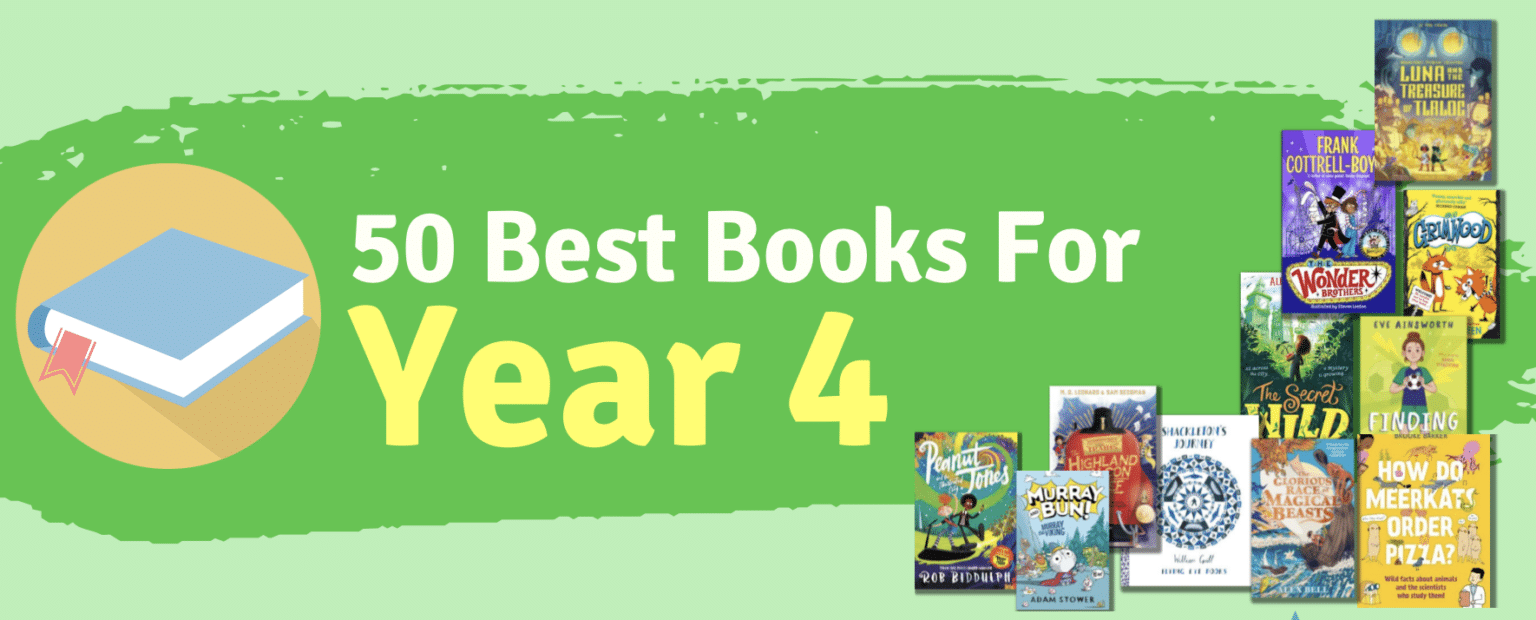
50 best books for y4

Best Books for Y4 (Children Aged 8-9)

This list of the top books for Y4 has been selected by experienced primary teachers, librarians and children’s book experts.

y4 best booksYear 4 children thrive best with their reading when they are able to choose from a quality selection of adventure stories, thought-provoking chapter books, funny books, animal tales, picturebooks, graphic novels, poetry collections, non-fiction texts and more. We hope that there will be something for everyone on this list, but do keep your eyes open for alien chickens, DIY space explorers and magic wardrobes…

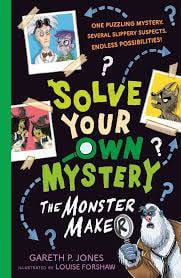
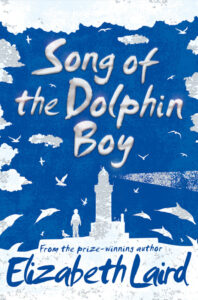
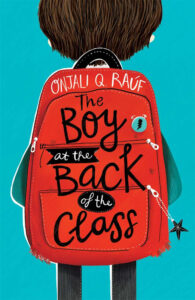
This Year 4 reading list is carefully designed to match the age, developmental stage and interest level of children in Year 4. This booklist includes some of the most popular Year 4 stories such as The Land of Roar, The Boy at the Back of the Class and How to Train Your Dragon as well as some lesser-known storytime delights that we recommend for Y4, like David Almond’s AI-inspired Brand New Boy, Elizabeth Laird’s Song of the Dolphin Boy and the super fun choose-your-own-adventure style mystery The Monster Maker.

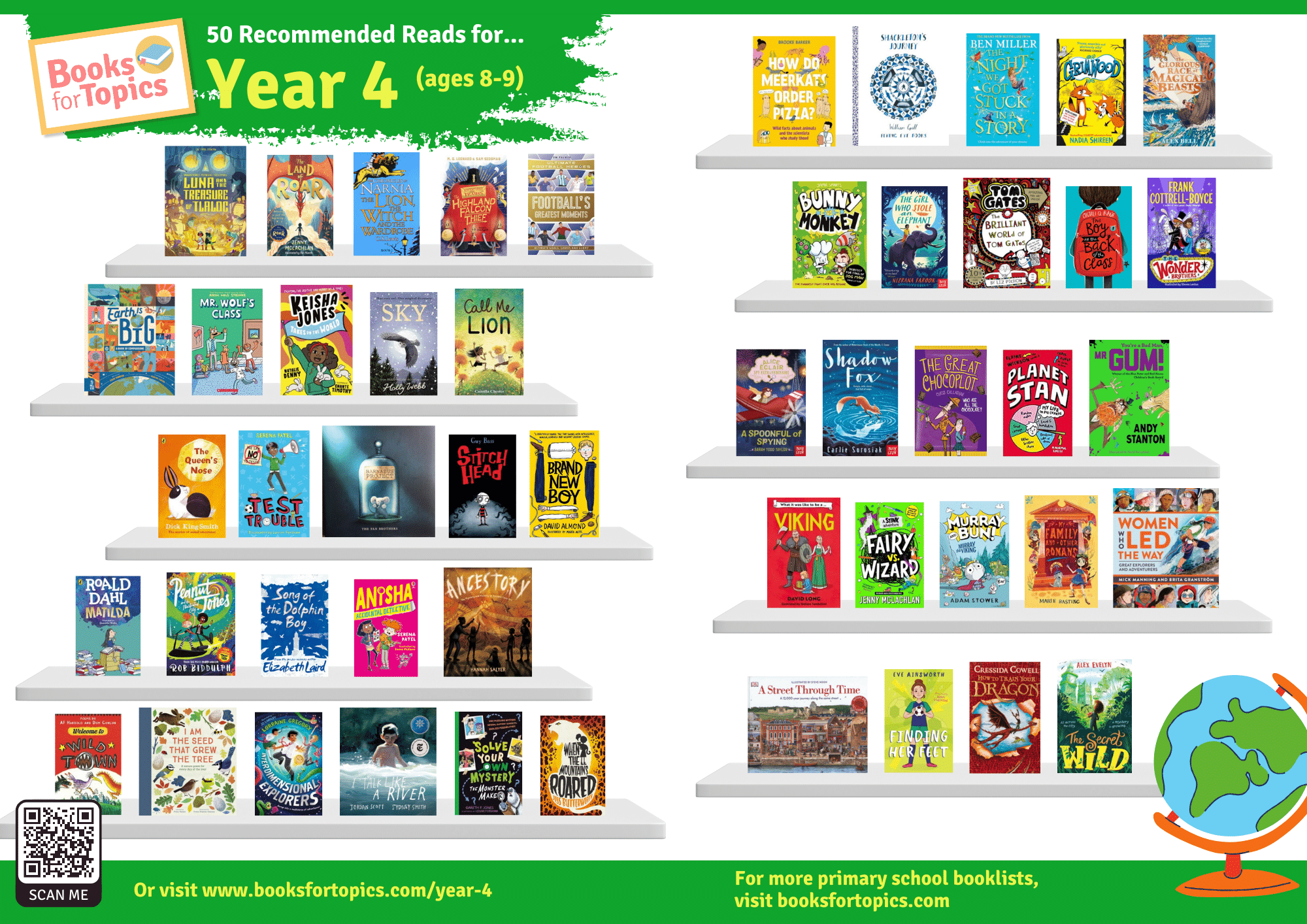
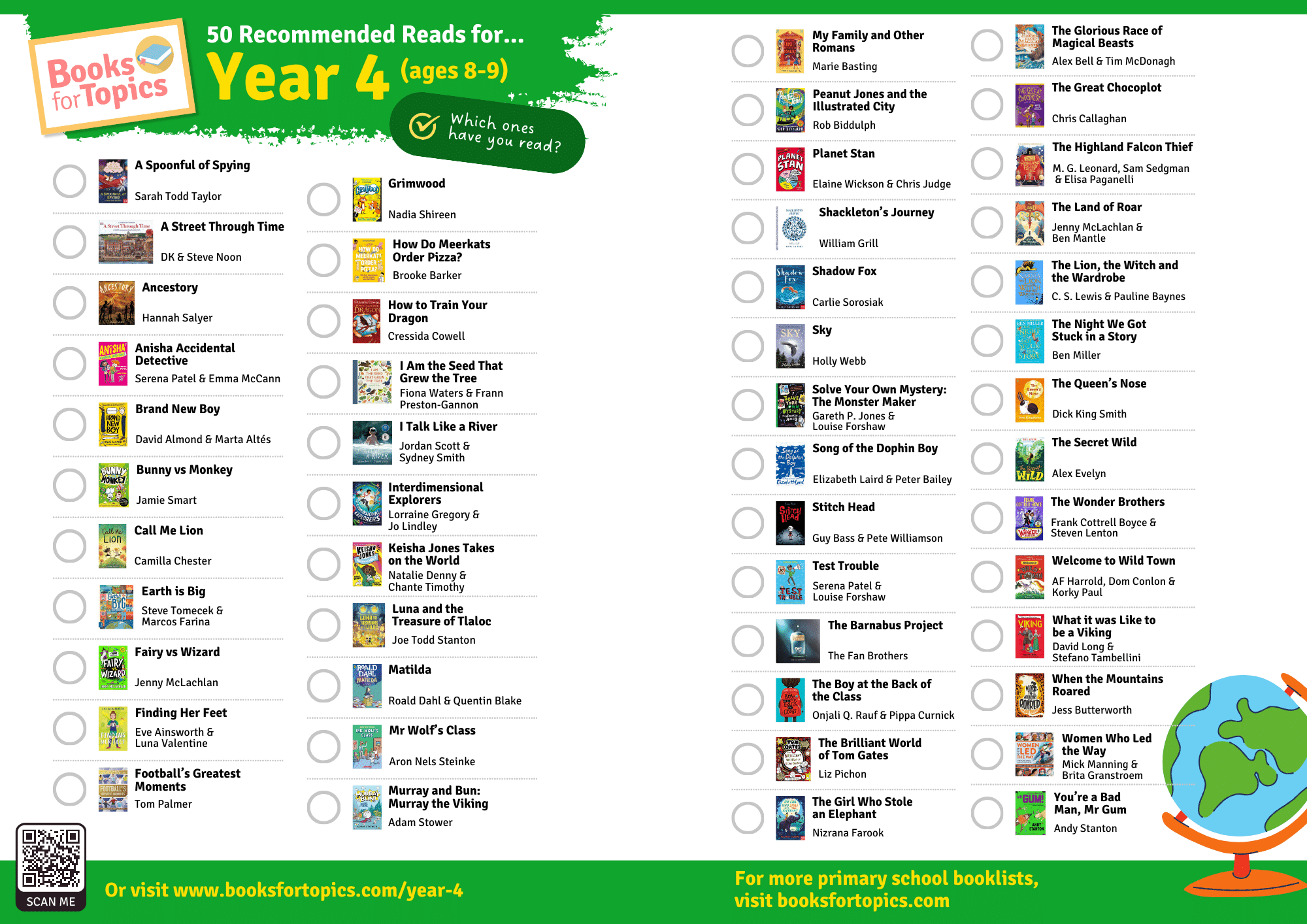
As well as the Y4 reading list below to browse, we’ve also got a printable poster, a downloadable checklist and a handy bookmark for you, and schools can purchase full sets of all 50 books via Peters.

Browse the Y4 reading list below or scroll down to find more purchasing options and printable resources.

Quick links on our Book List: Year 4 Booklist: 50 Recommended Reads

Add to Favourites
Please login to bookmark Close

Visit our booklists on Amazon

Support independent bookshops

SAVE 20% with Peters

Favourite Storytime Reads for Year 4

Chapter book

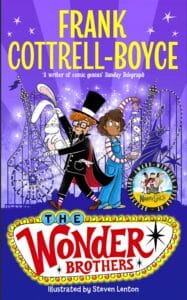
It’s show time! Meet Blackpool’s very own Nathan and Middy, together they are The Wonder Brothers! Of course, they couldn’t perform their acts without a support team comprising the steadfast Brodie and his giant white rabbit, Queenie (the real star of the show!). Together, the children have spent summer holidays in Blackpool, perfecting the art of magic, but when a legendary magician comes to visit and makes Blackpool’s prominent landmark vanish, they go on a mission to get it back. The Blackpool Tower has disappeared, and when Middy is interviewed by the press, she promises that they will return it.

Along the way, the children are guided by a magical code of conduct, channelling their energy into positive outcomes and using their somewhat limited resources effectively.

This is children’s laureate Frank Cottrell-Boyce at his very best. Alongside the glorious illustrations by Steven Lenton, the magic and mystery ooze off the pages. The story is fast-paced and engaging, with a fantastic cast of characters who will leave even the most sceptical reader wondering just how the tricks are done. Great for Year 4 and up.

Chapter book

This is an adrenaline-filled rollercoaster ride of a story!

The story begins with a bang and the race is on to find sixteen ‘lightstreams’ hidden across the globe. When the lightstreams have been discovered,  the finders transported to Imagination Island. There, we encounter larger-than-life characters with traits, strengths and weaknesses, who work with, and sometimes against, each other to save the island for generations to come.

The storyline is fast and furious with a hectic romp through puzzles and adventures. The family characters are well construed and Mel Taylor-Bessant paints a clear picture of shy Luca and each of his siblings. The appeal will sit well with years 3 and 4 while the language and some of the content are informal and strong in places, and the pace rarely lets up, perhaps leaning towards older readers too.

Chapter book

Sebastian and his two best friends, Lina and Étienne become stranded on a desert island and it’s all Sebastian’s fault. The three friends won a school competition to take part in an environmental summer camp where they would learn how to protect the planet. Sebastian became particularly competitive with the other children at the camp, and before they knew it, there they were, shipwrecked and alone on another island. Headstrong Lina soon takes charge, determined that they won’t make the same mistakes as the children in ‘The Lord of the Flies’ and Sebastian sets out to gain his military dad’s approval.

Told from Sebastian’s point of view, the chapter headings are a series of ‘survival tips’ based on things he’s learnt along the way. The story is full of humour, wit and several animal companions, but it also carries a lovely message about friendship and working together to overcome difficulties.

This is a great adventure story by popular children’s author Jenny Pearson, suitable for Year 4 and up. It will also be loved by fans of humorous stories.

Chapter book

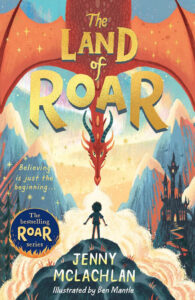
This story is full of imagination, adventure and excitement and makes for a perfect read-aloud choice for storytime. Land of Roar is an instantly gripping adventure where childhood games become a reality for two twins. I raced my way through it, wondering what dangers twins Rose and Arthur were going to encounter next, whilst simultaneously wanting to visit Roar myself!

Land of Roar makes for a fantastic portal story where you can’t help but be dragged into this magical land of make-believe in a story full of adventure, magic and friendship. I love the idea of childhood games coming to life and the idea appeals well to the imaginations of children aged 8  to 10 – old enough to remember make-believe games from a younger stage but still young enough to allow themselves to be swept away by imagination and magic.

Land of Roar is the kind of fantasy adventure that grips you from the first page to the last and keeps you wanting more…so it’s a good thing there’s a sequel!

Chapter book

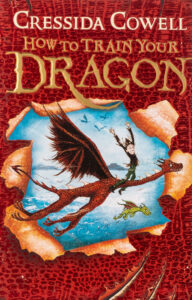
An absolute winner of a story and a brilliant choice for KS2 children in Year 4, 5 or 6. As you might expect from former Children’s Laureate Cressida Cowell, who really is a master storyteller, this fantastic series is full of delightful characters, exciting expeditions and sumptuous settings. There’s plenty of action, and a good dollop of humour too.

Hiccup is a small Viking. As part of the initiation process for his tribe, he is required to lead a group of novices in their task of dragon training. Unfortunately, Hiccup’s designated dragon is far from what he’d dreamed of, but despite all odds, it doesn’t take long for Hiccup to prove himself to be a true hero.

We love this exciting action-packed series and thoroughly recommend the series to fantasy and adventure fans.


Animal Stories for Y4

Chapter book

11-year-old Silver is wild at heart and loves nothing better than climbing trees. Her parents are desperate to have another baby, but not even medical intervention has worked for them. Family life has lost its colour and happiness – they all need a change of scenery and something new to focus on. Then her father is offered a four-month job in Costa Rica, painting pictures of turtles for a rescue centre. The plan is for the centre to sell his artwork, raising funds as well as raising awareness of the turtles’ plight.

As Silver settles into her new life at the animal sanctuary, she makes a new friend, and he encourages her to become actively involved in safeguarding the turtles.A chance encounter with the rarest turtle of all results in Silver feeling the weight of new responsibilities, and when disaster strikes on a very stormy night, it is up to the two youngest turtle protectors to save many lives.

The story threads together many interesting themes and wraps them up in a wonderful story about wildlife, habitats and the changing animal world. Friendship, self-doubt, bravery and resilience weave through the chapters alongside thorny issues such as depression and family strife. The characters are all likeable and you find yourself empathising with and rooting for Silver and her parents, as well as the turtle families.

It is a well-crafted, feel-good story, which, just like Hannah Gold’s previous animal books, is a fantastic read.

Chapter book

The Summer Dolphin takes readers to the Welsh coast, where Lillie’s holiday is overshadowed by loneliness as her sister excludes her. This is the latest in a series of animal stories by beloved children’s author Holly Webb. A glimpse of dolphins offers Lillie brief joy, but a desire to prove herself leads Lillie on a risky solo trip to a tidal island, where she faces danger.

This poignant story expertly captures the raw emotions of a younger sibling while beautifully evoking the Welsh coast and its wildlife.

David Dean’s illustrations bring the characters and nature to life, making it a perfect read for those who enjoy short chapter adventures about family and animals. An adventurous and joyful animal story.

Chapter book

A wonderful uplifting read from Helen Peters.

Hannah and her siblings are aghast when their always-strong, forever-busy farming father has an accident leaving him hospitalised and unable to work for weeks. Things go from bad to worse when they discover that the farm’s landlord wants to sell the farm off, leaving them homeless and farmless. They need to raise two million pounds in a few short months

The Great Farm Rescue tells the story of how Hannah, her friends and family – along with many volunteers – try the impossible task of raising the funds to save the farm. Running alongside the fundraising storyline is that of Hannah’s school production of A Midsummer Night’s Dream and the bully determined to get Hannah thrown off the play and humiliate her for good measure. This storyline is a continuation of Helen Peters’ previous books in the ‘Hannah’s Farm’ series, but also can be read as a standalone.

This heartwarming adventure will be enjoyed by many, as read-aloud enjoyment from 6 plus and read-alone for ages 8 and above. With an abundance of likeable characters, human and animal, you can’t help but get swept up in the drive to save the farm and the many twists and turns along the way. The book is well written with a plot line that keeps you wanting to read more, with a few laughs along the way.


Classic Books for Year 4

Chapter book

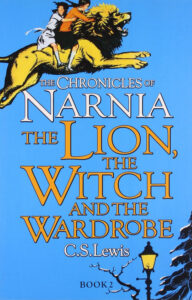
The Lion, the Witch and the Wardrobe is the second book in C. S. Lewis’s classic fantasy series, which has been drawing readers of all ages into a magical land with unforgettable characters for over sixty years. This is a stand-alone read, but if you would like to explore more of the Narnian realm, pick up the full series.

The idea that undiscovered magic is on your doorstep, or possibly even in your bedroom, is wonderful. This remains a favourite childhood book and a true classic for children in KS2.

Chapter book

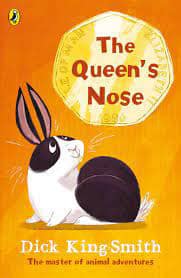
A classic children’s book from beloved author Dick King Smith.

There’s something magical and original about this story, in which a girl called Harmony comes to own a magical 50-pence piece that will grant seven wishes. An exciting adventure ensues, with highs and lows that will make the reader feel truly invested in the story, as Harmony has to make choices about what to spend her wishes on, and some of them have unforeseen consequences that make the phrase ‘Be careful what you wish for’ ring true.

Readers root for Harmony, who is likeable and relatable, as she deals with the frustrations of family life and learns to stand on her own two feet in facing the aftermath of her independent choices. Harmony’s magic coin helps her to think about appreciating the things that are dear to her and slowing down to consider the consequences of her decisions – both good lessons to learn as children grow up.

We love this charming animal story, which explores themes of family and responsibility with a sprinkling of thrilling magic realism.

Chapter book

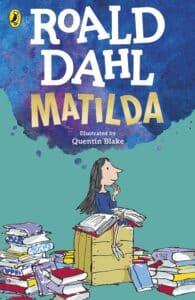
Matilda by Roald Dahl has earned its place as a classic of children’s literature, with the character of Matilda being iconic. The story has seen popularity for decades, boosted by two film versions and a hit musical.

Matilda, who is unusually smart and self-sufficient for her age, is ignored and undervalued at home and mistreated at times. When she starts school, she befriends a kind teacher called Miss Honey – the first person to ever take the time to appreciate and understand book-loving Matilda. Meanwhile, a cruel and villainous headmistress called Miss Trunchball casts a dark shadow over Matilda’s school. Matilda harnesses her inner powers and with a little help from her friends, begins a revolution that will soon see the children empowered and Miss Trunchbull’s dark regime overturned.

Roald Dahl is the master of creating devious villains, and Miss Trunchbull is one of his most memorable, here representing the repressive forces in Matilda’s life that threatened to dampen the lamp of childhood joy. The edge of magical realism provides balance and comic relief against the more serious aspects of Matilda’s mistreatment.

In true Dahl style, the resolution is happy for the protagonist, and the villains get their just desserts.

Non-fiction

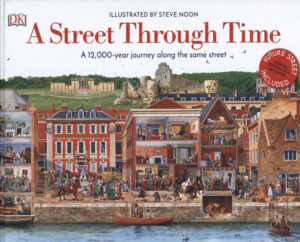
This wow-factor history book takes the reader on a 12,000-year journey to find out the story of a single UK street, showing the street during a different historical period on each page.

Many young readers love any non-fiction books that explore or peek behind closed doors. A Street Through Time does this in the best possible way and over thousands of years. You can see what people’s kitchens and bedrooms (and loos!) looked like from the Romans to the Victorians (Roman toilets I’d avoid….!).

We also love how busy this book is, so many brilliant details to explore again and again and how it shows the change in a single place over a long period. A classic among children’s non-fiction – and for good reason.

Funny Books for Year 4

Chapter book

This is a wonderfully funny story from the queen of humour Pamela Butchart tells of some friends trying lots of different ways to make money. They have some ups and downs along the way as they take their idea of selling cheap pizza and try to make it into a business that makes lots of money.

Ben’s family are having some money troubles at the moment because his Dad has lost his job, and he wants to help his family find the money to pay the rent. He has read a self-help book about becoming a billionaire and thinks he can do it as well. He uses the tips from the self-help book as his guide for the best things to do to succeed in business. The story ends with a lovely example of how friends can come together to help each other.

This is a great example of a diary that primary children in Key Stage 2 would engage with. The illustrations help to break up the text and make it more exciting for the reader.

Chapter book

This is a fun school adventure which will appeal to fans of Pamela Butchart and Serena Patel. The story centres around Mina and her friends and their fears as they hear rumours of a spooky phantom that’s said to haunt the venue for their school camping trip.

The text is large, with wide-spaced lines and generous illustrations and some playful typesetting for emphasis, which all help with appealing to those children put off by extensive blocks of dense text. The authentic portrayal of Mina’s Bangladeshi family adds a layer of interest to the story.

This will be particularly popular with lower KS2 in a school library and will also be enjoyed by some of the older children looking for a lighter, entertaining read.

Chapter book

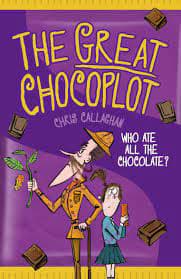
We love this laugh-out-loud funny book and recommend it for Year 4.

The world faces the terrible prospect of running out of chocolate. A chocolate loving girl called Jelly and her clever gran investigate, foiling a Dahl-esque villain called Garibaldi Chocolati.

This illustrated book is a light-hearted, fun read-aloud with chocolate-related hijinks, characters you’ll love and a mystery that keeps you guessing.


Chapter book

A wonderfully silly and gloriously bonkers adventure that introduces the brilliantly funny heroine, Betty Steady.

Bustling with quirky characters, clever wordplay and outrageous situations, this book plunges readers into a world of surreal humour, where Mr Gum meets Starfell. When Betty lands herself in trouble, she finds herself shrunken and trapped by the mischievous Toad Witch, who plans to take over Wobbly Rock.

This story is a riot from start to finish, perfectly matched by Sarah Horne’s exuberant illustrations. This is a series that will fondly appeal to humour-loving readers in KS2.

Chapter book

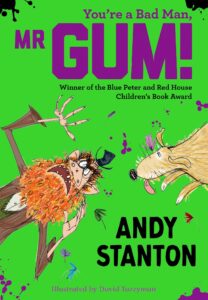
The Mr Gum books have become absolute classics for children who love funny books and appeal to those with a wacky style of humour.

You’re A Bad Man, Mr.Gum is a stonkingly funny read from Andy Stanton, full of pure silliness and with a track record of delighting children aged 7-10. Mr Gum is mean, untidy, grumpy and grizzly, but he is very good at keeping his garden neat. When an excitable giant dog called Jake makes a mess in Mr Gum’s garden, Mr Gum’s mean streak comes out in hilarious and fairly ineffective ways.

Children enjoy the randomness of the dialogue, the unpredictable plot, the funny character names and the author’s witty asides. Illustrations capture the madcap tone of the book and add to the fun.


Historical Fiction for Y4

Chapter book

This latest historical fiction from Tony Bradman has all the elements of a traditional historical adventure story, with a thoughtful and courageous hero who’s out to prove himself navigating the Roman world and who’s naturally skilled in a classic sword fight. The story is exciting, tightly plotted, and grounded in enough research for the setting to be thoroughly convincing.

Lucius is eager to be adopted by his new stepfather and to make his way in Rome, but instead finds himself packed off to Londinium, where he discovers a ruthless assassin on his tail. To escape, he joins the Roman army under a false name. His bravery and loyalty quickly earn him recognition from his commanders, but the more he gains success, the more he wishes he could reclaim his true identity. As danger looms on the northern border, Lucius’s position becomes more precarious and secrets from his past threaten to resurface and destroy everything he has fought for.

While not especially complex, the narrative is pacy and well-written, with great chapter headings that read like newspaper headlines. It would make an excellent page-turning read-aloud or ‘read for pleasure’ recommendation in any class studying Roman Britain at Key Stage 2.

Chapter book

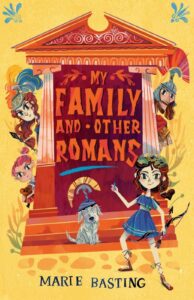
This is the second in the series of Livi’s adventures, but it works well as a standalone read, as there is plenty of backstory to explain it all.

It is a wonderfully bonkers book, taking Roman and Greek mythology and using it as the basis for madcap escapades, mixed up with modern situations too. I particularly liked the extensive glossary and use of historical terms throughout the text. My favourite part was the collection of objects, and I don’t think it would spoil the plot to mention that Alan Titchmarsh’s secateurs are amongst them. Any book that can make adults as well as children laugh and learn, has got to be a good one.

Livi is such an entertaining narrator, and her bluntness is her strength. The illustrations and cover by Flavia Sorrentino are a delight, hinting at the story at the start of each chapter as well as bringing some of the characters to life. This is definitely the sort of book to make a great read-aloud and companion text for any Romans topic.

Chapter book

It is 1249 BCE, and Henut lives in Egypt with her blended family. Her father remarried following the death of her mother, who was lost in the River Nile. Henut feels she is different from her family and is distrustful of the gods, which frustrates her father and causes a rift between them.

Strange things start to happen to Henut and her family, which lead to her leaving her family and embarking on a mission to uncover the truth and set things straight. She soon finds out that family cannot always be trusted and that the protection of the gods might be important after all – especially when breaking into a tomb in the infamous Valley of the Kings.

The book was enjoyable to read and would be a great class reader for a lower KS2 class studying the Egyptians.

Chapter book

‘Terrible True Tales by Terry Deary (of Horrible Histories fame) allows young readers to learn about the history of the Romans in a fun, engaging way.

Like with any good historical fiction, children are introduced to an array of death, rebirth, slaves, soldiers and a little bit of gore! The book is split into four short stories, previously published separately, which capture some famous legends from Roman history. Through the story collection, we witness the fire of Circus Maximum, Roman Emperor Claudius betraying the Queen and the volcanic eruption in Pompeii. In the final story, readers will learn about the infamous legend of the Roman geese, much to their amusement.

At the end of each short story, the author has included a ‘you try’ section, which allows the reader to engage in an activity linked to the story and imagine themselves as a Roman. Readers are also given a guide to which elements of the Roman stories are based on historical fact, teaching them about history as they read.

Mystery and Detective Stories for Year 4

Chapter book

The Beanstalk Murder may have elements of a traditional fairy story – a beanstalk and a land of giants – but this is so much more than a fairy tale! Full of plot twists, double-dealing and peril, it is a real page-turner.

When the dead body of a giant falls out of the sky and flattens the village of Old Stump, Anwen Sedge knows that there is a mystery to solve: a mystery in the form of murder. Anwen is a meadow witch who aspires to train at the Academy of High Magic; what she lacks in talent, she makes up for in determination and optimism. Her attempts at conjuring spells always end in disaster, much to the amusement of her rival Cerys Powell.

Anwen uses an ancient bean seed to magic a passageway to the Sky Kingdom, which is the land from which the dead giant had fallen. What then ensues is a series of breathtaking disasters, nail-biting near-misses and laugh-out-loud blunders.

The Beanstalk Murder has a plot that twists like tendrils.  It has mystery, intrigue and red herrings in giant helpings and the reader will be guessing right up until the end. This would be a great read-aloud, each chapter ending on a cliffhanger will ensure that there will be groans when the book is closed for the day. It is also an enticing chapter book for those who are reading independently.

Chapter book

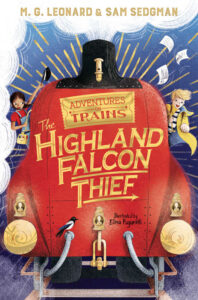
A full-steam-ahead adventure that had me hooked from the get-go. The Highland Falcon Thief is a middle-grade mystery story set on a steam train. With a high spirit of adventuring and a good and proper mystery that unfolds with clues and red herrings along the course, this is a brilliantly fun story that is sure to be on track to find itself set among the very best in the children’s mystery genre.

Harrison Beck (Hal) ends up aboard the last-ever journey of a famous royal steam train, ‘The Highland Falcon’, unwillingly accompanying his travel-writer uncle. Hal doesn’t think much of steam trains, and he is even less impressed when he finds there are no other child passengers on board and no electricity to charge his devices. Before long, Hal finds himself caught up in entertainment of a more old-fashioned kind. A mystery begins to unravel among the passengers and what’s more, Hal befriends a secret stowaway girl called Lenny and the pair set to work to solve the mystery before The Highland Falcon reaches the end of its last-ever journey.

It’s a full-throttle mystery with likeable characters and a well-paced plot that is especially full of treasures for anyone who loves trains. Even those who are not particularly into trains – like myself – will enjoy the feeling of being immersed in the world of locomotions, and the joy of being on board one comes across with great passion. Highly recommended!

Chapter book

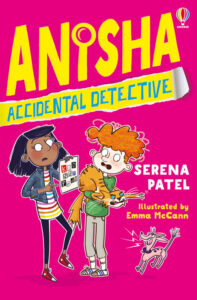
This is a delightful book celebrating family and friendships and is part of a very popular series. Anisha is a funny and resourceful character, whose love of STEM and eye for detail makes her the perfect detective in this humorous series of mysteries.  Anisha has an extended family that proves to be strong and supportive when things go wrong. There are authentic cultural references exploring Anisha’s Indian heritage, particularly around food and family.

The illustrations by Emma McCann help to reflect the humour in the story and the text is often broken up with lists and diagrams, making the book particularly appealing to children who may be daunted when faced with full pages of text. 

Shorter Reads for Year 4

Chapter book Dyslexia-friendly

Jasbinder Bilan’s books are always so lovely and heartwarming. They also have a powerful message within the pages, and this short and accessible animal story is no exception.

Puloma lives with her aunt and uncle after being orphaned. She isn’t treated very kindly, so she runs away. Joining the circus seems the perfect solution. Their encounters Nyla, a sloth bear who is forced to dance and is mistreated. Puloma escapes with Nyla in search of safety.

Puloma is a wonderful character. Lonely at first, she soon shows her brave, strong morals. She knows the way Nyla is treated is wrong. The story is well written and touches on the world of animal cruelty. There is a section at the back explaining India’s sloth bear protection and conservation projects. This book is also dyslexia-friendly.

Chapter book Dyslexia-friendly

Bertie and the Alien Chicken by Jenny Pearson is a fast-paced, laugh-out-loud novel that is perfect for engaging KS2 readers.

Bursting with humour and heart, the story follows a child’s wildly imaginative adventure involving a very suspicious chicken, blending everyday family life with outrageous fun. Pearson’s distinctive voice keeps readers hooked while also delivering a warm, emotionally grounded story. Beneath the comedy, the book explores themes of family, belonging, grief and resilience in a sensitive and age-appropriate way.

The accessible language and short chapters support reluctant readers while still offering depth for more confident ones. This is an excellent choice for the classroom: funny, heartfelt and meaningful!

Chapter book Dyslexia-friendly

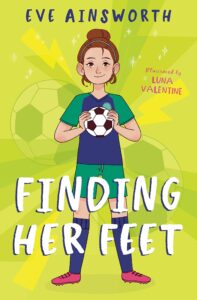
Lily has always felt she’s on the edge. On the edge of friendship groups and the edge of her own life, looking in. Until one day a teacher inspires her to join the local girls’ football team. Lily usually finds school difficult because she’s shy and anxious, but now begins to find her feet, quite literally, playing football. Her confidence soars, and finally she feels she’s part of a team. Despite a teammate and her inner demons putting her progress in jeopardy, she overcomes the mental challenges and succeeds.

This is a fantastic and well-crafted book. I especially enjoyed the history of women’s football, which was referred to after each chapter. Each chapter had a subchapter on icons of women’s football as well as the journey women have had to go through to be taken more seriously, but not yet as seriously as men, on the pitch.

This inspiring book is accessible from age 7 upwards, written in a dyslexia-friendly format with easy vocabulary for all to comprehend. This is a book to be read independently or with their families and one that will inspire future footballers, whether girls or boys, for a long time to come.

Chapter book Dyslexia-friendly
Constantly in trouble at school with little encouragement at home, Lacey’s future looks bleak until she discovers a love of music in this compelling tale by bestseller Helen Rutter.Lacey's smart tongue and quick temper are constantly getting her confined to isolation at school. But there’s a lot more to her that most people never see, and when Lacey gets sent to lunch-time music lessons to keep her out of trouble, she discovers a love and talent for the piano that opens up a whole new world for her.Just as she’s really beginning to make progress, her music teacher has to leave, which throws Lacey back into turmoil. Will she go back to her self-destructive ways or will music offer her a way to save her from herself?

Thought-Provoking Stories for Year 4

Chapter book

This is a tale of love, loss and identity. It has magical sparkles of light and humour amongst the serious themes of depression and separation. The Snowman Code is a book about kindness. It may be set in the longest, coldest of winters, but it is warm and tender and would melt even the iciest of hearts. Share it and enjoy its message of love, kindness and togetherness.

Exciting, strange, magical, adventurous and gripping.

Chapter book

This story from award-winning author Elizabeth Laird is a great choice for KS2.

When young Finn takes a dive in the water near his fishing village, he is delighted to find dolphins to swim with. However, the dolphins face a terrible threat due to the masses of rubbish floating around in their water. It is up to Finn to find a way to save the sea creatures and prevent their natural environment from becoming ruined.

This is a topical and thought-provoking novel with environmental and ocean themes.

Chapter book

This is a truly lovely story with themes of refugees and inclusion, pitched just right to build empathy, promote kindness, and encourage readers to challenge stereotypes and question opinions that may not be based on fact. The story is filled with so much warmth and truth, pitched perfectly for stimulating some really great discussions with youngsters.

Ahmet is a refugee, and is given a previously empty seat at the back of the class when he starts a new school. He is befriended by the narrator of the story. Through the story, we learn about Ahmet’s background and the ups and downs of integrating into a new school. Kindness and friendship triumph, and the story develops empathy and encourages human connection. A good story for KS2 children to read and discuss.


Chapter book

Leo wants to talk, but he can’t. He has all the words, but fear means they won’t come out. When Risha moves in next door, he’s worried that when his new friend finds out his secret, he’ll be left alone again. But when he learns her secret, he hopes to help her and make her a permanent friend,

This book sensitively explains selective mutism for young (and older) readers. Told beautifully over a hot summer, we are let into the world of a young KS2 boy who is often treated as though he’s not there. He wants to participate in school activities and make friends, but anxiety stops him. As the story progresses, we’re taken on a journey as Leo takes steps to achieve his future dream of dancing in The Lion King. However, if his selective mutism stops him from dancing in the summer dance show how can he ever dance on the West End Stage?

As a teacher, this was an excellent read, giving an insight into how pupils with selective mutism might navigate the world around them and giving tips on how you might support a child in your class to give them the same opportunities as others. It would be great for use in PSHE lessons exploring empathy.

Chapter book

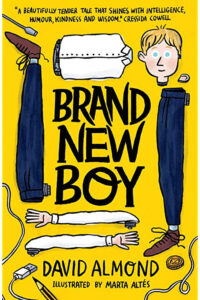
A simple but punch-packing tale from storytelling master David Almond.

When a brand new boy called George starts at school, Daniel and his best friend Maxie are looking forward to getting a chance to enjoy the company of a new classmate. Daniel agrees to keep an eye on the new boy, although he has to admit there are a few unusual things about George. A series of questions without answers begins to unravel – like why George is ushered unwillingly into a black van at the end of the play date, or why the teachers seem to have a weird response to George in class, or why there’s a sudden announcement that George will leave the school. And what exactly is inside that tall box that is wheeled into assembly the following week?

This is an innovative story that weaves themes of compassion, hope and community as well as what it means to be alive. The dignity and compassion with which Daniel and his friends treat George are beautiful. I also loved the characterisation of Daniel’s mum, who is full of love, acceptance and a happy dose of Geordie warmth. The way people have been treated in the family home often naturally affects how they treat strangers, and Daniel is a prime example of this. The dangerous impact of technology on children is touched upon, but so is its potential to enhance human experience when treated sagely, with respect for human experience kept at its heart.

True to style, David Almond weaves a thought-provoking tale with hints of darkness, plenty of hope and pause for reflection on what it means to be alive.


Chapter book

What a brilliant book! Ten-year-old Matilda has decided to build a rocket to travel to the moon and back. This story is jam-packed with facts about what is needed for each stage. From gravity and orbits to fuel calculations, you find out how previous space missions solved each aspect of space travel and the science behind them. And of course, all the key questions about space missions are answered like how do you poop in space?!

Matilda is a brilliant role model for women in STEM – intelligent, sparky and ambitious. Her narrative voice is strong and entertaining.

The mix of science and the history of the Apollo missions makes this book absolutely fascinating, and the illustrations, font styles and chatty style make it an easy read for Key Stage 2.

With brilliant links to STEM subjects, this would be a particularly good addition as a reading-for-pleasure choice alongside the Earth and Space topic in Science. It also shows ambition, resilience and the ability to research and plan before undertaking a task.

Graphic Novels for Year 4

Graphic novel

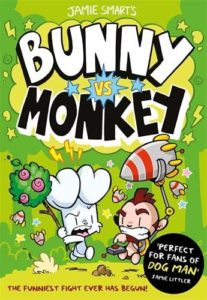
The Bunny Vs Monkey series by Jamie Smart has become a popular favourite with children. The stories started as part of the Phoenix Comic and have now been made into a book series of their own. Teachers are seeing what a big hit these funny graphic novels have been in the classroom and the books have also seen success in bestseller lists and book award shortlists.

The stories follow the wacky tales of Bunny and his friends Weenie the Squirrel, Pig (the pig), Action Beaver and Skunky the Inventor, who all lived a peaceful life in the forest until Monkey’s rocket crash-landed and he decided to take over. What follows is a riot of chaotic adventures and mayhem that unfolds through a funny comic strip format.

If you enjoy this series, check out our list of more books for fans of Bunny vs Monkey.

Graphic novel

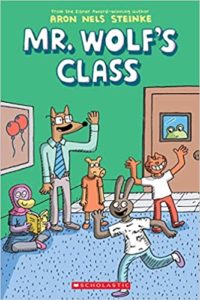
We love this good-natured graphic novel series!

Brand new teacher Mr Wolf starts his first day at Hazelwood school, teaching a Year 5 class. The fun of animal characters in an instantly familiar classroom setting is an instant appeal, with the warmth of the regular routines of the school day coupled with the funny and surprises that crop up in normal classrooms too. Fans of Pamela Butchart’s Wigglesbottom Primary series will enjoy moving on to these school-based tales next.

These comic-style books are warm and humorous, and an enormous hit with children around 7-10. Primary children looking for graphic novels sometimes need to navigate their choices to avoid books originally aimed at older children (because of the publishing history of the format, which was popular with teens before gradually becoming more accessible to a younger audience, much to our delight!).

We highly recommend Mr Wolf’s Class as a safe, enjoyable and entertaining choice for KS2 children.


Poetry Collections for Year 4

Poetry

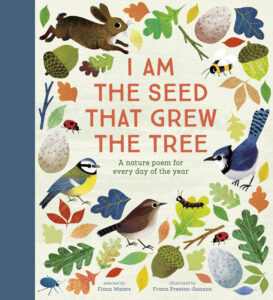
This beautiful poetry anthology that includes a new nature poem for every day of the year is likely to become a primary classroom essential and one that will be valuable for classes learning about plants or seasonal change.

The collection of 366 poems (to make sure leap years are covered too!) contains a really interesting mix of poems from well-known favourites from Christina Rossetti and Walter de la Mare to more modern offerings by Benjamin Zephaniah and Carol Ann Duffy, with each poem reflecting the seasonal changes associated with that day’s position in the year.

The book is structured into monthly sections, and the poems are accompanied by beautiful illustrations that celebrate the beauty of the natural world and changing seasons.

Poetry

On Poetry Street provides 52 poems, one for each week of the year.

The book begins with Brian Moses welcoming readers with a ‘simple test’ for seeing whether they are ‘hooked on words’ and can create poetry for themselves. He then invites readers to ‘walk down poetry street’ with him, introducing them to the spectacular range of poems ahead.

In this collection, the opportunities for writing poetry or engaging children in oracy opportunities are endless. There is so much playfulness and creativity on each page. This collection of poems feels to be written with fun at its centre, while also providing scaffolding for budding poets to write their own. You can see why Brian Moses is one of Britain’s favourite children’s poets. A must for every classroom bookshelf or for a teacher to keep on their desk to read aloud and inject the joy of poetry into the classroom every day.

Picturebooks Year 4

Picturebook

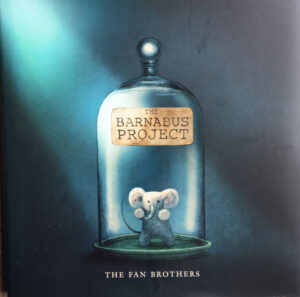
The Barnabus Project is a unique and beguiling picture book that will intrigue KS2 children, with magical illustrations and an original storyline.

Barnabus lives in a lab for genetically engineered pets, but is left hidden away in a jar as a ‘failed project’. He dreams to escape, and calls on an eclectic group of fellow rejects to put his escape plan into action.

If you are familiar with the work of the incredible Fan brothers, you’ll know to except stunning illustrations with details designed to intrigue, delight and challenge. There’s plenty of peril and suspense in the story, and KS2 children will love getting stuck into this ‘older’ picturebook. Ultimately the messages are of teamwork, acceptance and not giving up on dreams – with scope for some deeper discussions about the ethics of genetic engineering and animal captivity, as well as conversations about celebrating difference.

This stunning book is a Key Stage 2 picturebook must-read.


Picturebook

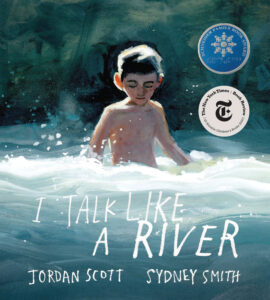
An interesting and evocative picture book, transporting readers to a 1950s Canadian mining town through the eyes of a young boy.

The boy gazes at the sea in the mornings, always aware that his father is working deep below it in the coal mine. This first-person narrative immerses us directly into the boy’s everyday world, steeped in the legacy of a challenging industry.

Sidney Smith’s sweeping illustrations contrast the shimmering seascape with the darkened world of the mine. This visual juxtaposition powerfully highlights the boy’s unspoken future, stirring profound questions about choice as he wonders at his own destiny.

The rhythmic book offers rich opportunities for discussion in Key Stage 2 classrooms about family heritage, community and whether paths are truly inevitable or open to change. A powerful and thought-provoking book.

Non-Fiction Books for Year 4

Non-fiction

‘Into The Volcano’ is an engaging and informative text full of interesting facts for a Key Stage 2 audience. The book supports the National Curriculum objective of understanding the processes that give rise to key physical features of the world – it describes, in a way that the reader will be able to understand, whilst still using ambitious vocabulary, how and where volcanoes are formed, the different types of volcanoes, as well as discussing their positive and negative effects.

We enjoyed the inclusion of myths and legends inspired by real-life volcanoes, details about books and films that feature volcanoes (both real-life and fictional ones); and stories of artists who have chosen volcanoes as their subject.

Throughout the book, there are fascinating ‘Did you know?’ snippets – for example, did you know that scientists believe that the ‘scream heard piercing through nature’ which inspired Edvard Munch’s world-famous painting ‘The Scream’ was in fact the effects of Krakatau exploding?

This volcano-themed children’s book is a fascinating read from start to finish.

Non-fiction

This book is packed with information for budding mountaineers or fans of Geography.

Filled with facts, this book is perfect for class libraries or topic boxes. The beginning of the book features information about mountains, geographical terms, mountain ranges, explorers and the preparation involved before attempting to reach a summit.

The rest of the text concentrates on pages of information dedicated to famous mountains across the world, including Everest, Kilimanjaro and Vinson Massif – which is perfect for in-depth study work. Each section includes facts and details about conquests and climbs, accompanied by a very detailed glossary.

A fact-filled, round-the-world tour of the greatest mountains on Earth that is the perfect read for children and adults alike.

Non-fiction
Why were bridges invented? What did the first bridges look like? How do they stay up and why are there so many different designs? From architecture to engineering (and other STEM subjects!), scale new heights on an enchanting journey with the school children in this book to discover answers to these questions along with other fascinating facts about bridges and how they work. Written and illustrated by Kate Greenaway Medal nominee and STEAM Children’s Book prize winner, Roman Belyaev.
Graphic novel

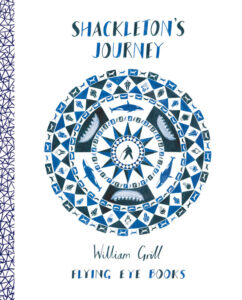
This is a brilliantly visual re-telling of Ernest Shackleton’s adventures from pole to pole, published to celebrate the 100th anniversary of Shackleton’s historic expedition.

This engaging text is filled with diagrams, maps, infographics and fascinating facts that will both delight readers and transport them through an imaginary exploration of frozen worlds.

We recommend Shackleton’s Journey as a good non-fiction text to use for engaging reluctant readers in KS2. There is also an accompanying activity book available from Amazon.

Non-fiction

Anyone fascinated by animals or nature will love this book. The whole premise of the book is to look in detail at animals’ mouths. How do they eat? How do certain animals use their mouths to travel, or call for help? All of the answers can be found inside this book.

The facts are presented straightforwardly so that they can be easily understood by children. The illustrations help bring the information alive. For example, in a section about which animal has the longest tongue, the anteater is depicted, and the termite nest is shown in cross-section to enable the reader to picture clearly how far the tongue goes.

This is a fascinating information book to aid science topics on habitats and adaptation, and one that will be snapped up by the jaws of fact-loving readers in lower KS2.


SAVE 20% with Peters

Visit our booklists on Amazon

Support independent bookshops

Printable Year 4 Booklists

Can I download a printable version of the Year 4 Booklist?

All of our Year Group Recommended Reads lists come with a printable poster and checklist. Schools are very welcome to display the posters or to share the printable resources with their community.

Printable Poster – Best Year 4 Books PDF

y4 best books


Printable Checklist – Best Year 4 Books PDF

y4 best books checklist


Printable Bookmarks – Best Year 4 Books PDF 

year 4 best books bookmark

About the BooksForTopics Year 4 Booklist

Should children be encouraged to read for pleasure in Year 4?

50 best books for y4The growing range of excellent books for this age group makes the task of encouraging reading for pleasure in Year 4 as delightful as it is essential. It is indeed an essential task – as former children’s laureate Cressida Cowell puts it, ‘Decades of research show a reader for pleasure is more likely to be happier, healthier, to do better at school, and to vote – all irrespective of background.

When children choose to read, they gain access to a host of exciting ideas and worlds and this helps to flex the muscles of the imagination, develop empathy and better understand the lives of others, as well as boosting language skills, vocabulary and comprehension.

To facilitate the enjoyment of reading, the provision of a wide choice of books that are age-appropriate, high quality and appealing is key.

What kind of books should Year 4 read?

In Year 4 at the ages of 8 and 9, many children have learned to read short chapter books by themselves and have gained enough experience with books to articulate preferences about styles, themes and formats.

Chapter books with fantasy adventures like The Land of Roar and How to Train Your Dragon are perfect choices for keen readers in Year 4. Readers who are reluctant to get stuck into lengthy chunks of text usually find they enjoy books punctuated with illustrated elements, and series like Anisha: Accidental Detective and Mr Gum are ever-popular choices for Year 4 children too. Year 4 children should also be encouraged to read stories that help them better understand the lives of others, like The Boy at the Back of the Class or The Snowman Code.

It’s best to give Year 4 children a wide choice of different styles of stories, as children at this age are still forming their identities as independent readers. Try to collect a good mix of animal tales, fantasy adventures, funny stories, comic-style books and illustrated chapter books, which are popular at this age. You should also provide non-fiction texts covering topics of interest like science or history, like a dive into Shackleton’s Journey or the classic favourite A Street Through Time.

In addition to a wide choice of independent reads, stories being read aloud by adults continue to be an important – and much-enjoyed – aspect of the reading-for-pleasure journey at this age.

Which are the best books for reading for pleasure in Y4?

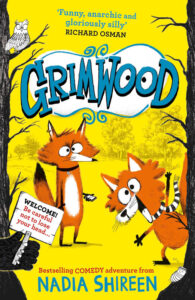
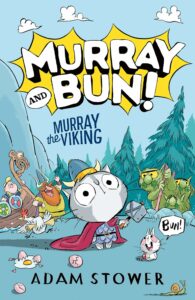
year 4 booksThe books on our Y4 booklist feature 50 recommended reads for pleasure for ages 8-9. Many of the books in the collection are well-known for getting children hooked on reading due to their humorous style and highly illustrated elements, like the comic-style Bunny Vs Monkey books or the interplanetary Bertie and the Alien Chicken. Other stories featured in the Y4 collection have been chosen especially for making children laugh out loud, like the gag-filled Mr Gum or Nadia Shireen’s darkly-humoured Grimwood.

Many children at this age have developed the ability to make connections within a story and spot finer details in the text, and this enables them to enjoy a good mystery story. For a cracking mystery adventure, we recommend the Highland Falcon Thief, the Anisha: Accidental Detective series or, for an interactive, head-scratching mystery that puts the reader in control, try Solve Your Own Mystery: The Monster Maker.

Animal rescue stories also remain popular with Year 4, with Jasbinder Bilan’s exciting adventure Puloma and the Bear or Elizabeth Laird’s poignant tale of the dangers of ocean pollution in Song of the Dolphin Boy being excellent choices. Dragons feature heavily in the Y4 collection too, and readers looking for fantasy adventures will be happy to let their imaginations feed on The Land of Roar or Cressida Cowell’s hugely popular How to Train Your Dragon books.

Not all of the stories on the list are longer reads. For readers looking for shorter texts, try Helen Rutter’s relatable The Piano at the Station or Eve Ainsworth’s football-themed Finding Her Feet. Graphic novels have seen a burst of popularity in Key Stage 2 recently, like the good-natured and entertaining Mr Wolf’s Class. For picture books suitable for Year 4, we recommend the poignant Town is By the Sea or the thought-provoking The Barnabus Project, which is stunningly illustrated by the Fan Brothers.

If you are looking for classic stories suitable for Year 4 to read, you’ll find among the collection some favourites that have been entertaining children for generations, like The Lion, The Witch and the Wardrobe or Dick King Smith’s The Queen’s Nose. Poetry books that are proven hits with Year 4 are well represented in the collection too, and in particular, we love the year’s worth of nature poems in I Am the Seed That Grew the Tree or Brian Moses’ playful, poem-a-week collection, On Poetry Street.

What are the best non-fiction books for Year 4?

When choosing information books for Year 4, look for highly illustrated information texts well structured into chunks of text, on topics of popular interest. Books about science, history or geography are usually a hit with this age group, and there are some stunning large-format non-fiction books available to wow the crowd.

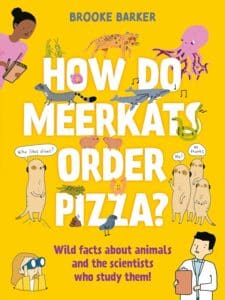
Try an awe-inspiring exploration of Earth’s greatest mountains in At the Top of the World, William Grill’s fascinating illustrated retelling of Shackleton’s Journey, or the comic-style How Do Meerkats Order Pizza?, which is packed with animal facts.

If you are looking for non-fiction books themed around a particular topic, head over to our KS2 topic booklists.

What other booklists for children in Y4 are available?

Booklists for KS2For resources and booklists specially catered to 8 and 9-year-olds, we have a thorough selection here are BooksForTopics. Our lists of children’s books based on popular Year 4 curriculum topics include Ancient Egyptian topic texts, recommended children’s books about the Human Body, and stories about Mountains and Volcanoes. You can also find lists suited to children with a special interest, such as space books for children or stories about football. Browse through the BooksForTopics KS2 topic booklists to explore our extensive collection.

To support the emotional and mental well-being of children in Year 4, we have a range of booklists in our KS2 PSHE collection. Visit our Mental Health Awareness booklist, our list of anti-bullying books, our selection of stories to develop Emotional Literacy, or prepare for the next class move with our booklist for class transitions.

For children’s books showcasing a broader range of characters, cultures, and experiences, our collection of Diverse and Inclusive Books for Lower KS2 is recommended for parents and educators seeking diversity and inclusivity.
At this age, children tend to establish a fondness for a particular series or author. Our Branching Out booklists, featuring a variety of books including stories for fans of Roald Dahl, books similar to David Walliams’ stories, and more books like Tom Gates, are the perfect solution to help parents and teachers discover new story characters that children will adore. Teachers and parents will also find more help to choose storytime read-alouds on our Storytime Favourites for Ages 7-9 booklist. We also have a list of Accelerated Reader Books for Year 4.
Not everyone is suited to longer chapter book stories at this stage of the primary school reading journey, and some children thrive on alternative formats. Check out our Lower KS2 Graphic Novels booklist or our selection of picturebooks for lower KS2. Children in Year 4 who have not yet caught the reading bug may enjoy our booklist for reluctant readers aged 7-9 or our Top-Notch non-fiction booklist, offering more options to appeal to different types of readers.

Advanced Year 4 readers can look ahead with our list of Recommended Reads for Year 5.

Where can I find recommended reading lists for other primary school year groups?

Discover more reading lists for primary year groups here on the BooksForTopics website. Our expert team has carefully selected high-quality books for each primary year group, with input and evaluation from our school-based Review Panel. Schools and parents know that they can trust BooksForTopics as a reliable source for discovering recommended books appropriate for each year group. Each booklist features 50 top-quality books and comes with a printable poster and checklist. Plus, schools can purchase full sets of each year group list through our partners at Peters.

Don’t miss out on our curated selection of books for primary year groups. Here are the quick links:

Purchasing the Year 4 Recommended Reads

Where can I purchase the books on the BooksForTopics Year 4 booklist?

Peters book packs booksfortopics

Booklists you might also like...

Year 4 Booklist: 50 Recommended Reads

Related Resources

[["Printable Y4 Poster","https:\/\/www.booksfortopics.com\/wp-content\/uploads\/50-Best-Books-2025-Poster-Y4-768x543.png","https:\/\/www.booksfortopics.com\/wp-content\/uploads\/50-Best-Books-2025-Poster-Y4.pdf"],["Printable Y4 Checklist","https:\/\/www.booksfortopics.com\/wp-content\/uploads\/2025-Checklist-50-Best-Books-Y4-768x543.png","https:\/\/www.booksfortopics.com\/wp-content\/uploads\/2025-Checklist-50-Best-Books-Y4.pdf"],["Printable Y4 Bookmark","https:\/\/www.booksfortopics.com\/wp-content\/uploads\/2025-Bookmark-Y4-768x2304.png","https:\/\/www.booksfortopics.com\/wp-content\/uploads\/2025-Bookmark-Y4.pdf"],["Purchase Full Y4 BookPack","https:\/\/www.booksfortopics.com\/wp-content\/uploads\/year4-recommended-reads-2025-purchase.png","https:\/\/peters.co.uk\/book-page\/9789990215083"],["Purchase Individual Y4 Books","https:\/\/www.booksfortopics.com\/wp-content\/uploads\/y4-books-2025.png","https:\/\/uk.bookshop.org\/lists\/books-for-year-4-recommended-reads"]]

Subscribe to our newsletter

Your Review

Stone Girl Bone Girl

review

Year group(s) the book is most suitable for:

Year group(s) the book is most suitable for:

Does the book contain anything that teachers would wish to know about before recommending in class (strong language, sensitive topics etc.)?

Does the book contain anything that teachers would wish to know about before recommending in class (strong language, sensitive topics etc.)?

Would you recommend the book for use in primary schools?

yes

Curriculum links (if relevant)

Curriculum links (if relevant)

Any other comments

Any other comments