Recommended children's booklists sorted by age or topic

Home > Year Group Booklists: 50 Recommended Reads > Preschool Booklist: 50 Recommended Reads

Preschool Booklist: 50 Recommended Reads

Icon Award
best books for preschool 2026 2027

Best Books for Preschoolers (Children Aged 3-4)

Newly updated: June 2026

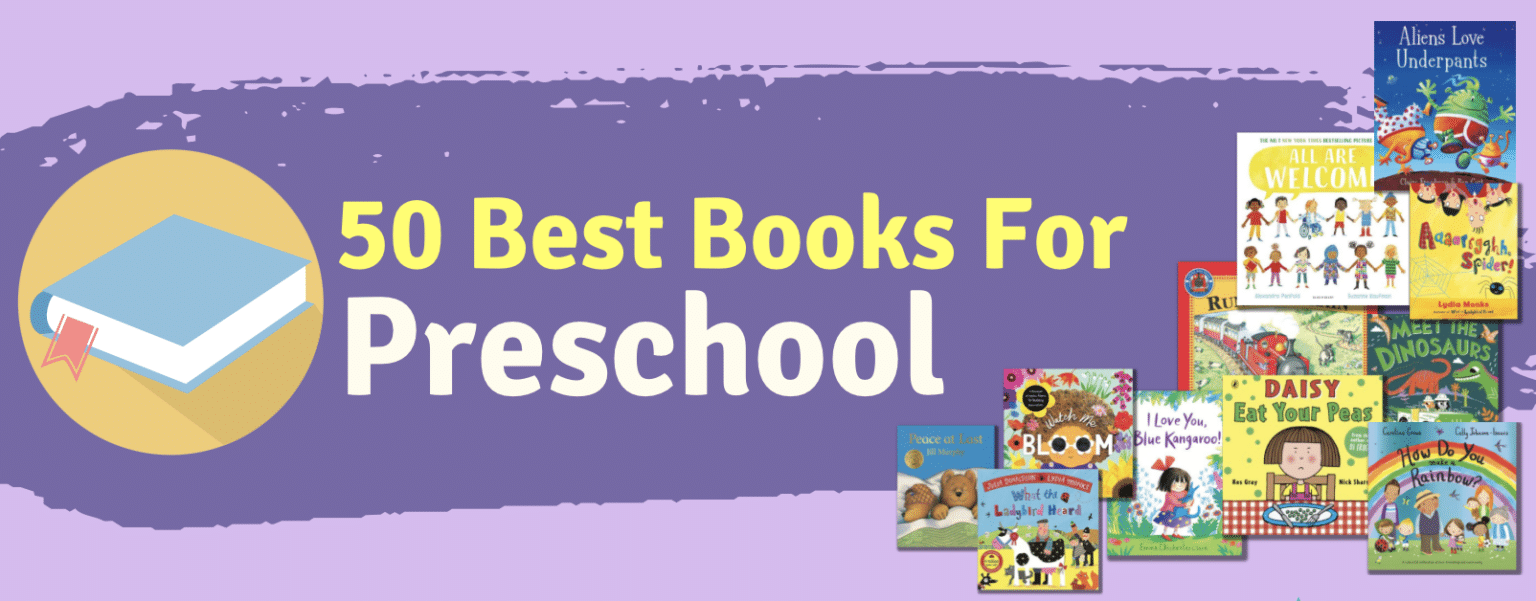
Browse this list of 50 recommended books for preschool children (3- and 4-year-olds). Top up your preschool or nursery book collections with the BooksForTopics hand-picked list of classic stories, laugh-out-loud picture books, animal tales, poetry books, and non-fiction for EYFS children.

preschool best booksParents and teachers know how important it is to encourage a love of reading in children from a young age. Reading with nursery and preschool children not only helps with language development but also encourages imagination and creativity, and it is best to offer a wide variety of books to try.

This booklist includes popular preschool stories such as Owl Babies, Peace at Last and The Tiger Who Came to Tea, as well as some lesser-known storytime delights that we highly recommend, like A Surprise for Snail and Eat Your Peas.

Handpicked by teachers and children’s reading experts, our diverse and varied preschool reading list is designed to help those looking for the best high-quality and age-appropriate books for reading with nursery or preschool children, featuring 50 of the best books for preschoolers available today.

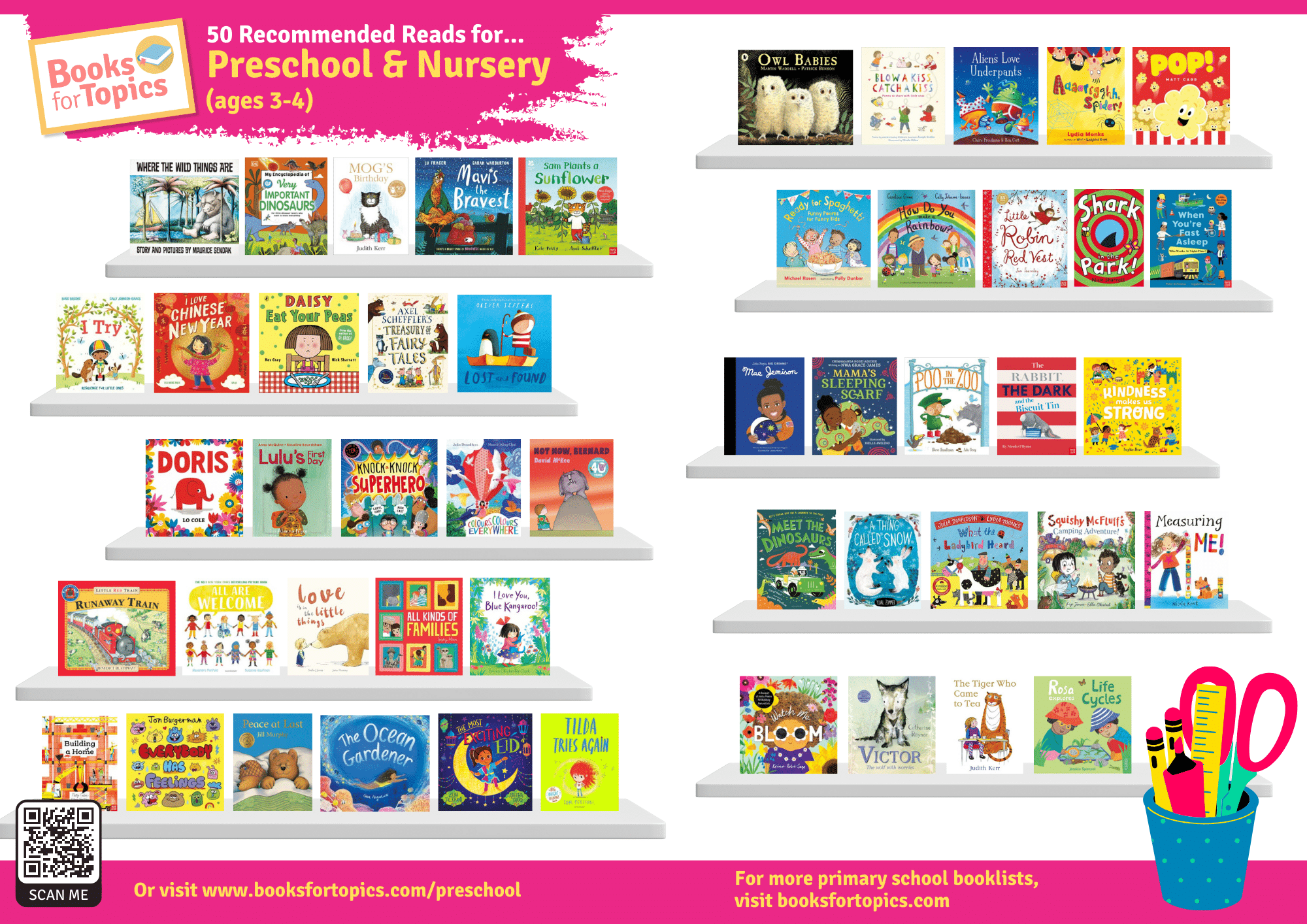
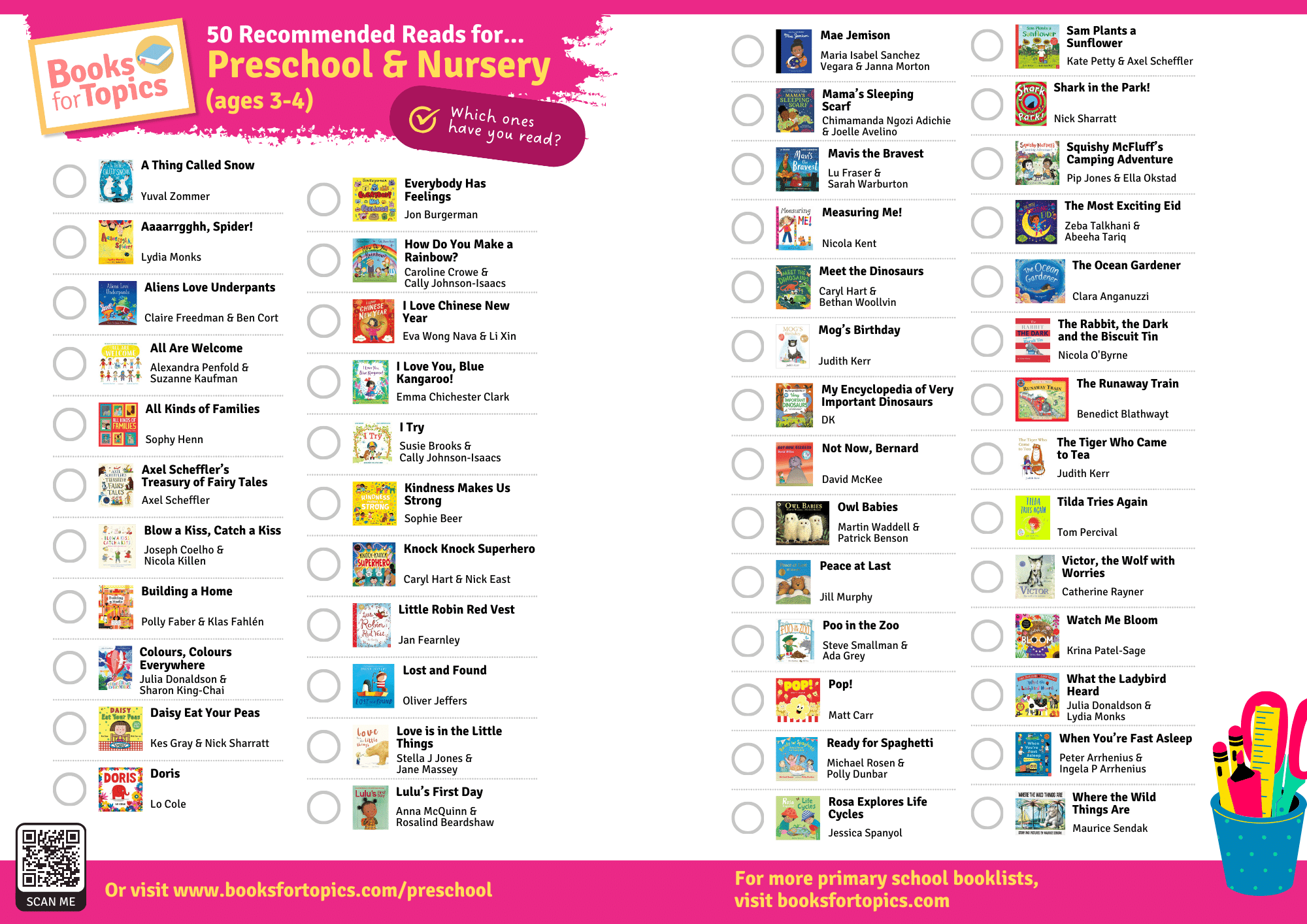
As well as the BooksForTopics preschool booklist below to browse, we’ve also got a printable poster, a downloadable checklist and a handy bookmark for you, and schools can purchase full sets of the 50 books via Peters.

Browse the preschool booklist below or click on each book to find out more. Scroll down to find more purchasing options and printable resources.

Preschool Booklist: 50 Recommended Reads Quick Links

Add to Favourites
Please login to bookmark Close

Visit our booklists on Amazon

Support independent bookshops

SAVE 20% with Peters

Favourite Story Books for Preschoolers

Picturebook

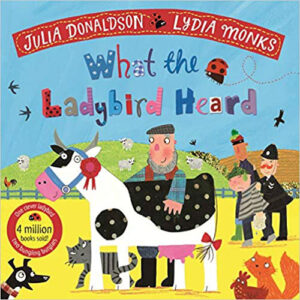
What the Ladybird Heard is a huge favourite amongst preschoolers, parents and teachers. With everything from farm animals and minibeasts to sneaky crooks and fantastic lilting rhymes, this brightly illustrated story from national treasure Julia Donaldson is a clear winner for storytimes in the Early Years.

Young children love joining in the repeated refrains of animal sounds and seeing the plot unfold as the cunning little ladybird saves the day by helping her farmyard friends outsmart two burglars looking to steal the prize cow.

A classroom classic from an author-illustrator dream team.

Picturebook

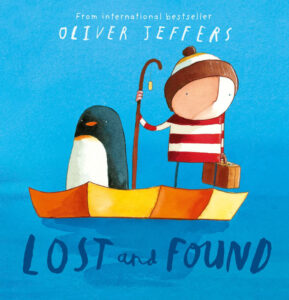
This is the endearing story of a boy and the journey he undertakes to return a lost penguin to its South Pole home. This simple story with beautiful illustrations is a popular choice for children in the preschool years and beyond.

At its heart, the story is about caring for others and going above and beyond to help somebody in need. Children love the penguin character and the warm resolution of this journey-home narrative.

Picturebook

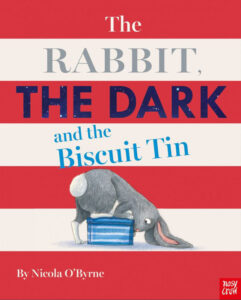
For a read-aloud with the extra wow factor, we recommend The Rabbit, The Dark and the Biscuit Tin, guaranteed to produce ‘oohs’ and ‘aahs’ at storytime.

Any child who has ever tried to prolong bedtime will relate to Rabbit. In a bid to not have to go to bed, Rabbit decides to capture the dark and hide it in a biscuit tin. If it doesn’t get dark, he won’t have to go to sleep! But hiding the dark has knock-on effects, and he hasn’t thought about the nocturnal animals, his body’s need for rest and recovery, or the joy of waking up to a delicious breakfast!

With an impressive fold-out page that we just love, this is one of our go-to story choices for preschool and younger primary children.

Picturebook

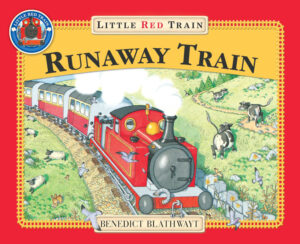
When Duffy Driver leaves the brakes off, the Little Red Train sets off down the track without him! Duffy tries everything he can think of to catch up with the train, with a little help from a tractor, some horses, a boat and a helicopter.

An enjoyable transport-themed story to read over and over again, and preschoolers will enjoy the gently unfolding journey narrative as well as relishing the chance to join in with the train noises and to spot all of the many details on the pages.

Picturebook

A favourite of preschoolers who love to be in on the joke, this is the story of a bear looking for his hat.

This book crops up on every list of favourite bear books, favourite hat books, favourite massive twist books, favourite squashed rabbit books, favourite picture books – all the favourites – and with good reason! Jon Klassen is the master at taking picture book noir and making it palatable and this book is no exception.

It’s a mischievous and brilliant story about a bear trying to find his hat and told completely in dialogue, so get ready with the voices if you are reading this one aloud.


Fun Character Stories for Preschool

Picturebook

Every so often a picture book comes along that captures a childhood trait with beautiful aplomb. This vibrant, wittily illustrated and written story tells of Mabel, a small child who does ‘things’ and every time blames the ‘alligator’.

Interpreting whether the alligator is Mabel’s imaginary naughty friend or actually an alligator causing chaos is a dilemma for the reader, and is eventually cleared up, along with some surprises along the way.

This is a fantastic book, illustrations and text meeting wittily and pithily so that one really won’t suffice without the other. Mabel and her parents’ body language is astute and accessible, the grandmother is drawn as young (a rarity), and the creators have made excellent use of the page. An outstanding picture book about acting out and telling the truth – all with a lot of fun.

Picturebook
One Monday morning, Horace Norton finds that a bear has broken his bicycle! How ever will he get to work? On Tuesday the bus is too busy, on Wednesday a scooter is too small, and when he tries a pair of roller skates on Thursday it doesn't end at all well. Will Mr Norton find the perfect vehicle and finally get to work on time? Packed with vehicular chaos and an accumulative text that begs to be read aloud, this is a future classic in the making.
Picturebooks

I wish I had eight uncles! Jehan Madhani’s colourful and quirky book makes you yearn for a houseful of fantastic role models like these.

Warm, vibrant and joyful, this story celebrates family in a way that feels playful but also meaningful for young readers. Madhani touches on this idea beautifully, presenting each uncle as both a mentor and a source of fun and delight. Eli’s uncles bring different talents to share with him: dancing, singing, cooking, and storytelling. These lively skills are complemented by their wonderfully distinctive beards – soft and woolly, wiry and springy, long and flowing – which add visual charm and help to define their personalities!

The story itself is simple and engaging, making it accessible for younger readers, but its underlying messages of diversity, inclusion and positive masculinity are significant and should not be underestimated. This is a celebration of creativity and care that leaves a lasting impression and oodles of enjoyment.

Picturebook

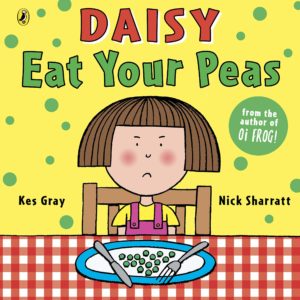
We love the Daisy books by bestselling children’s author Kes Gray! Eat Your Peas is one of the earlier picture books featuring the much-loved character Daisy, who now also stars in her own series of illustrated chapter books too.

This story introduces younger children to the popular character and many readers will relate to the scenario Daisy faces when she finds herself with a plate of peas in front of her at dinnertime. The story features a repeated refrain of “I Don’t Like Peas” – which children love to join in with – and readers will adore the escalating promises Mum makes to try to tempt Daisy to eat her veg.

The close-up illustrations of facial expressions help preschool children to interpret and understand character emotions, and the additional pea-themed details to spot throughout the pages are so much fun too (look out for Mum’s necklace and earrings!).


Picturebook

When seven babies turn up on a doorstep in a cardboard box, a day of quiet mayhem begins. There is a lovely, dry humour to the way the babies take over the daily routine (splashing in the bath and helping with the laundry) while the family looks on in bemusement.

This has the feel of a classic. The minimal text lets children lead the way, hunting for witty clues in the pictures. The babies are joyfully portrayed in the illustrations and their expressions and movement will evoke delight.

This is a charming read-together book that flips the script on who is really in charge. Ending with a question about where the box of babies might land next, it is a great choice for a Preschool book corner and a perfect prompt for getting children talking about families, siblings and domestic routines.


Picturebook

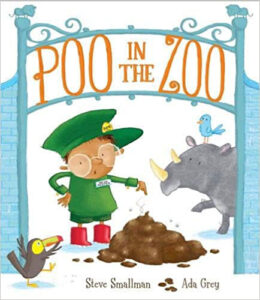
Steve Smallman is the master of funny rhymes for children and as luck would have it, quite a lot of words rhyme with ‘zoo’.

Take a menagerie of animals, a thumpingly fast rhyming verse and a dash of toilet humour and you have the makings of a riotous storytime favourite. As well as the tongue-twisting story filled with funny-sounded onomatopoeia (there’s plenty of plopping and splatting), the book also features themes of keeping the environment clean, animal tracking and caring for wildlife. This book will become an instant favourite with children who love a good giggle at storytime.

Gentle Stories for Preschoolers

Picturebook

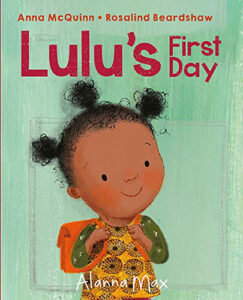
Lulu is going to preschool for the first time. She has visited school before with Mummy, but this time she will go on her own.

She’s excited, but a bit nervous. She gets dressed, packs her bag and makes sure she has her cat Dinah with her. When Lulu gets to school, she quickly settles and makes a friend with Mummy watching close by. When Mummy leaves, Lulu is nervous, but soon finds her way forward on her new adventure.

We highly recommend this starting school book and the whole Lulu series, which gently reassures preschool children about all sorts of relatable scenarios from getting a pet and planting flowers to starting school and shows them how to tackle new challenges head-on.

Picturebook

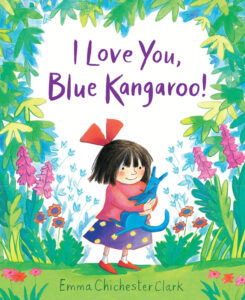
A treasured toy-themed story about a child’s love for their favourite teddy. Lily has always loved her blue kangaroo toy best of all. When she acquires a set of new toys, Lily’s loyalty to Blue Kangaroo is put to the test.

This is a gentle and reassuring story that has been a favourite with Early Years children for decades.

Picturebook

Have you ever lost something and thought it was gone forever, when suddenly it has magically reappeared? If so, that might be the hard work at the Fairy of Lost Things! She is tireless in her work of returning lost things that children lose, whether it be a kite, a bear or a ball.

The Fairy of Lost things always returns the items as soon as she can, until one day when she finds something so pretty that she wants to keep it for herself. Soon, she finds herself so engrossed with the stolen item, that she starts to forget about all of the children who have lost things and the park starts to become cluttered and full of lost things. It is not until she befriends a magpie, that she realises what she must do.

The Fairy of Lost Things is a lovely storybook which explores themes of kindness, honesty and courage. It is full of beautiful illustrations which almost seem to sparkle and show the fairy’s magic. We really enjoyed reading this story and talking about the decision the fairy made.

Picturebook

Told in rhyme, this story of a lost egg looking for its parent features some well-known and some less well-known dinosaurs.

Using bright and bold colours, the pictures fill the pages, and the text font varies according to who is speaking. There is something very tactile about the drawings –  no complex details, just engaging dinosaurs. The lost egg is talking, but the reader cannot see who is inside the egg and so cannot see which type of prehistoric creature’s egg it is. Each dinosaur asks specific questions about what it might look like based on its features (obviously, the Tyrannosaurus is fixated on teeth!).

There is instant appeal in both the gently repetitive rhyming text and the illustrations; even the not-so dinosaur fixated child will enjoy the rhythm in the text and the cheerful, friendly nature of the prehistoric world. The inside covers provide an array of lesser-known dinosaurs, which adults and children will enjoy looking at and learning from together.

Rhyming Books for Preschoolers

Picturebook

Oi Dinosaurs! by Kes Gray and Jim Field brings back the beloved Oi Frog and Friends crew for a hilariously rhyming dino-themed adventure. Frog, Cat, and Dog debate what dinosaurs didn’t sit on, leading to comical scenarios like Pterosaurs avoiding bendy straws. It’s a guaranteed giggle-fest for young dinosaur fans.

It’s hard not to be impressed by and amused at the rhymes in this latest addition to a bestselling series – unlike frogs and dogs, dinosaur names are not the easiest words to rhyme with, after all!

Jim Field’s vibrant illustrations perfectly capture the joyful silliness. This book is ideal for shared reading with little ones, offering laugh-out-loud fun and encouraging a love for language.

Picturebook

The superbly clever, laugh-out-loud rhyming book is sure to be another hit in the classroom. It’s brilliant to have books that make exploring phonics and spelling patterns so much fun. They’re great for reading for pleasure too.

Following on from The Cat and the Rat and the Hat, and The Goat and the Stoat and the Boat, The Bear and the Hare and the Fair cleverly combines phase 5 phonics with hilarious antics. As the title suggests, Hare persuades Bear from the chair in his lair and off they head to the fair. They tempt each other with different rides and seem to have rather different tastes! But do Bear and Hare dare to go on the rollercoaster?!

With hilarious illustrations, joyous rhymes and great onomatopoeia too, this one is lots of fun to read aloud and join in with.

Picturebook

A charming and funny picture book that has been much-loved by preschoolers for over a decade now. It tells the simple story of a determined Mouse trying to oust a very comfortable Bear from his favourite chair. Mouse’s increasingly funny attempts to move the large, oblivious Bear are sure to bring giggles.

The book’s bold illustrations and simple, rhyming text make it perfect for EYFS children. The ending is humorous and children will choose to hear the story again and again.

A five-star delightful storytime read, making it a wonderful addition to any preschool bookshelf.

Picturebook

Gus the Goat wants to play and his friend Mavis Mole is happy to agree. There’s one problem – what shall they play? Whack-a-moley? Crack-a-moley? Quack-a-moley or Stack-a-moley? Unfortunately, all Gus’s outlandish ideas aren’t so much fun for Mavis. But then Mavis retaliates with her own outrageous ideas that aren’t so much fun for Gus. After a lot of false starts, they finally settle for something much calmer and their friendship is saved.

Vividly funny illustrations and rip-roaring rhyming sequences bring this story to life. The story is all about consideration for others and finding compromise, but the story provides oodles of fun along the way.

If you read it aloud more than once, encourage joining in with the silliest bits. There’s stacks of slapstick humour and lots of cheerful wordplay with rhymes and puns, re-enforcing phonemic awareness through the laughter, which makes this a great choice for a rumbustious EYFS storytime.

Inclusive Books for EYFS

Picturebook
For fans of Jon Klassen, this sensitive and impactful picture book from award-winning author-illustrator Christian Robinson is all about seeing the world from different points of view, and the perfect entry point for parents to help teach their little people about empathy and community. In this bright and beautiful picture book, many different perspectives around the world are deftly and empathetically explored - from a pair of bird-watchers to the pigeons they're feeding, from the hugest dinosaur to the tiniest fly. Young readers will be drawn into the luminous illustrations inviting them to engage with the world in a new way and see how everyone is connected and that everyone matters.
Picturebook
It is Mother's Day tomorrow and the shops are sparkling with lights and gifts, with people, laughter and excitement - looking for the perfect gift to bring a smile of joy to mums at home. Among the candles and balloons, the orchids and chocolate hearts, one young girl searches for a card that features a mum who looks like hers. Her mum has gold bangles that jingle-jangle when she washes the curry pots. Her mum wears silk kameez when she buys papaya at the market. Her mum has dark eyes that flash when she dances the bhangra. What will the little girl do if she can't find a card with a mum who looks like hers?A lively, inclusive picture book about identity and belonging that joyfully celebrates mums and motherhood.
Picturebook

Bessie is an active and busy preschooler with ADHD who loves being outside and keeping her buzzy bees busy. This is easy for her to do when she is at home and in her garden with her Granny, her bees explore the flowers, loop the loop and find adventures.

However, when it is time for Bessie to start nursery, her bees find it hard as they do not know what to do. They interrupt games, knock down block towers and stop Bessie and her new friends from listening to the new story. Bessie does not know what to do with her bees and thinks they do not belong at the nursery, but she wants to stay. With the help of Granny, Bessie needs to find a way to share her bees and manage them at the nursery so everyone has a lovely time.

This beautifully written story encapsulates the journey of a neurodivergent child learning to manage their wiggles (bees) within a nursery setting and learning how to manage new routines and make new friends.

Picturebook

Shane loves his rice and peas, and it does look enticing, steaming hot with its scent wafting into his living room, and the most ultra-super-duper litany of adjectives to describe it. What’s wonderful is the careful insertion of family heritage – a recipe passed down through generations, with its own secret ingredient of pimento seeds. The illustrations take us from Shane’s domestic life, complete with notices on the fridge and a stash of tinned tomatoes behind proud mum, to his visions of grandiosity after eating the best rice in the world.

Until lunchtime at school, and Yinka’s claim that her Jollof rice is the best and the pair embark upon a stand off. But that’s not it. In this ultimate battle of food, everyone joins in, proclaiming their own rice is best – risotto, paella, pilau and more. The resolution, of course, is a tasting and sharing, but there’s also a beautiful little twist.

An absolute zinger of a picture book, vibrantly showing that food and culture and heritage is diverse, and is to be shared and celebrated.

Classic Books for Early Years

Picturebook

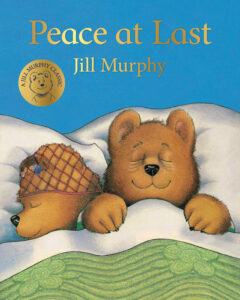
Jill Murphy’s Peace at Last is an absolute classic story book for children in the Early Years, and has been adored by young readers for decades.

Mr Bear is trying his best to get to sleep, but a host of annoying noises keep disturbing him. From ticking clocks to snoring and dripping taps, the noises of the house disturb him enough to send him on a quest for a more peaceful place to get some slumber.

Children love joining in with the repeated refrain and making the different noises of the house.

Picturebook

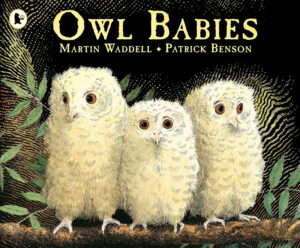
Owl Babies is a classic book for preschool that has been entertaining children for generations. A favourite preschool choice in both classrooms and homes, Owl Babies is the story of three baby owls – Sarah, Percy and Bill – who awaken from their daytime sleep to find that mother owl is missing. As the baby owls huddle together on their branch to wait, the night gets darker and the noises get scarier. Will mummy come back soon? This is a beautiful storytime favourite with a cosy ending, and one that anyone who has ever longed for a parent to return will immediately relate to.

Picturebook

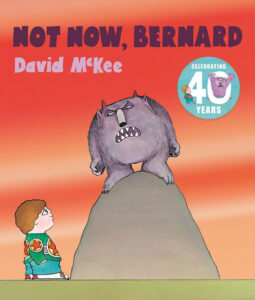
This storybook by Elmer creator David Mckee is a true classic.

Ignored by his preoccupied Mum and Dad, young Bernard attempts to gain his parents’ attention when a monster appears. Even the monster can’t make Bernard’s parents notice what is happening.

A simple story with multiple layers of meaning, Not Now Bernard is both funny and poignant, and is as much of a must-read for children today as it was when first published in the 80s.

Picturebook

The classic picture book The Tiger Who Came to Tea has brought joy to children and adults for over 50 years.  Author Judith Kerr is said to have written the book based on a bedtime story that she made up for her young daughters.

Sophie is all set for a quiet afternoon with her Mummy. The doorbell rings, and to her surprise there at the door is a big, stripey, furry tiger. The loveable tiger is welcomed in and wreaks a small amount of chaos, eating the food and drinking everything in sight.

The sheer joy of the afternoon tea with the tiger makes for a delightful story and is a crowd-pleasing storytime favourite for preschoolers.

Picturebook

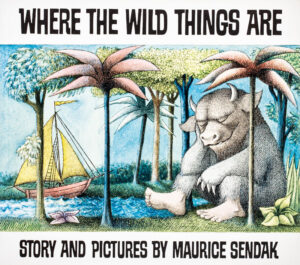
In this gorgeous picture book, first published in 1963, we go on a journey with Max, who’s been sent to his room for chasing the dog with a fork, and being an all-round wild thing. But somehow his room becomes a forest, and when he travels across the sea by boat he finds more Wild Things and becomes their king.

This book is such a classic and, as such, means so many different things to so many different people. At its heart, it teaches a young child that it’s OK to feel angry; it’s OK to take some time out. Your family will still love you. They’ll still be waiting for you when you come back. When Max stomps off to visit the wild things, he’s angry and frustrated. He’s so mad that he sails off “through night and day and in and out of weeks and almost over a year”. When he calms down, he realises he misses home and, to the disappointment of his new Kingdom, he heads back to his bedroom where his “still hot” supper is waiting for him.

This much-loved story is the embodiment of an emotion, and those powerful final lines – the release of them – are iconic in children’s literature.


Stories About Feelings for EYFS

Picturebook

This is a refreshing, positive picture book about loss and change.

It tells the story of Shingai and his mother, who are both struggling to cope with the departure of his father. It’s not spelt out whether the father has left or has died – the lessons could be equally applicable to either scenario. As Shingai’s destructive behaviour gets progressively worse, eventually his mother joins in, which leaves Shingai confused. This eventually leads him to the understanding that they both still have each other and they both consider what two people can enjoy and accomplish together.

Powerfully, Shingai only makes the breakthrough he needs to adapt to the changes in his life after his mother acknowledges and expresses her own grief and loss.

This is a lovely book for sharing in difficult circumstances. The illustrations are bright and appealing and the overall message is of hope and new beginnings.

Picturebook

This rhythmic story offers a reassuring take on handling shyness.

When a party becomes too much for Hideysaurus, she hides! There is a gentleness and empathy to the pacing of this tale that feels perfect for preschoolers, providing a comforting choice for any child finding crowds or a new school a bit daunting.

With bright and gentle illustrations and fun characters that capture real emotions, this is a lovely addition to the EYFS book corner that encourages connection and understanding. By focusing on small steps rather than forced bravery, it serves as a warm prompt for chatting about big feelings at a child’s own speed.

Picturebook
It’s a wonderfully sunny Spring day but Bear has woken up to find a storm cloud hanging above his head and he just can’t get rid of it. Can his friends help him to find his way through the storm to discover the brightest of rainbows? A beautiful, life-affirming and hopeful story about sitting with sadness, the power of friendship, and learning that the brightest rainbows always come after a storm.
Picturebook
A beautifully lyrical and empowering picture book about the importance of dreaming big, from award-winning author Manjeet Mann and the exceptionally talented debut illustrator, Amanda Quartey. In Small’s world, everything is small – her shoes, her bed, everything. But her dreams are big. And Small discovers that when you dream big, anything – and everything – can happen. Small’s Big Dream is the first picture book from Manjeet Mann, with artwork by exciting debut illustrator Amanda Quartey.

Understanding the World Stories for Preschoolers

Picturebook

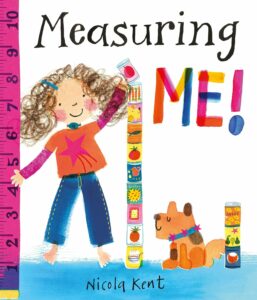
The book is perfect for an Early Years classroom library or would support an All About Me topic, linking with Knowledge and Understanding of the world (Science) and Maths.

The story introduces children to concepts for different types of non-standard measurement, facts about the five senses and interesting information about the human body related to measurement, for example, the smallest and largest bones in the body. The height chart at the back was a bonus and is also full of facts, which, when put on the wall, facilitated a lot of comparative language conversations in the classroom between children about their height.

The diverse illustrations include a child with a walking frame, a girl with a head scarf and a child with a tracheostomy collar. The number of opportunities to be curious is maximised in this book- a book that we will come back to again and again for sure!

Picturebook

The Twirly Wiggly Dance invites the reader to share in the traditions associated with a Muslim wedding through the eyes of a small child called Intisar. She has been asked to be a part of a big group dance at the Walima, the final part of the wedding ceremony, a celebration party!

Intisar worries about getting the dance right, and this thread runs through the story as Intisar learns about each aspect of the celebration until the evening of the Walima, where Intisar has to decide whether to perform or watch the dance.

The story beautifully describes Muslim wedding traditions, and there is a short chapter at the end of the story which explains a little more about each tradition, relating it to the story itself.

The book would be perfect as part of a PSHE or RE topic around special times. It would also be a great resource to open up conversations around feeling worried or nervous about doing something new; Intisar overcomes her worries and inspires others to dance as a result!

Picturebook

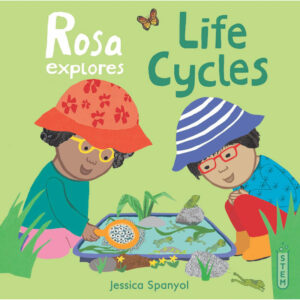
We highly recommend this STEM-themed series from inclusive publisher Child’s Play.

In Rosa Explores Life Cycles, Rosa and her friends discover frogspawn and find out about what happens in the life cycle of a frog. The book doesn’t shy away from technical vocabulary, and young children will encounter words like amphibians, larva, gils, embryo and metamorphosis  – all explained by the children on their scientific learning quest in a narrative non-fiction style. The format is a board book with colourful illustrations, appealing to younger children but actually putting a vast amount of learning into little hands.

We like the diverse cast of characters, the matter-of-fact tone and the discovery-based approach to learning the story celebrates.

Picturebook

With a rummage through the dressing-up box and a change of glasses, Seren feels ready for anything!

This playful story follows a full week of careers, where she spends each day as someone new based on different pairs of glasses. From a scientist and a ski instructor to a rock star and a secret spy, Seren’s imagination soars.

This book will be enjoyed by children who like dressing up, and it’s also great to see glasses celebrated in a children’s book. It’s a brilliant find for a Preschool corner, especially for teaching the days of the week or starting conversations about future jobs.  This is a fun, lighthearted celebration of how a bit of imagination can turn a simple accessory into a whole day of play.

Playful Poems and Join-in Rhymes

Poetry

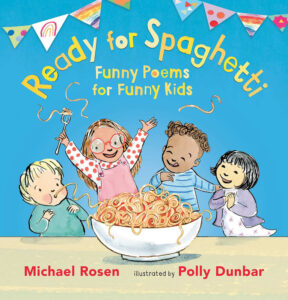
Michael Rosen is a master of the word. He is a master of rhythm and rhyme and a master of the engagement of young children. This book is full of poems specifically aimed at the youngest children. It recognises that enabling children to hear and feel words in an enjoyable and engaging way, is not just a foundational skill for learning to read and write, but a fundamental entitlement for all children to be able to be introduced to the joy of playing with words.

The poems and rhymes follow the loose structure of a child’s day from the rhyme “Up” at the start to “Goodnight” at the end. In between come rhymes that can accompany all sorts of activities, such as “On the swings” and feelings, like the rhyme “Happy”. The rhymes are simple and easily recalled, but the joy for the child will also be in the illustrations by Polly Dunbar. Pictures of children illustrate each rhyme – my particular favourite is the illustration of the child ‘putting on’ her pyjamas to accompany the rhyme, “Jimmy Jams”.

Children will quickly know their favourites and, in no time, will be reading along with the adult.

Picturebook

A classic in the making, this is an inspired book by father and son team Daniel and Finn Ojari (aged 8!). The pair came up with the idea when doodling together at the kitchen table, and noticing the remarkable similarities between objects – a plum and a hippos bum for example! The result is a laugh-out-loud funny, joyous reading experience for younger children, full of simple but gorgeous artwork. A cut out hole in a page reveals part of a drawing, making the reader think they see one thing, but turn the page and the whole object is revealed to be something entirely different!

The call and response structure of the book encourages reader participation, and young children will be unable to resist the challenge of guessing what the hidden image could be in each scenario. Each call rhymes with its response, cleverly and subtly engaging children’s language skills along with their powers of observation.

It’s a brilliant book – an irresistible concept, funny and beautifully presented. This absolutely deserves a place on every nursery and reception bookshelf!

Picturebook

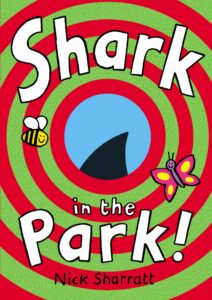
This is the ultimate rhyming story book for preschool, by the much-loved illustrator Nick Sharratt.

Timothy Pope heads to the park with his telescope, but when he looks down it and is sure he sees a shark, we soon learn that things are not always as they seem! There are flaps and die-cut holes to explore, making this a memorable interactive story choice.

The repeated refrains of Timothy Pope, Timothy Pope, what can you see through your telescope? and ‘Is there a shark in the park?’ are remarkably catchy and will quickly have children joining in. A really fun must-read book for EYFS children!


Animal Stories for Preschool

Picturebook

This colourful and high energy read-aloud is so much fun for early years children to enjoy, and dog-lovers especially will enjoy its playfulness.

The story follows a series of dogs, from tiny Agnes the Chihuahua to scruffy Shelby, each hoping to claim the title of the biggest dog in the book. It’s a lot of fun watching the dogs get bigger and bigger as the pages turn.

The repetitive ‘he is not the biggest dog’ refrain is perfect for shared readings, as children will quickly join in with the storytelling.

With its vibrant illustrations and a fun fold-out flap at the end, this is a joyful celebration of dogs of all shapes and sizes.

Picturebook
A charming story about friendship and optimism from internationally bestselling author-illustrator Petr Horacek. It's Snail's birthday, and he wants to do something special. He's always dreamed of seeing the sunset over the sea - but it's a long way to go. Can his friends help make his dreams come true? A charming and vibrantly illustrated picture book perfect for sharing with young children, from the internationally acclaimed author-illustrator Petr Horacek.
Picturebook

Julia Donaldson has done it again with Follow the Swallow. The story follows Chack (the blackbird) and Apollo (the swallow)’s friendship over the miles. Chack can’t imagine how far Apollo will fly, and Apollo can’t understand the seasonal changes Chack will go through, both in himself and the world around him.

Children love the ‘I don’t believe you!’ repeated refrain as the birds compare their different worlds, which runs through the first part of the book until Apollo leaves for Africa and Chack watches the berries emerge and transform the trees.

The second part of the story follows Chack’s attempt to get a message to his friend (‘Come to the tree!’), but Apollo has already left for Africa. An increasingly funny series of animals mangle Chack’s message until it finally reaches Apollo, who is just about ready to come back to the North for summer. The big reveal of the correct message and of what’s happened with Chack in the meantime is hugely satisfying and the joy in Chack and Apollo’s faces when they meet again is just lovely.

Books for Preschoolers About Changing the World

Picturebook

Maryam and Issa live at the edge of the Sahara Desert in Mali, Africa. One day, they go on an outing with their parents, but this is no ordinary outing. At the edge of the hot, dry desert, people are creating something, something big, something special . . . something green!

In the words of their Uncle Cedric, they’re creating a ‘future’; a better future for the birds, for the bees, for everyone. They are creating a better future, one plant at a time, with adults and children working side by side planting plants across Africa to create a ‘Great Green Wall’.

This is a growing plants story about a fictional family, but the Green Wall project they’re involved in is real, and there are information pages at the back of the book for anyone who would like to know more about this immense, ecological project to grow a green ‘wall’ across Africa, as well as guidance on how to plant a tree yourself.

A beautiful, simple picture book with a valuable message at its heart, one that will hopefully inspire a new generation to go outside and grow.

Picturebook

A beautiful, gentle picture book with an environmental theme. This story is about Jack, who heads to the countryside for a summer of den building, making model boats and wildlife watching with his Grandad. The peace is short lived, however, when the pair discover a pile of rubbish dumped near their favourite pond. The pair set about to clean it up, and in turn this soon brings together the wider village too.

This is a touching picture book that beautifully captures the intergenerational bond between grandfather and grandson as well as real-world threats to nature. The book offers a clear encouragement to look after the environment, making it a lovely choice for little ones who like to think about the world around them.

Picturebook

Set around an old oak tree, two groups of children find themselves at odds with each other. As cross words stop their play, can the children find a resolution to share their special place and turn strangers into friends again?

This stunning picture book emphasises the importance of imagination, communication, resolutions and forgiveness. A great book for reminding children, of all ages, about outdoor play and social interactions. This could be linked to forest school learning, or playtime and downtime, social skills and imaginative play, which is not focused on as much in society today.

A great book that could be used throughout the primary phase to support imaginative play, social skills, communication skills and resolutions. A heartwarming story about the value of teamwork, second chances and the healing power of a meaningful apology.

Picturebook

What first strikes you about this picture book are the beautiful and unusual illustrations – simple shapes and evocative colours that move from browns to greens, always muted and rich. They conjure a bare and barren landscape that is slowly transformed into a vibrant and plentiful rainforest.

The beginning of the story tells us that “They said I couldn’t change the world” and this hopeful story says to both the girl in the story and to the reader that maybe you might. The little girl explains that in the place she was born there is now just desert, where once there were rivers and trees.

One day she finds a seed and plants the seed in the dried up river bed. Despite the protestations of those around her telling her that the seed will never grow, she continues to protect and nurture the seed until it grows into an amazing fruit tree – and so producing more seeds that can be planted. As the child grows up, she shows that we can never be complacent, as one of the trees is blown down in a storm. Another young child produces a seed and so continues the cycle of care for the forest so that the forest in turn, might care for those that live there.

An beautiful and encouraging book to give depth and something a bit different to your preschool book collection.

First Non-Fiction for Preschoolers

DK
Non-fiction

It’s not easy to find top-quality non-fiction books for the youngest children, especially those children who genuinely love to learn facts but are not ready for dense paragraphs of text.

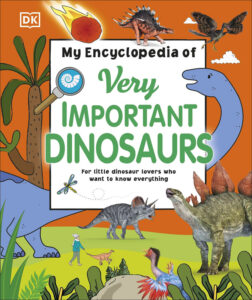
DK’s My Very Important Human Body Encyclopedia is perfect for the job – a fantastic non-fiction guide, making the human body’s complexities fascinating for young readers. It clearly explains everything from bones to brains with accessibility.

Packed with interesting visuals and digestible facts, it hits the spot for young children wanting to learn more about what goes on inside the human body. This superb resource, like the rest of the My Very Important series, helps young children to understand the world around them and enjoy reading early information texts.

Non-fiction

Maria Isabel Sanchez Vegara‘s prolific series Little People, BIG DREAMS is incredibly popular with young readers and school librarians alike. These books bring non-fiction to the youngest primary children, offering insights into the lives and achievements of different people in a simple, illustrated biographical style.

This book explores the life and legacy of Louis Braille, from a childhood accident in his father’s workshop to his move to a specialist school in Paris. Louis spent his teens developing a revolutionary method of tactile reading for those who, like him, had lost their sight.

This inspiring story introduces the concept of braille and demonstrates to children how one person’s ideas can change the world.

Non-fiction

Time to Explore Big Machines follows the journey of a new apartment block being built. It starts with demolishing an old building all the way to the new families moving into the newly built apartment block. Each page introduces a new machine and explains some facts about it and also the important job that it does.

The illustrations are bright and colourful and have some much detail in them. The text is split into little chunks which make it easier to read. There are so many interactive aspects of the book which make it a great read. At the end of the book there is a big double page pullout which shows all of the big machines that you have met during the book.

This book is a great example of a factual book being suitable for the Early Years. A great book for any vehicle loving child!

Non-fiction Picturebook

This is a beautiful and gently empowering book for young children. Then book combines impressive facts about nature while positioning impressive facts about humans right in the centre. Without overcomplicating anything, it tells children, for example, facts about an ocean scene where a huge blue whale leaves a trail of tiny bubbles behind, and let’s readers wonder at the fact that they are bigger than a bubble and smaller than a whale – but just as awe-inducing as both.

The illustrations bring each page to life and the additional facts are subtle on the page and give extra information about the mentioned items. The book shows how comparisons can be a good thing and how truly unique we are.

SAVE 20% with Peters

Visit our booklists on Amazon

Support independent bookshops

Printable Preschool Booklists 

Can I download a printable version of the Preschool Booklist?

All of our Year Group Recommended Reads lists come with a printable poster and checklist! Schools are very welcome to display the posters or to share the printable resources with their community.

Printable Poster – Best Preschool Books PDF

preschool best books


Printable Checklist – Best Preschool Books PDF 

preschool best books checklist


Printable Bookmarks – Best Preschool Books PDF 

preschool best books bookmark


About the BooksForTopics Preschool Booklist

How important is reading in the Early Years?

Sharing books with preschoolers is as important as it is joyful. At this age, books can leave a lasting impression on young imaginations, form a key part of language and literacy development and provide young children with important insights into the world around them and the experiences of others.

Storytime is often a favourite part of the day – whether in the classroom or snuggled up at bedtime – and early positive experiences with books can be the foundations of a lifelong enjoyment of reading.

At the ages of 3 and 4, many children are just beginning to recognise letters and words, and there is no need to pressure children to read books for themselves at this age more than they want to. Providing children with the opportunity to simply enjoy lots of different types of books and stories together with an adult is one of the best ways to give children a head start with their own reading journeys.

preschool reading suggestionsWhat kind of books are good to read with preschoolers?

The best books to read with preschoolers are picturebooks, where the words and pictures work together to create meaning and tell the story.  This helps children to kick start their language development ready for school, gain basic comprehension skills and develop an early enjoyment of books. Give preschool children books with bright and bold illustrations that complement clear storytelling, like Oliver Jeffers’ Lost and Found or Julia Donaldson’s What the Ladybird Heard.

Preschool children also love books with a memorable story. Many people can fondly remember their favourite picturebooks from the early years – and sometimes off by heart! We’ve picked out 50 recommended books for today’s children in the nursery and preschool years (ages 3-4), designed with shared storytimes in mind. From stories with repeated verses to join in with (like Nick Sharratt’s Shark In the Park), to laugh-out-loud favourites (like Poo at the Zoo or Oi Dinosaurs!) to sincere stories about animals and nature (like A Tree for Everyone or the EYFS storytime classic Owl Babies), we’ve got something for all tastes.

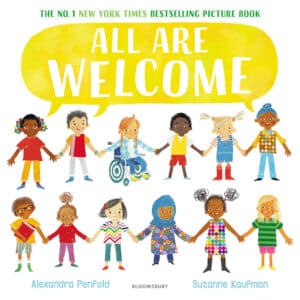
For books about being kind or managing emotions, try The Storm Cloud or All Are Welcome. If stories to prepare children for starting school or making friends are what you’re looking for, try Lulu’s First Day or Bessie’s Bees. For a read-aloud with the extra wow factor, we recommend The Rabbit, The Dark and the Biscuit Tin, guaranteed to produce ‘oohs’ and ‘aahs’ at storytime.

Some of the stories on our booklist are classic books that have been entertaining children for generations, like Now Now Bernard or Jill Murphy’s Peace at Last. Others are newly published, like Forest Xiao’s sweet and funny Seven Babies, and Petr Horacek’s charming story of a snail whose friends help make his dream come true in A Surprise for Snail.

Which are the best non-fiction books for preschoolers?

We’ve also included a selection of non-fiction books suitable for this age group, from Time to Explore Big Machines, to the inspirational story of Louis Braille.

If you are looking for books themed around a particular topic, be sure to check out our EYFS topic booklists.

What other booklists for preschoolers are available?

Booklists for Early Years

If you are looking to expand your reading collection with diverse books for Early Years children, we’ve put together an additional special collection of Diverse and Inclusive Books for EYFS, which has been specially curated to help schools and parents select more diverse books for young children.

If you are looking for more picturebooks that young children will love listening to over and over again, our EYFS Storytime Favourites list will help you to build a quality story collection for children aged 3 to 5.

We know how big the step of preparing to start primary school for the first time can feel to some children, and to help preschoolers prepare for their journey to Reception, we’ve also put together a list of children’s books about starting school.

Many preschool and nursery children become fans of the most popular picturebook characters like Supertato and the Gruffalo, and to help with inspiration to find even more story characters to love, parents and teachers might find our Branching Out booklists useful with Books for Fans of Julia Donaldson and Books for Fans of Supertato.

Be sure to check out our EYFS topic booklists if you are looking for children’s books themed around a particular topic – whether it’s books for an Early Years curriculum theme like Weather & Seasons or Growing Plants or a story to match a special interest for an individual preschooler, like books about Dinosaurs or Superhero books for children.
Where can I find recommended read lists for other primary school year groups?

We can help! Our team of experts at BooksForTopics has poured hours of careful work into curating lists of the best books for each primary year group. Each booklist contains 50 recommended reads and includes a printable poster and checklist. Plus, schools can purchase full sets of each year group list through our partners at Peters.
Here are the quick links to our primary school booklists:

Peters book packs booksfortopics

Purchasing the Preschool Recommended Reads

Where can I purchase the books on the Preschool Booklist?

Booklists you might also like...

Preschool Booklist: 50 Recommended Reads

Related Resources

[["Printable Preschool Poster","https:\/\/www.booksfortopics.com\/wp-content\/uploads\/Printable-Poster-50-Best-Books-2026-27-Preschool--768x543.png","https:\/\/www.booksfortopics.com\/wp-content\/uploads\/Printable-Poster-50-Best-Books-2026-27-Preschool-.pdf"],["Printable Preschool Checklist","https:\/\/www.booksfortopics.com\/wp-content\/uploads\/Checklist-50-Best-Books-2026-27-Preschool-768x543.png","https:\/\/www.booksfortopics.com\/wp-content\/uploads\/Checklist-50-Best-Books-2026-27-Preschool-.pdf"],["Printable Preschool Bookmark","https:\/\/www.booksfortopics.com\/wp-content\/uploads\/2026-Bookmark-Preschool.png","https:\/\/www.booksfortopics.com\/wp-content\/uploads\/2026-Bookmark-Preschool.pdf"],["Purchase Full Preschool Bookpack","https:\/\/www.booksfortopics.com\/wp-content\/uploads\/recommended-reads-preschool-book-pack.png","https:\/\/peters.co.uk\/book-page\/9789990248326"],["Purchase Individual Preschool Books","https:\/\/www.booksfortopics.com\/wp-content\/uploads\/bookshop-2026-27-recommended-reads-preschool.png","https:\/\/uk.bookshop.org\/lists\/preschool-50-recommended-reads-booklist-2026-2027?new-list-page=true"]]

Subscribe to our newsletter

Your Review

Stone Girl Bone Girl

review

Year group(s) the book is most suitable for:

Year group(s) the book is most suitable for:

Does the book contain anything that teachers would wish to know about before recommending in class (strong language, sensitive topics etc.)?

Does the book contain anything that teachers would wish to know about before recommending in class (strong language, sensitive topics etc.)?

Would you recommend the book for use in primary schools?

yes

Curriculum links (if relevant)

Curriculum links (if relevant)

Any other comments

Any other comments