Recommended children's booklists sorted by age or topic

Home > Year Group Booklists: 50 Recommended Reads > Year 2 Booklist: 50 Recommended Reads

Year 2 Booklist: 50 Recommended Reads

Icon Award
best books for year 2 2026 2027

Best Books for Y2 (Children Aged 6-7)

Newly updated: June 2026

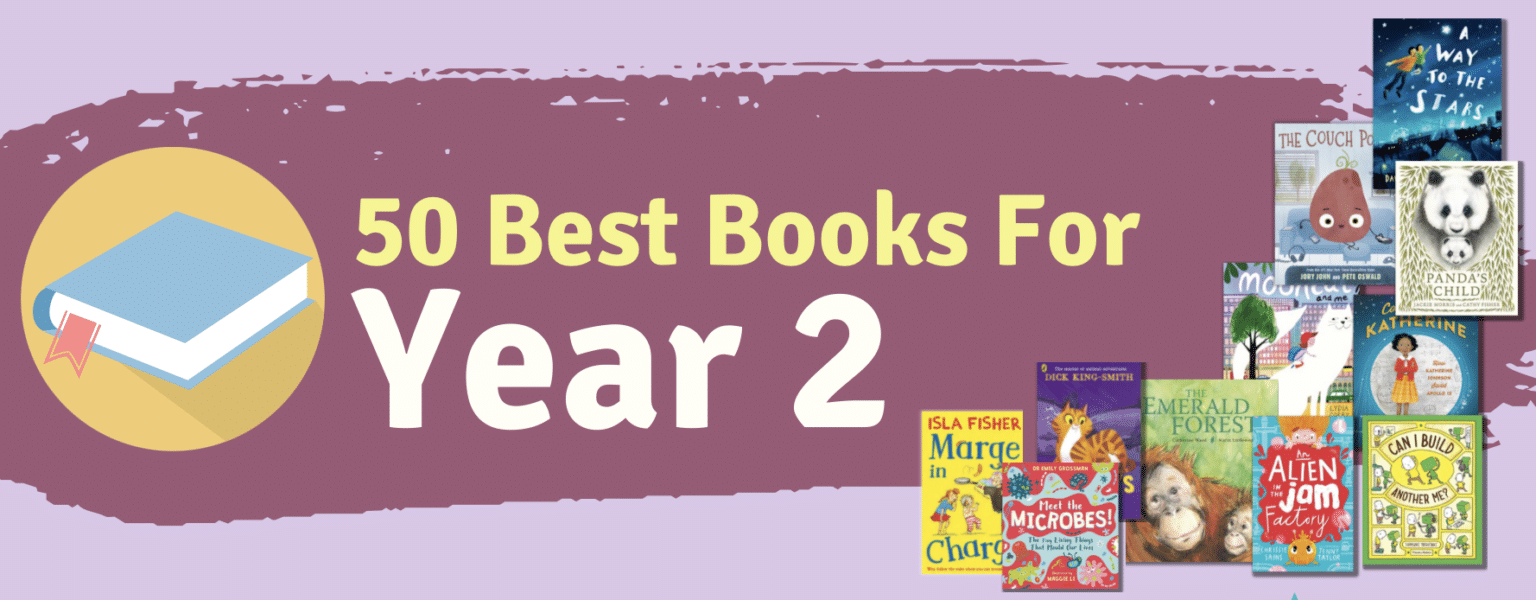
This is the BooksForTopics list of 50 recommended books for Year 2 (children aged six and seven). Use this booklist to find the best books to top up your Y2 reading collections with our selection of storytime picturebooks, chapter books, funny stories, illustrated poetry collections, non-fiction texts and more. Keep an eye out for fish who are a bit… fishy, a bat who thinks he can’t fly, and dancing capybaras along the way…

y2 best booksYear 2 children enjoy reading books featuring adventure, friendship, animals, magic and laugh-out-loud humour – and this specially selected Y2 reading list has got you covered with books that have all been carefully matched to the age, developmental stage and interest level of children in Year 2.

This booklist includes popular Year 2 stories such as Marge in ChargeFlat Stanley and George’s Marvellous Medicine, as well as some lesser-known storytime delights that we recommend for Y2, like Don’t Trust Fish, The Emerald Forest, and Jory John’s hilarious gadget-obsessed spud, The Couch Potato.

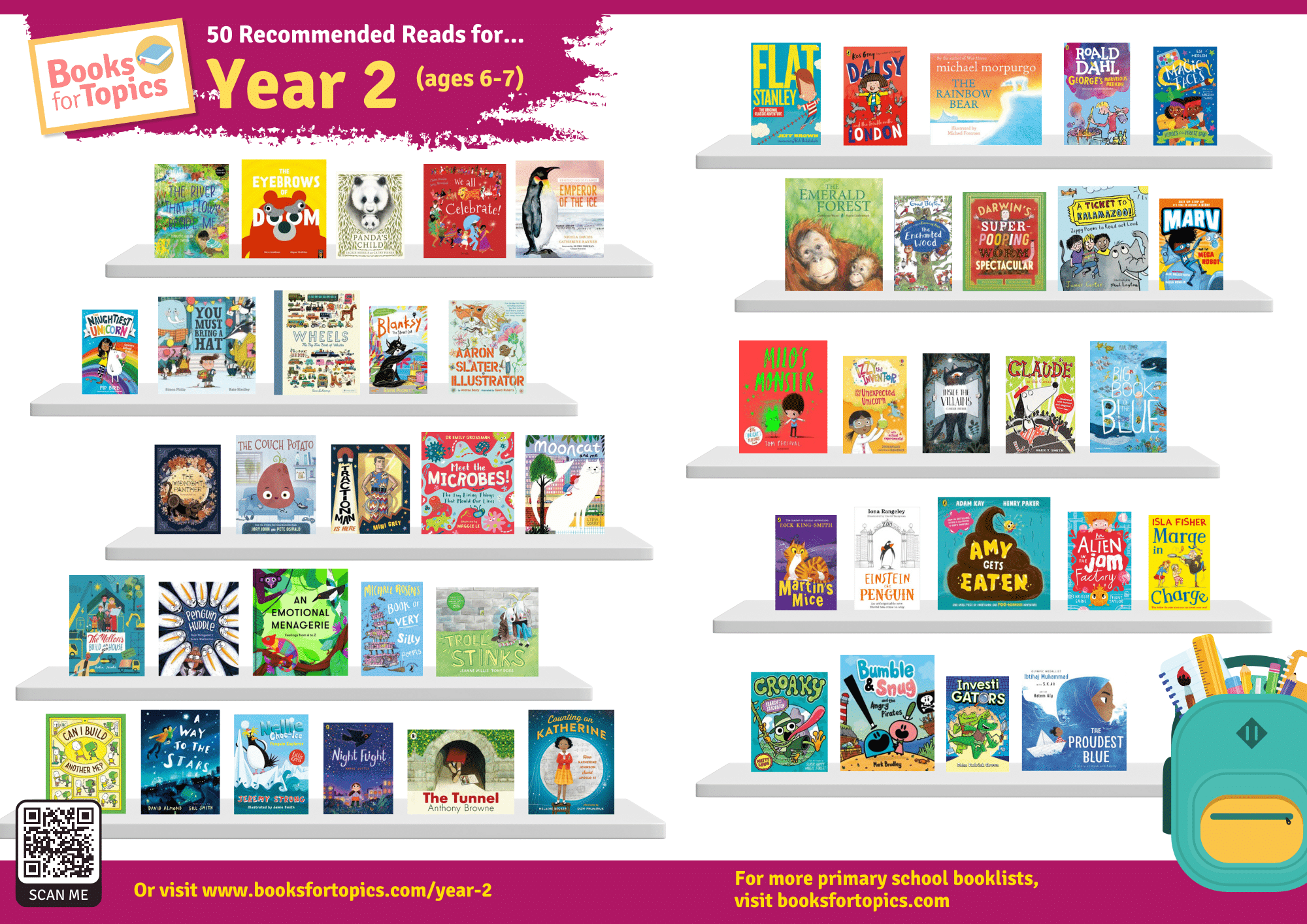
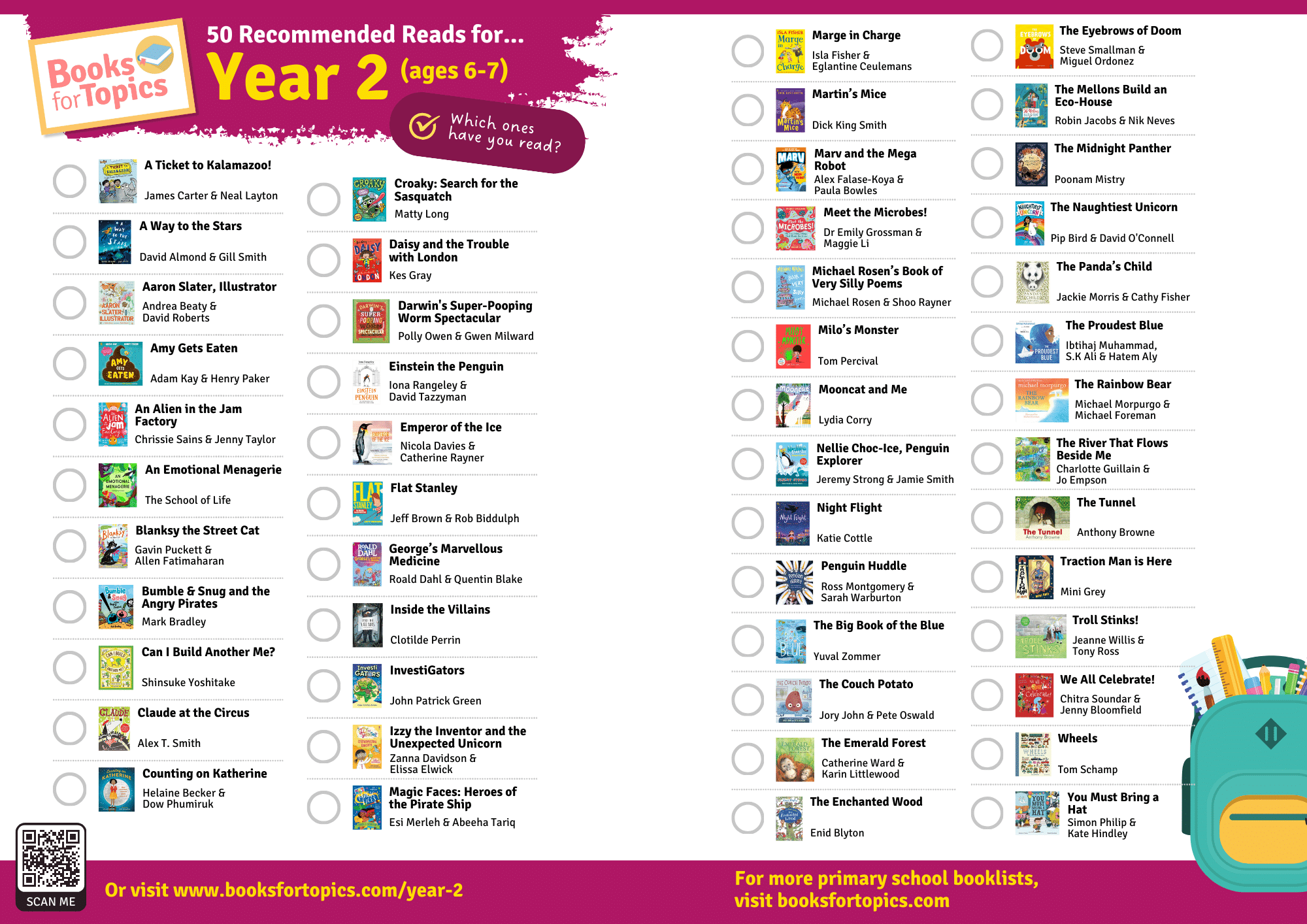
As well as the Year 2 booklist below to browse, we’ve also got a printable poster, a downloadable checklist and a handy bookmark for you, and schools can purchase full sets of all 50 books via Peters.

Browse the Y2 booklist below or scroll down to find more purchasing options and printable resources.

Year 2 Booklist: 50 Recommended Reads Quick Links

Add to Favourites
Please login to bookmark Close

Visit our booklists on Amazon

Support independent bookshops

SAVE 20% with Peters

Favourite Storybooks for Year 2

Picturebook

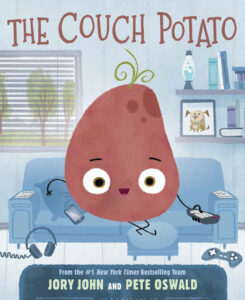
If you’ve ever made a New Year’s resolution to improve your fitness or get outside more, you might just relate to the journey of this hilarious spud.

With everything he needs within arm’s reach of the sofa, this potato has it all – multiple TV screens, hundreds of video games and even a button that activates a snack-fetching gadget. He can’t see any reason at all to leave the couch… until the electricity cuts out. The potato steps foot outside and embarks upon a new-found appreciation of fresh air, exercise and the sounds and sights of the great outdoors. After some deep introspection, the potato sets himself a resolution to achieve a better balance between screentime and time enjoying the outdoor world.

This is a really funny book and is always a winner with children. As well as guaranteeing giggles, this story can provide an opportunity to reflect on healthy lifestyles, screentime limits and personal resolutions.

Picturebook
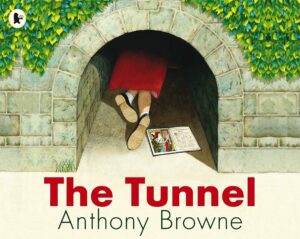
Anthony Browne is at his most brilliant in a new edition of this profound picture book about sibling relations and one that has become a classic Y2 book to study and pore over in the classroom.Once upon a time there lived a brother and sister who were complete opposites and constantly fought and argued. One day they discovered the tunnel. The boy goes through it at once, dismissing his sister's fears. When he doesn't return his sister has to pluck up the courage to go through the tunnel too. She finds her brother in a mysterious forest where he has been turned to stone...
Picturebook

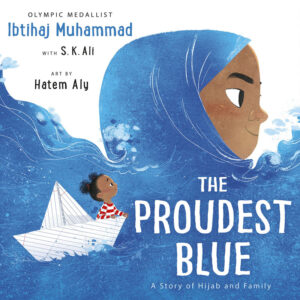
This is an absolutely beautiful book from former Olympic medallist Ibtihaj Muhammad, exploring themes of heritage, diversity, siblings, acceptance and new beginnings.

The story is positive and empowering, and explores the beautiful bond between sisters Faizah and Asiya as they each begin new phases of growing up.  When the time comes for Faizah’s first day at school, she is excited to share the special day with her older sister Asiya, whose first day of wearing hijab it is. Asiya’s hijab is made of a beautiful blue fabric, like the ocean waves or the endless sky. Sadly, not everyone sees hijab in the same light and in the face of ignorant comments, Faizah learns not to hold on to hurtful comments but to find strength in new ways.

A thought-provoking story with a warm and positive message, illustrated in striking blues.

Chapter book

We really love this easy-listening and charmingly funny series!

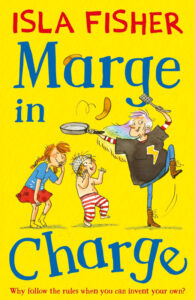
Readers will laugh out loud at well-meaning mischief and misadventure of Marge, the madcap babysitter with rainbow hair. When no grown-ups are around, Marge is in charge and anything can happen!

Highly recommended as a fun read-aloud, each book in this series contains short stories about the funny escapades of seven-year-old Jemima and younger brother Jake when Marge the babysitter is in charge. There is plenty of slapstick and good natured fun to giggle at, and Marge’s outrageous antics make the children feel like she is the one who really needs a babysitter.

Chapter book

This animal story is a great choice for a story time chapter book for Key Stage 1.

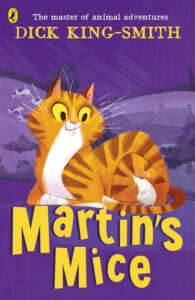
Martin isn’t like the other cats on the farm. Teased by his family for being different, Martin is gentle and caring and does not want to catch and eat mice. When he does catch one, he decides to keep it in an old bathtub as a pet. Martin is determined to care for his captured new friend, named Druscilla, and is surprised to learn of the arrival of a new set of baby mice! When his mice escape, Martin learns a new lesson about freedom, safety, and being true to oneself in the face of opposition.

Readers love rooting for Martin, and Dick King Smith pens the story with just the right ratio of peril, tender moments and funny elements to make this a tale that readers will feel invested in.


Chapter book

This new series from Jennifer Bell is a top recommendation for young readers aged 6-9 who enjoy a mix of mystery, adventure and silliness.

Buck and his rabbit sidekick, Ears, have been dubbed the worst pirates ever! So, they decide a career change is in order. Rebranding themselves as Pirate Detectives, they take on a high-stakes case for the mighty Captain Bloodfang: find the missing mermaid chef, or end up in the ship’s stew pot!

The story is a barrel of laughs. Readers will enjoy the mishaps of the hopeless but harmless crew, from a navigator who won’t swim to a porcupine who adds marshmallow to the end of his quills to protect his friends from being prickled. Sarah Horne’s energetic illustrations perfectly match the good clean humour of the story, making this a brilliant chapter book storytime pick for fun loving adventurers in Year 2 or 3.

Funny Books for Y2

Picturebook

Fish are fishy! Have you ever noticed? This phenomenally tongue-in-cheek picture book starts deadpan and dull, explaining that a mammal is a mammal, a bird a bird – predictable features and characteristics, with staid illustrations. But when it comes to fish, the reader is warned that fish are different. Fish are not to be trusted. And things turn wild.

Sharpson’s deadpan tone makes for a fantastically funny book, allowing the reader to read between the lines. The book lends itself brilliantly to discussions about bias and evaluating what we read by considering the reliability of the source and context, perfect for the modern world in which even young children are confronted with fake news and online prejudice.

Dan Santat complements Sharpson’s text with clever wacky illustrations, from the tube that leads from a domestic fish tank to the sea, to the page that will make younger children think twice before sitting on the toilet, to the nightmarish vision of robot fish towards the end. This is a book that will challenge, while poking enormous fun at the whole endeavour.

A picture book that does not condescend to its audience nor preach any kind of sensible message – other than, obviously, don’t trust fish! Brilliantly funny. To be read again and again.

Picturebook

The Troll is a truly delightful picture book by national treasure Julia Donaldson, and a book that we absolutely love at BooksForTopics HQ.

The story offers a fresh perspective on a familiar grumpy character, adeptly mixing the well-known troll from the traditional Three Billy Goats Gruff tale with a fun pirate story arc. The hungry troll, perpetually stuck with a fish diet and constantly outsmarted by goats, finds his path crossing with a rough-and-tumble crew of equally food-limited pirates.

The genius of this book lies in how these two seemingly separate storylines run in perfect parallel, leading to a wonderfully gleeful conclusion. David Roberts’ quirky, characterful illustrations are full of humour, perfectly complementing Donaldson’s witty, rhyming text.

This is a fantastic KS1 read-aloud that holds a unique charm, making it highly recommended.

Picturebook

The Future Book will have all readers, young and old, bursting with side-splitting laughter. Brimming with neon colours and futuristic illustrations, this book (which has been sent from the future) is pure joy!

The book begins by explaining how things are different in the future, such as the sun and the moon, apples and bananas. People have strange names, and some things don’t have names at all. Confused? You will be! But you won’t be disappointed!

A masterpiece of a short picture book and one which will be enjoyed over and over again for its wit and quirky charm.

Chapter book

Joanna Nadin’s popular series has become a staple for primary children who enjoy a dose of anarchy and relatable humour. This book follows the chaotic, unruly capers of primary school Class 4B.

There are gross bits, funny gags and wild mishaps – and it’s part of a whole series, which will please readers the minute they get hooked into these stories (which they will). It’s perfectly pitched for children who want something fast-paced and funny to keep the momentum going. The chapters are short and accessible.

For children who enjoy the humour of Pamela Butchart or similar classroom-based shenanigans, they’ll love getting stuck into 4B’s latest disasters just as much. It’s a highly readable, fun-first series that prioritises letting laughter loose.

Animal Stories for Year 2

Picturebook

We love Lu Fraser’s animal stories. In this one, poor Basil is convinced he’s the only fruit bat who can’t fly. Despite Moth’s best efforts, Basil just can’t get off the ground. A sudden storm puts his friends in danger and Basil finds that he is able to use his wings after all.

Told in a bouncy rhyme that’s so much fun  to read aloud, this is a top pick for KS1. Children of this age absolutely love a peek into the nocturnal world of bats and moths, but also delight in following the story that presents a relatable problem about self-belief (children who have recently learned to swim or ride a bike will relate to Basil’s journey). The story makes an ideal springboard for discussions about growth mindset and perseverance.

Totally ‘batty’ and oodles of fun!

Picturebook

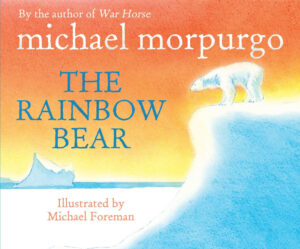
This longer picturebook is the story of a polar bear who dreams of exchanging his snowy white coat for new fur that is as colourful as the rainbow he sees in the sky one day. The bear’s conspicuous new appearance leads him to be captured and exhibited in a zoo.

This engaging and thought-provoking story by master storyteller Michael Morpurgo is coupled with beautiful illustrations, making it one of our top choices for storytime in Year 2 and the surrounding year groups.

Picturebook

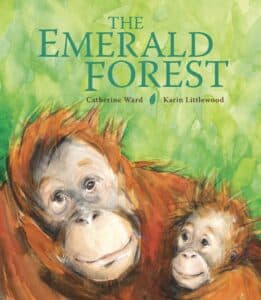
‘The Emerald Forest’ is a gorgeous and moving picture book bringing to life the plight of orangutans on the island of Sumatra in Indonesia.

The story, written by Catherine Ward, is written in prose but its language is poetic and has a lovely rhythm to it, making it perfect for reading aloud. Karin Littlewood’s illustrations are stunning, and the size of the pages and the scope of the pictures, bursting with the greenery and light of the Indonesian forest, create an immersive experience. In one illustration, it feels as if the orangutan is looking right at you. Because of this, the experience of the orangutans as their habitat comes under attack is felt on an emotional level too. The plight of the orangutans is unsettling, but the message overall is one of hope, as the orangutans are rescued and rehomed in the story.

The book encourages the reader to look towards a future where the forests of Sumatra might recover if people play a part in protecting them. This stunning rainforest-themed picturebook would be invaluable for use in a class topic on the use of palm oil, or more generally in talking about the impact of human activity – for better and for worse – on the environment.

Chapter book

This book is an absolute wintry delight.

It begins with the main character ‘Bella’ joining her single mum (her dad died when she was younger, which is briefly mentioned) on an exciting adventure to study penguins in Antarctica. It promotes women working in STEM in a setting that is not usually seen in children’s fiction stories. Whilst there, Bella spots an unusual penguin with a pale brown coat instead of the typical black which is integral to the story. What we thought was going to be an adventure about a girl and penguins turned out to have an historical twist with mystery and suspense – to add to the what was already a lovely story.

This is a brilliant bedtime read and would also be a good classroom story to share for Year 2. There were lots of discussions about vocabulary and meanings, for example, crevasse (which is a deep crack in the ice). This felt like a favourite because there was something for everyone –  adventure, mystery, suspense, Antarctica and of course, because it’s Holly Webb, animals!

Picturebook

The story offers a calm, nature‑centred reading experience that encourages children to slow down, observe and connect with the world around them. Rosie’s journey mirrors a child’s own developmental arc of curiosity, exploration, risk‑taking and forming bonds. The illustrations deepen this sense of wonder, making it ideal for shared reading at home or in the classroom.

The Summer Puppy is a beautifully crafted picture book that blends poetic language with evocative illustrations. It supports curriculum learning while nurturing empathy, observation skills, and a love of nature. It’s a strong choice for whole‑class reading, small‑group discussion or quiet bedtime sharing.


Classic Stories for Year 2

Chapter book

This classic children’s book introduces the iconic character of Pippi, a delightfully unconventional nine-year-old living independently at Villa Villekula with her monkey and horse. Her bright pigtails, stripy socks and incredible strength make her truly unique.

This edition contains stunning collage illustrations by Lauren Child (best known for the Charlie and Lola books), which perfectly capture Pippi’s happy-go-lucky spirit and bring fresh energy to this timeless tale.

Pippi’s boundless fun and fierce independence continue to entertain at storytime, making this an essential, whimsical read.

Chapter book

A classroom favourite from the popular children’s author Roald Dahl.

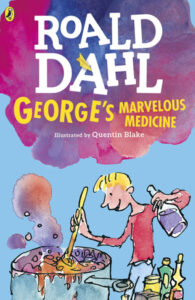
This is the laugh-out-loud tale of George Kranky, who plots revenge on his mean and miserable Grandma by concocting a magic medicine for her. Little does he realise that the medicine will have weird and wonderful effects on the old lady’s body.

This is one of the shorter Roald Dahl chapter books, and suits readers who like anarchic humour or stories with a little bit of unexplained magic. Children love the fun of George’s concoction, the transformations of size when Grandma grows so tall that her head bursts through the ceiling and the supersized farmyard animals.


Chapter book

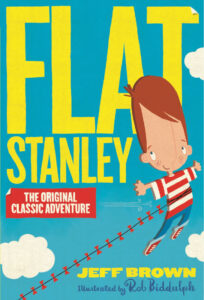
We recommend this classic children’s books series about a boy who becomes flattened by an incident with a pinboard.

Learning to navigate life with his new flat-as-a-pancake body, Stanley finds himself enjoying the novelty of sliding under doors, being posted in the mailbox and flying in the sky as his brother’s kite. Soon, being flat presents challenges too, and the usually positive and optimistic Stanley begins to long to return back to his old self.

These short chapter books go down a treat with children aged 5-7.


Chapter book

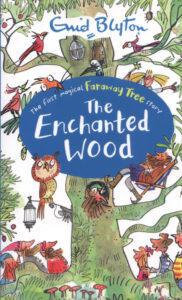
This chapter book is part of a classic children’s series that has been entertaining readers for generations. The stories follow children Joe, Beth and Frannie as they stumble upon a magical Faraway Tree, where they embark on a series of thrilling adventures. The tree is filled with intriguing characters and a different land awaits at the top of the tree each time they climb up.

Alongside their companions Moonface, Saucepan Man, and Silky the fairy, the trio travels to the top of the Faraway Tree in each new chapter to uncover which new land awaits them – including the Land of Spells, the Land of Birthdays and the Land of Take-What-You-Want. These classic infant books feature top-notch storytelling that still enchants readers today through simple and magical adventures.

First Illustrated Chapter Book Reads for Y2

Chapter book

The first in a magical and mystical series by the incredibly talented Laura Ellen Anderson. Bound to be a hit with fans of Isadora Moon, Pia’s Pet Club or Izzy the Inventor

Tabitha finds a key to her garden shed which takes her to the land of Star Kitties. She has been very much enjoying her weekly visits there and now it’s her birthday and she has arrived in Whiskery Paw expecting celebrations galore.  However there is a cat-astrophe: her Royal Pawness is missing and the cats are in chaos!

This illustrated early chapter book series tells the story of a secret world of kitty cats which as a cat-lover was purrrfect (once I was introduced to Reading Kitty, I felt like I’d met my soulmate!). The striking two-colour illustrations make the book very appealing and ideal for children in Year 2 upwards (age 6+). There is also a map at the start for children to follow the characters on their detective mission. It is a great book to use as a stepping tool from KS1 to KS2: it has short chapters and could help children progress from phonics and onto comprehension led reading in small groups or as a whole class setting.

Chapter book

A fun and easy-to-read book, and a good addition to the Year 2 book corner for enhancement when looking at fantasy creatures or adventure narratives.

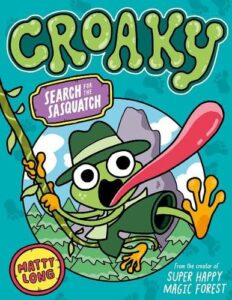
Matty Long – known for Super Happy Magic Forest – has an iconic illustrative style that appeals to younger children. The main character Croaky Hopper is funny and the storyline moves quickly. Croaky is different to other frogs and not content to stay home when his dreams of wild adventures are just a leap away – especially when he signs up for Woggle Scouts and ends up on an expedition to find the legendary Sasquatch.

We love the vibrant character of Croaky and his energetic personality will resonate with readers in the age group of the intended audience – his thirst for adventure, his frustration at not being able to bound away and recklessly follow his dreams and his impulsive spirit that causes him to sometimes leap before he thinks. This story sells the benefit of being part of a club or team, and shows how different personalities can achieve their goals in different ways through working together.

The book feels like a chapter book, but the printed format is familiar to those who like picturebooks or early graphic novels. Children enjoy the full-colour illustrations and ease of reading. The text is large and the sentence structure is easy enough for children to understand and read in a short session.

Chapter book

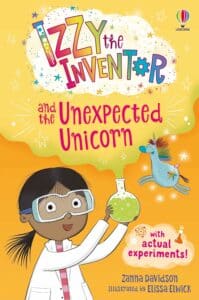
Izzy loves science. She loves experiments and wants to be an inventor. When she is summoned to help get some fairy tales back on track, she is sceptical – she doesn’t believe in fairies and magic. But can she use her science knowledge, along with a little imagination, to help everybody out?

This early, illustrated chapter book by Zanna Davidson is great for budding scientists or anyone with a curious mind. Mixing well-known fairy tales with science and experiments shows that you don’t have to believe in just one or the other. Izzy is a strong character who knows her own mind but who also realises that sometimes you have to adjust your beliefs. The book is set out in a way that makes it very accessible for emerging readers. There are no long pages full of text, and speech bubbles, maps, explanations and experiments are interspersed throughout the book as integral elements of telling the story.

This makes it very user-friendly and an ideal book to those starting out with longer texts. That’s not to say it’s and easy book- the vocabulary is challenging in places and scientific vocabulary is used appropriately throughout.

Chapter book

Luna Grace is a girl who lives on a planet called Starbright. Starbright is a very colourful planet where the residents have some special abilities, such as moving things with their minds. Grace’s hair also changes colour to show the emotion she is feeling. Her family are sent to Earth to study the wildlife and report back to their home planet. Their main challenge is to fit in with the people living on Earth so they can continue their studies. Luna has to go to a new school, and that is quite challenging with her hair constantly changing colour and her moon cat, Twizzle, wanting to come along. The story follows Luna as she moves home and starts her new school.

This book is a great story about a child making a significant move from their home and the emotions children can go through when they have to go through such a major life change. The book also highlights how it’s okay to be different from your friends and appreciate those differences. This is a brilliant book for children starting to read chapter books. It has short chapters and engaging illustrations to break up the quantity of words.

Chapter Book Stories for Year 2

Chapter book

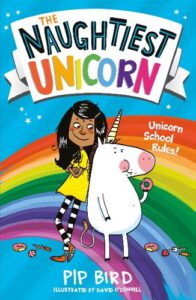
The first in a joy-filled series of illustrated chapter books, telling the funny story of Mira’s adventures as she starts unicorn school. Mira wishes to be paired up with the most beautiful, sparkly unicorn of her dreams, but the reality presents a grumpy, untidy, doughnut-eating unicorn named Dave.

This humorous adventure series explores themes of friendship, inclusion and loyalty, with a backdrop of rainbows, glitter and a dose of unicorn toilet humour, too. Children love the idea of the secret unicorn school – a bit like a sparklier version of Hogwarts. Illustrations, age-appropriate humour and a diverse cast of characters make this a super choice of chapter book story for readers aged 6-8.


Chapter book

Football stories are a massive hit in schools, often acting as a bridge into reading for children who prefer the pitch to the library or a deep dive into their favourite hobby for those who already love to read. Goal Squad: Win the Cup, written by football fanatic and sports journalist Scott Allen, is an excellent way into the genre, packing the drama of a real match into an accessible, fast-paced read.

Leo has the skills to reach the Premier League, but an injury sidelines him just as the season kicks off. He’s forced to watch from the bench while his rival Olli (a ball-hogging glory-hunter) takes his spot and puts the team’s future at risk. With relegation looming and only three games left, it’s a race against time for Leo to get fit and save the squad.

A gentle, football-themed short chapter book exploring teamwork, sportsmanship and perseverance.

Chapter book
A funny, beautifully illustrated young fiction series about a star come to earth to cause trouble! Ideal for readers aged 6-9, the perfect next step for Isadora Moon fans or readers of Sibéal Pounder and Laura Ellen Anderson.Nora Nightsky is a star - literally.Her glamorous mum is the North Star, and their dazzling family works hard, bringing to life the Little Bear constellation and sprinkling magic down to earth to grant human wishes.But Nora is nowhere near as shiny as her perfect brother and sister.Then one day, a girl wishes on Nora for the first time, asking for a pet.Rebelling against the rules, Nora sneaks down to Earth with her best friend Leap, a cute hare constellation, to give the girl a piece of her mind!A charming new young fiction character for readers moving up from Isadora Moon, brilliantly illustrated throughout in black and white by Becka Moor.Lots of humour, mischief and antics with a beautiful friendship at the heart.
Chapter book

Postman Planet is a laugh-out-loud funny book that’s perfect for young readers who enjoy action, humour and a bit of chaos. With short chapters and plenty of illustrations, the book is presented in a way that feels inviting rather than overwhelming, making it an excellent choice for children building confidence with longer stories.

The story follows Postman Planet, whose job is to deliver mail to some very dangerous and unusual places across the galaxy. The twist is that he’s actually a secret nine-year-old boy, doing his best to survive space deliveries while teamed up with Stamp, his annoying (but very funny) assistant, who is part robot and part dog. The fast pace, silly situations and visual humour will keep children engaged and the accessible layout makes it easy to read in short bursts. Despite the comedy, the book also explores positive themes such as friendship, teamwork and problem-solving, showing how working together can help overcome even the most challenging situations.

As the first book in a new series, Postman Planet does a great job of hooking readers and leaving them eager for more adventures. It’s a strong choice for reluctant readers, independent reading or for children who enjoy humorous stories with a sci-fi twist.

Chapter book

Sona’s family are very important to her. When her mother is about to have a baby, Sona wants to be the best big sister she can be, which includes choosing a name for the baby. However, Sona is also concerned about sharing her beloved family with someone new – will a new baby change her family?

Sona is an engaging character, with worries of her own that other children would be able to relate to. Through her conversations with Elephant, her best friend, we hear her inner thoughts and her concerns about her place within the family once the new baby arrives. We see her struggling with the idea of a younger sibling, not wanting to share what she considers to be her belongings.

The story celebrates traditions surrounding the birth of a new child and the importance of the baby-naming ceremony in Hindu culture. The very useful glossary helps to explain the cultural words and Jen Khatun’s illustrations not only bring the story to life but also help to break up the text. This would be a lovely book early illustrated chapter book to share in a classroom to show the differences and similarities between different cultures and family traditions, as well as relatable choice for children experiencing the rollercoaster of emotions that come as part of expecting a new sibling.


Chapter book
The first book in an exciting new series from the creator of Isadora Moon, Harriet Muncaster.Told in diary format and packed with beautiful full-colour illustrations, this is the enchanting story of Wiska Wildflower and her search for friendship at Inkcap's Academy.Wiska Wildflower is relieved when she makes friends with Cleobelle and Primrose on her first day at Inkcap's Academy. They love Wiska's drawings and ask her to help them design matching outfits for a special fashion show in Spellbrooke City. But the more Wiska gets to know her new friends, the more she feels she must hide her true self and follow their rules. Can Wiska find the bravery she needs to get her creative spark back and discover true friendship?

Kind and Inclusive Picturebooks for Y2

Picturebook

We’re huge fans of Anne Booth and her books. This is the story of a little boy who makes friends with a ‘troll’ who lives in a cave in the park. He begins to make little drawings outside the cave, always leaving a piece of chalk for the troll. Each day when he returns, he finds that the troll has finished his drawing. Little by little the troll begins to come out of his cave and they become friends.

The perseverance of the little boy is wonderful and it shows how kindness can achieve all kinds of things. We really liked how all of the other children also began to play together, all brought together by drawing. The illustrations are gorgeous and add to the enjoyment of the story.

Picturebook

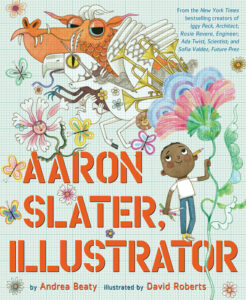
This story follows Aaron, a boy who loves stories but struggles with writing due to his difficulty in deciphering letters. But when his turn to write a story for the class comes around, inspiration strikes, and he finds another way to share his tale through the pictures he draws.

This book is part of a larger series that has gained popularity in schools, and for good reason. The other titles, such as Rosie Revere, Engineer and Iggy Peck, Architect are also engaging and give validity to the talents and strengths of each individual.

We love Aaron Slater, Illustrator as an empowering storytime read that can also lead to discussions about helping individuals find ways to personally thrive as well as touching on themes of dyslexia and the power of art.

Picturebook

Part of the Traveller Tales series by Richard O’Neill, this story invites warm and authentic discussions about what learning might look like for different people once they step outside the classroom.

Sonny is usually on top of his schoolwork, but a hectic family wedding weekend gets in the way. He’s busy painting the wedding cart, working out routes and helping out his neighbours. He never even notices his books going missing. Dreading the Monday morning walk to his teacher’s desk, without his homework books, Sonny is surprised to find that his weekend of hands-on learning is valued in ways he never expected.

This empathetic story from Child’s Play is a brilliant window into Traveller heritage as well as a celebration of different learning experiences and ways to be clever.

Magic, Myths and Fairytales for Year 2

DK
Non-fiction

DK’s My Encyclopedia of Very Important Myths and Legends is a superb addition to an encyclopedia series we love, offering an exciting gateway into a world of ancient mythology.

This book takes young readers on a global journey, exploring a rich array of mythical stories, from familiar heroic quests to lesser-known magical creatures and legendary battles.

This accessible encyclopedia is a superb resource for introducing the characters and places found in ancient mythology from all around the world. With chapters including ‘Sea Creatures’, ‘Heroes and Battles’ and ‘Winged Creatures’, this book will not only inspire imaginations but also become an invaluable tool for inspiring a deeper appreciation for literary heritage and the age-old art of storytelling.

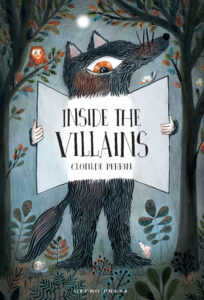
We just can’t get enough of this oversized interactive picture book that children in Year 2 adore.

This exquisitely produced book is a celebration of three of the most infamous fairytale villains. Filled with dark humour and detail on every page, the book has flaps and fold-outs for readers to open up and reveal the innermost secrets of an ogre, a big bad wolf and a wicked witch. Peek under the flaps to reveal what lies beneath their disguises and to uncover the identity of their last meal, now nestled comfortably in their bellies as well as their hobbies, personal belongings and secret plans.

Inside the Villains is a multi-layered book with the potential to entertain readers for hours. This is a great choice for children who love interactive elements and are ready to dive deeper beneath the surface of their favourite fairytales.

Chapter book

Wild Magic is a high-energy modern adventure series. Twins Misha and Ziggy head to Ethiopia with their wildlife presenter father, but the siblings have secret powers – she can talk to animals and he can shapeshift into them.

When a legendary lion goes missing, the twins use their powers to track it down. Abiola Bello’s story is a brilliant armchair travel experience, whisking readers through the Mercato Market and the Simien Mountains. The Ethiopian setting is a breath of fresh air and Emma McCann’s lively illustrations keep the pace moving.

The story showcases a great mix of family, conservation and just enough peril to keep readers hooked without becoming scary. With accessible spacing and punchy vocabulary, it’s a win for Year 2 and 3.

Thought-Provoking Stories for Year 2

Picturebook

‘Flower Block’ by Lanisha Butterfield is a touching and beautifully crafted picturebook.

Jeremiah plants a packet of sunflower seeds, the last thing he expects is for the vines and leaves to grow overnight and burst through the ceiling of his apartment. The story follows Jeremiah and his brother as the community in their flat block comes together to find the true magic hidden within the seeds.

Hoang Giang has illustrated the book beautifully there is so much to see on each page. Throughout the book you are introduced to lots of people who live in the tower block and it is wonderful to see the diversity of Jeremiah’s neighbours. A highly recommend book, which children of all ages would enjoy.

Picturebook

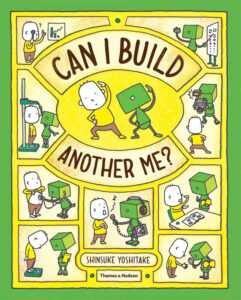
This is a wonderful picturebook about the nature of individuality, perfect for building a classroom or school culture where the uniqueness of each person is celebrated.

The book invites readers on a whimsical journey that follows a young boy’s desire to create a robot clone of himself. However, before he can bring his cloned self to life, he must embark on a quest to uncover the essence of his individuality. What is it, exactly, that makes him who he is?

Younger classes will enjoy imagining what a robot close of themselves might look, act and feel like, while older children can get philosophical about the factors that have come together to make them who they are, or even about the potential ethics of cloning oneself (I’m sure overly busy teachers may also be tempted to wish for a clone!).

Either way, this is a really fun focal point for classrooms and one that works best if children are given enlarged or close-up access to the illustrations.

Picturebook

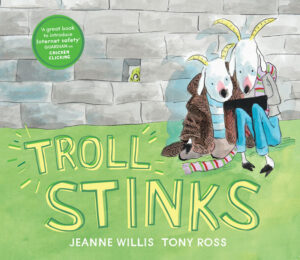
Troll Stinks makes for an excellent choice of book for today’s children and one with the potential to both entertain and spark meaningful discussions about internet safety with primary children.

Billy the Goat and his friend Cyril are playing with a phone when they decide to send mean messages to the troll living under the bridge. Soon, the two friends discover that their online actions have had a significant impact on the troll’s feelings and that their messages were not such a fun idea after all.

The book is part of a series that spins traditional tales into the modern age and examines the impact of technology on children’s safety. With more primary-aged children than ever having access to online messaging, the book is bound to open impactful classroom discussions. Even for children who have not yet used their devices in this way, the broader themes of bullying, empathy, recognising the impact of words and stopping mean behaviour in its tracks will resonate with even the youngest children.

This important and entertaining story is a modern must-read.

Picturebook

Set in a town obsessed with brand-new fashion, the story follows a family of mice who quietly challenge the norm. While their human neighbours discard worn clothing in favour of the latest trends, the mice take a different approach of mending and restoring old garments with care and skill. With their nimble paws and inventive ideas, the mice transform damaged clothes into treasured outfits. Before long, the townspeople begin to notice. Their repaired wardrobes are not only unique and beautiful but also longer-lasting, setting off a subtle shift in attitudes toward clothing and consumption.

However, this change does not go unnoticed by Igor, the greedy owner of the local fast-fashion factory. As his profits begin to fall, Igor grows increasingly determined to stop the mice and restore his control over the town’s habits. What follows is a playful and engaging fashion battle, as Igor attempts to outsmart the mice, only to be met with their ingenuity and quiet determination.

Printed on recycled paper and told with warmth and humour, this picture book gently conveys the message that small, creative actions can have a meaningful impact.

Poems and Rhymes for Year 2

Poetry

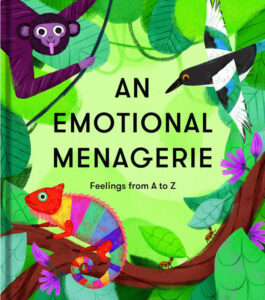
This is a beautiful collection of poems, all themed around different emotional states. Working through the alphabet (Anger, Boredom, Curiosity and so on), each feeling is likened to an animal and starts with the line ‘If ….were an animal’, helping children to identify the words we use to describe emotional states and how the feelings might cause people to behave or react.

The bright illustrations help children to make the link between the emotions and their paired animal. Anger is compared to a lion, boredom is a limp jellyfish, obsession to an otter and zeal to busy, working ants. Children will have loads of fun creating their own comparisons. A comprehensive resource pack is also available to download from the publisher.

A lovely book to help develop emotional literacy, we recommend this as a great addition to book collections in schools and homes.

Picturebook
Follow a little boy's friendship and journey with one tree, in this powerful and beautiful love letter to nature.From master wordsmith, Benjamin Zephaniah, comes a breathtaking new poem and story showing how trees offer us the perspective and connection to nature we crave in our daily lives. The final scene is an honest representation of the devastating effects of deforestation and urban development, encouraging all of us, everywhere, to 'leave the trees, please'.With resplendent illustrations from bestselling Melissa Castrillon, this book is both magnificent and timely.
Poetry

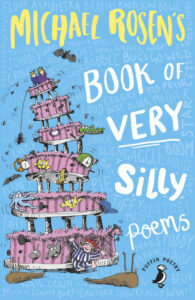
This is a collection of ‘poems to have fun with’ – and really widens that scope to ‘words to have fun with’, ‘ideas to have fun with’ and ‘read-alouds to have fun with’ too!

Previously shortlisted for the CLiPPA award, A Dinosaur at the Bus Stop celebrates the absurdity and the unexpected. These poems are perfectly pitched to hit the humour level of younger primary pupils, while Eilidh Muldoon’s playful illustrations bring the nonsense gloriously to life.

It’s an excellent collection and a brilliant choice for high-energy read-aloud sessions that will bring all the joy of poetry to the classroom.

Short Graphic Novels for Year 2

Graphic novel

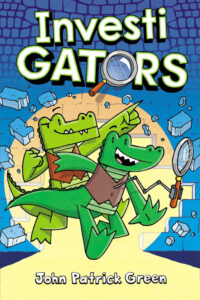
We are big fans of the InvestiGators graphic novel series. This pun-filled action series is a hit with younger fans of the graphic novel format and has hooked in lovers of Dog Man and The Bad Guys through its full-colour animal antics, funny cases to solve, and clever wordplay.

We love the good, clean fun of this series, and parents and teachers know that young graphic novel fans are in good hands with these books. Author John Patrick Green said of the series, “Of all the comics I’ve created in my professional career, making InvestiGators has come closest to recapturing that feeling of being 11 years old, drawing comics in my bedroom, with the sole intention of making my friends and classmates laugh.”

John’s commitment to child-centred visual humour and puns has clearly paid off and is reflected in the popularity of this series, which teachers and librarians tell us is flying off primary bookshelves at lightning speed. For children, the books are funny from the get-go, and pun-loving grown-ups like us can’t help but smile at the non-stop wordplay woven through the action scenes, too.

Graphic novel

A brand-new full-colour look for the bestselling Astrosaurs series. This fun and vivid graphic novel blasts off with Teggs and the crew for three short astronomical space adventures!

Full of colourful and vibrant illustrations to accompany the comic book storyline, lovers of graphic novels are in for a blast of a ride. This hilarious story is full of one-liners to tempt, tickle and tantalise. Full of powerful pongs to egg-cellent explosions, these missions never quite go to plan! And so you MUST read on to discover if the Astrosaurs are there to save the day!

Graphic novel

This is a cheerful, full-colour graphic novel for young readers set in the undersea town of Nowhere. We’re introduced to the main characters, Ollie the vampire squid and his best friend Zing, the sea bunny, who with their friends and neighbours form the Squid Squad, each with their own special aquatic super power. We follow them through a series of wacky adventures in which those super powers eventually save the day.

The balance between having enough peril to make the plot exciting without scaring very young readers is very deftly managed, making this great for KS1.

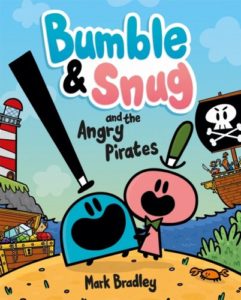
I expect this book to be particularly popular with children in Years 1-4 and it would work well as a first introduction to graphic novels. It’s prefect for fans of: Max and Chaffy; Narwhal and friends; Peanut, Butter and Crackers; Bumble & Snug.

Non-Fiction Books for Year 2

Non-fiction Picturebook

Ever wondered how fruit starts to grow? This fun, lift-the-flap book guides you through the parts of a flower, how different pollinators support the plant life-cycle and how other parts of plants are used in our food. There is a great mix of scientific detail and engaging story-telling and this book is a great accompaniment to primary science topics about lifecycles and growing plants.

The information is presented attractively in bite-size chunks, making it accessible for children across the primary age-range, and the illustrations are colourful and eye-catching.

This would be a great text to use as a model when writing explanations about plant life-cycles, and there are step-by-step instructions at the end of the book for conducting your own pollination investigation.

Non-fiction

This large-sized informative compendium about ocean life is the kind of non-fiction that children like to come back to again and again to pore over its pages.

Each double-page spread dives into a different sea-themed question, such as ‘Are jellyfish made of jelly?’ or ‘Why do crabs run sideways?’.

There is never too much text on each page, but what you find is accessible chunks of information cleverly interspersed into each ocean scene. The illustrations are stunning and come together to make wonderful spreads that serve as a treasure trove of visual delights for young eyes, as text and pictures work together to build an understanding of underwater habitats and the life they hold.

Non-fiction
Unlock the secrets of the sky with this fascinating guide to how airports work, the perfect choice when looking for aviation gifts for kids.Millions of people fly from airports every year, and yet how they work remains a mystery to most of us. Where does luggage go once you've checked it in? What causes turbulence? How does air-traffic control work? Answers to these questions and much, much more are found in the thrilling pages of this fully illustrated guide written by Mohammad Taher, better known as Mo T, The Airport GuyA groundbreaking addition to travel books for kids, Airport Adventure transforms a standard flight into a thrilling journey of discovery. The perfect airport book for kids' collections and curious travellers alike.
Non-fiction Picturebook

Part of Kate Pankhurst’s popular non-fiction series, Fantastically Great Women Who Saved the Planet is a picture book style non-fiction that features female pioneers who have spent their lives protecting the Earth, each in their own ways.

Each spread is full of bite-sized facts and vibrant illustrations, profiling figures from ‘shark lady’ Eugenie Clark to recycling superstar Isatou Ceesay. The accessible layout is perfect for dipping into as and when, and also makes big topics like conservation feel empowering rather than overwhelming.

In the classroom, this is a brilliant resource for STEM and significant people in history, showing how individuals can affect global change. A must-have for any primary library looking to inspire the next generation, and a popular early non-fiction choice for children.

Non-fiction

This is a super-cool non-fiction choice that follows on from Marvellous Machines, continuing the STEM themes but this time giving the spotlight to animal habitats and ecosystems. The book uses a magic lens magnifier to show what’s happening inside different animal homes, making reading it an interactive experience. By using the red filter lens tool, children can peer into hidden spaces like termite mounds, tailorbird nests and gorilla beds. The illustrations are detailed and searching around with the lens gives the feel of being a nature explorer.

The layout is great for the classroom, with short bursts of information that suit younger readers perfectly. It is a brilliant resource for a habitats or animals topic, or just a fun and interactive pleasure read that will fly off the class shelves.


SAVE 20% with Peters

Visit our booklists on Amazon

Support independent bookshops

Printable Year 2 Booklists

Can I download a printable version of the Year 2 Booklist?

All of our Year Group Recommended Reads lists come with a printable poster and checklist. Schools are very welcome to display the posters or to share the printable resources with their community.

Printable Poster – Best Year 2 Books PDF

y2 best books


Printable Checklist – Best Year 2 Books PDF

y2 best books checklist


Printable Bookmarks – Best Year 2 Books PDF 

year 2 best books bookmark

About the BooksForTopics Year 2 Booklist

What books can Year 2 children read?

best books to read in year 2There is a wealth of brilliant books to share with children in Year 2. Now old enough to sit and listen to longer stories, many 6 and 7 year olds start to enjoy short chapter books at this age, like the Izzy the Inventor series or the colour-illustrated Croaky. Some children are ready to read chapter books independently during the course of this year, but it’s perfectly fine if they do not quite have the reading stamina yet. Enjoy reading short chapter books together at storytime, so that children get used to a longer story without the pressure of having to read it themselves. Martin’s Mice and Marge in Charge are both excellent storytime choices for children in Year 2.

Picturebooks remain important at this age too, both for independent reading and for shared storytimes with adults, where the words and pictures can be discussed and enjoyed together. Many Year 2 children love Don’t Trust Fish or The Couch Potato, which are both popular hits with this age group because of their use of tongue-in-cheek humour to engage readers.

Children at this age are often able to handle an increasing complexity of themes, including learning to empathise where characters experience a range of emotions and new experiences. Year 2 teachers often look to introduce stories that explore emotions, like The Boy, the Troll and the Chalk, or books that open discussions into wider social themes like The Emerald Forest.

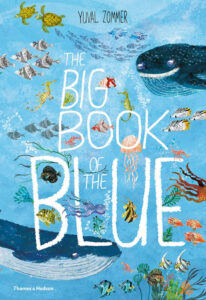
Visually appealing and highly illustrated non-fiction texts covering topics of interest will also be read in Year 2, like Marvellous Animal Homes and Yuval Zommer’s wonderfully illustrated The Big Book of the Blue. These books not only pique children’s curiosity but also develop comprehension skills, build vocabulary and enhance wider curriculum knowledge.

Which books are best recommended for Year 2?

year 2 best books reading listFor the BooksForTopics Y2 reading list, our team has carefully selected a balance of different types of books to engage Year 2 children in reading for pleasure – either for reading independently or together with an adult.

Some of the stories in the collection are chosen especially for making children laugh – we love Julia Donaldson’s comic pirate caper The Troll, the irreverent fun of Don’t Trust Fish, and the rainbow-haired babysitter who gets the children into all kinds of scrapes in the madcap Marge in Charge series. Other stories in this reading list help the imagination to soar, inviting readers to take a trip to the Arctic in Michael Morpurgo’s beautiful story of freedom and captivity The Rainbow Bear, or to explore the forests of Sumatra in The Emerald Forest.

Many of the best Y2 stories help to explore real-life experiences for particular characters – join Sonny as he searches for his workbooks in The Lost Homework, or follow Aaron’s inspiring story of unearthing his strengths amid academic struggles in Aaron Slater, Illustrator. Environmental concerns and themes of protecting the planet are also well represented on the list, like the gentle picturebook introduction to rainforest habitat destruction in The Emerald Forest, or Kate Pankhurst’s inspiring accounts of Fantastically Great Women Who Saved the Planet.

If you are looking for classic stories for Year 2, we’ve included some favourites that have been entertaining children for generations, like the imaginative adventures in The Enchanted Wood or Jeff Brown’s much-loved Flat Stanley. Other books on our Y2 list are much more recently published, such as the brilliantly illustrated pirate adventure Buck and Ears, or the heartwarming celebration of repairing and recycling, Igor and the Mending Mice.

How do Year 2 children move on to chapter books?

Children should be given plenty of opportunities to listen to stories in chapter instalments before reading them for themselves. Classroom storytimes, bedroom stories and audiobooks all provide experiences of chapter-by-chapter stories and it’s often a pleasant surprise for adults to realise just how much children are looking forward to the next chapter. For storytime read-alouds or class novels, try the hilarious Postman Planet, the relatable Sona Sharma or the adventures of mischievous babysitter Marge in Charge.

A number of chapter books suitable for 6 and 7 year olds are included on this list.  For newly independent readers looking for their first chapter books to read to themselves, we recommend starting with something short and highly illustrated, like Croaky: Search for the Sasquatch or Luna Grace: Girl from Outer Space. Once children are used to the very shortest chapter books, move on to illustrated stories with a slight increase in narrative complexity, like The Naughtiest Unicorn, Harriet Muncaster’s Diary of Wiska Wildflower or the graphic novel InvestiGators series.

For more chapter book ideas, be sure to check out our separate booklists listing recommended KS1 Storytime Chapter Books or First Chapter Books for Independent Reading.

What are the best non-fiction books for Year 2?

We’ve included a stellar selection of visually appealing non-fiction for Year 2 on this list, from Yuval Zommer’s beautifully illustrated The Big Book of the Blue, to a fascinating behind-the-scenes guide in Airport Adventure, to a fun, lift-the-flap exploration of plant life cycles in The Great Pollination Investigation.

We have a separate booklist with more top-notch non-fiction for primary schools. If you are looking for books themed around a particular topic, head over to our KS1 topic booklists.

What other booklists for children in Y2 are available?

Booklists for KS1We have lots of resources and booklists for children in Key Stage 1, which covers the 5-7 age range.

Be sure to check out the BooksForTopics KS1 topic booklists if you are looking for children’s books themed around a popular Year 2 classroom topic – whether it’s stories for a curriculum theme like Oceans and Seas or Growing Plants or a book to match a popular interest like books about animals or science books for children.

At this age, a lot of children tend to become attached to a particular series or favourite character. To provide parents and teachers with some inspiration to discover new story characters that children might adore, our Branching Out booklists could come in handy. These booklists include Books for Fans of Rainbow Magic, Books for Fans of David Walliams, and Books for Fans of Isadora Moon. We also have a list of Accelerated Reader Books for Year 2.

If you’re seeking children’s books that showcase a broader range of characters, cultures, and experiences, you might want to check out our collection of Diverse and Inclusive Books for KS1. This compilation has been carefully selected for parents and educators looking for books that reflect diversity and inclusion.

Teachers and parents are well aware of the learning curve involved in managing emotions for children in this age group. To aid primary children in understanding their emotions, we have created a list of picture books to promote emotional literacy. For those who are about to transition to Year 3, we have a Class Transitions booklist that can provide support.

A great place to start for reading for pleasure choices at home is our list of Best Books for 7-Year-Olds. Advanced Year 2 readers can look ahead with our list of recommended Reads for Year 3.

Where can I find recommended reading lists for other primary school year groups?

BooksForTopics is the tried and tested place to find Year Group reading recommendations. Just like the Y2 booklist, we have created lists for other year groups as well. Our team of professionals at BooksForTopics has carefully and thoughtfully curated lists of the best books suitable for each primary year group, with help and feedback from our school-based Review Panel. Each booklist comprises 50 suggested reads and features a printable poster and checklist. Plus, schools can purchase full sets of each year group list through our partners at Peters.

Here are the quick links to our other primary school booklists:
Purchasing the Year 2 Recommended Reads

Where can I purchase the books on the BooksForTopics Year 2 booklist?

Peters book packs booksfortopics

Booklists you might also like...

Year 2 Booklist: 50 Recommended Reads
Related Resources

[["Printable Y2 Poster","https:\/\/www.booksfortopics.com\/wp-content\/uploads\/Printable-Poster-50-Best-Books-2026-27-Year-2-768x543.png","https:\/\/www.booksfortopics.com\/wp-content\/uploads\/Printable-Poster-50-Best-Books-2026-27-Year-2.pdf"],["Printable Y2 Checklist","https:\/\/www.booksfortopics.com\/wp-content\/uploads\/Checklist-50-Best-Books-2026-27-Year-2-768x543.png","https:\/\/www.booksfortopics.com\/wp-content\/uploads\/Checklist-50-Best-Books-2026-27-Year-2.pdf"],["Printable Y2 Bookmark","https:\/\/www.booksfortopics.com\/wp-content\/uploads\/Year2Bookmark.png","https:\/\/www.booksfortopics.com\/wp-content\/uploads\/2026-Bookmark-Y2.pdf"],["Purchase Y2 School BookPack","https:\/\/www.booksfortopics.com\/wp-content\/uploads\/recommended-reads-y2-book-pack.png","https:\/\/peters.co.uk\/book-page\/9789990248272"],["Purchase Individual Y2 Books","https:\/\/www.booksfortopics.com\/wp-content\/uploads\/bookshop-2026-27-recommended-reads-y2.png","https:\/\/uk.bookshop.org\/lists\/year-2-50-recommended-reads-booklist-2026-2027?&new-list-page=true"]]

Subscribe to our newsletter

Your Review

Stone Girl Bone Girl

review

Year group(s) the book is most suitable for:

Year group(s) the book is most suitable for:

Does the book contain anything that teachers would wish to know about before recommending in class (strong language, sensitive topics etc.)?

Does the book contain anything that teachers would wish to know about before recommending in class (strong language, sensitive topics etc.)?

Would you recommend the book for use in primary schools?

yes

Curriculum links (if relevant)

Curriculum links (if relevant)

Any other comments

Any other comments