Recommended children's booklists sorted by age or topic

Topic: Science, Maths and Computing

This laugh-out-loud adventure from award-winning children’s author Neil Gaiman is a popular choice with lower KS2. When Dad is left in charge of the very important job of remembering to get milk, he forgets and ends up on a fantastic adventure involving space ships, aliens, time-travelling dinosaurs and saving the universe as he attempts to fetch some milk and get it home on time.

This award-winning book showcases wild and wonderful beasts, from tigers and brown bears to binturongs and Ice Age beasts. Hugely popular in primary classrooms due to its vibrant, appealing illustrations and accessible and interesting style of text, this informative compendium is the kind of non-fiction that children like to come back to again and again. You may also like the other books in the series, The Big Book of Bugs and The Big Book of the Blue.

Part of a series written by Professor Stephen Hawking and his daughter Lucy, this fast-paced adventure follows a boy called George as he discovers a portal to outer space inside his neighbour’s super-intelligent computer called Cosmos. As you might expect in a book by Stephen Hawking, the narrative is filled with scientifically accurate facts and figures about space.

We love this engaging non-fiction text all about the way in which animals use problem-solving to overcome everyday challenges. In this book readers will look at how dung beetles use the stars to map their journeys, how humpback whales create nets of bubbles to capture their next fishy meal and how mimic octopuses disguise themselves in the most creative of ways. The collage-style illustrations draw the reader into the incredible world of nature while the short, vocabulary-rich text is perfect for inspiring deeper thinking about what we can learn from nature’s problem-solvers and would be a great stimulus for a writing project.

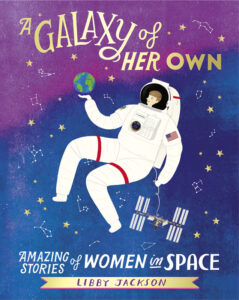
From small steps to giant leaps , A Galaxy of Her Own tells fifty stories of inspirational women who have been fundamental to the story of humans in space, from scientists to astronauts to some surprising roles in between.

From Ada Lovelace in the nineteenth century, to the women behind the Apollo missions, from the astronauts breaking records on the International Space Station to those blazing the way in the race to get to Mars, A Galaxy of Her Own reveals extraordinary stories, champions unsung heroes and celebrates remarkable achievements from around the world.

Written by Libby Jackson, a leading UK expert in human space flight, and illustrated with bold and beautiful artwork from the students of London College of Communication, this is a book to delight and inspire trailblazers of all ages.

Packed full of both amazing female role models and mind-blowing secrets of space travel, A Galaxy of Her Own is guaranteed to make any reader reach for the stars.
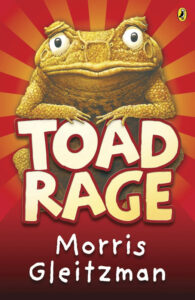
This is a really funny book that makes a popular choice to read aloud in KS2. Limpy the toad knows that human beings don’t think highly of toads, especially when they drive their enormous cars over them. Limpy sets about on a mission to save his family and help humans to see that toads are not so bad after all.

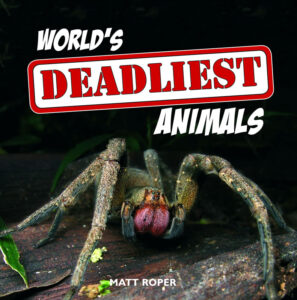
Ideal for guided reading, this information text will shock and amaze readers as it details some of the world’s most dangerous animals, from silent killers to raging beasts.

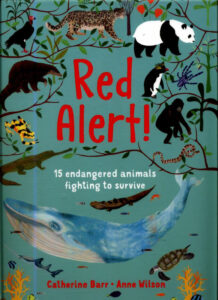
An engaging and colourful book looking at different endangered species. The information on each page draws attention to the beauty and uniqueness of each creature and highlights the way in which each one is in danger. There are also useful suggestions of ways to help each endangered creature.

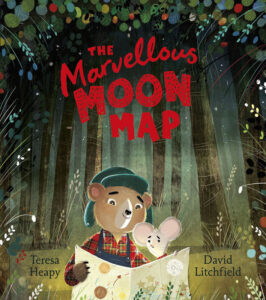
What would you need to get you all the way to the moon? Mouse thinks that his moon map is everything he needs and he sets off on a big adventure to get all the way to the moon. But as he travels through the woods and things begin to get a bit dark and scary, Mouse soon realises that he may need more than just a map to find his way.

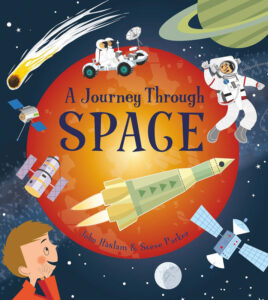
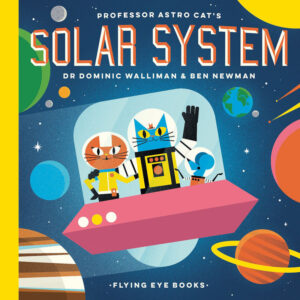
This is a visually appealing information book with accessible text, making it a great choice of non-fiction for young readers learning about space.

Subscribe to our newsletter

Your Review

Stone Girl Bone Girl

review

Year group(s) the book is most suitable for:

Year group(s) the book is most suitable for:

Does the book contain anything that teachers would wish to know about before recommending in class (strong language, sensitive topics etc.)?

Does the book contain anything that teachers would wish to know about before recommending in class (strong language, sensitive topics etc.)?

Would you recommend the book for use in primary schools?

yes

Curriculum links (if relevant)

Curriculum links (if relevant)

Any other comments

Any other comments