Recommended children's booklists sorted by age or topic

Topic: Literacy

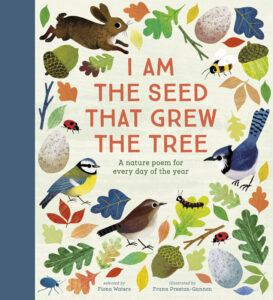
This beautiful poetry anthology that includes a new nature poem for every day of the year is likely to become a primary classroom essential and one that will be valuable for classes learning about plants or seasonal change.

The collection of 366 poems (to make sure leap years are covered too!) contains a really interesting mix of poems from well-known favourites from Christina Rossetti and Walter de la Mare to more modern offerings by Benjamin Zephaniah and Carol Ann Duffy, with each poem reflecting the seasonal changes associated with that day’s position in the year.

The book is structured into monthly sections, and the poems are accompanied by beautiful illustrations that celebrate the beauty of the natural world and changing seasons.

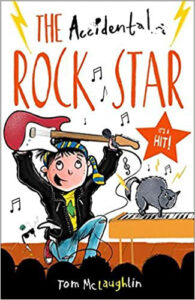
If you’re looking for a good read with lots of laughs, then The Accidental Rock Star fits the bill perfectly.

The story follows Ollie, Hector and their wacky family band on their journey to stardom and back again. Ollie and Hector dream of being rock stars, but unfortunately they have very little musical talent.

One day, as they are making their own music video in Ollie’s room, a twist of fate (in the form of Ollie’s vengeful big sister and a crazy cat) shoots them to overnight success. Before they know it, they become the biggest stars in the world – even though it was actually Ollie’s pet cat Nigel who is responsible for their music going viral.

Will they be able to stay on top, or will the truth come out? Can friendship and family survive in the face of fame and fortune? This is a laugh-a-minute tale by Tom McLaughlin and one that would be much enjoyed as a class read in lower KS2.

Chapter book, Dyslexia-friendly
resources-availabledyslexia-friendly

Street kid Scott jumps at the chance to be a Virtual Kombat gamer. If he can battle his way up the ranks, the ultimate prize will be his. But then his friend Kate goes missing in the battle arena, and Scott’s dream turns into a nightmare. A sleek new edition of the first book in Bodyguard author Chris Bradford’s action-packed dystopian trilogy. Particularly formatted for dyslexic readers in KS2.

This award-winning information book aims to show exactly why minibeasts can be truly awesome in their own unique way. The book includes 14 humorous, bug-tastic spreads, featuring worms, bees, beetles, dragonflies, butterflies, moths, grasshoppers, spiders, ants, snails and stick insects. Find out how honey bees make their honey, why moths always fly around lamps and how bombardier beetles protect themselves from hungry predators. There’s something new to learn about each bug.

Non-fiction

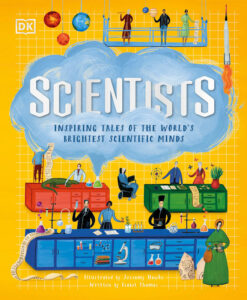
The biggest scientific breakthroughs in history have something in common: super smart people who kept looking for the answers to some of the world’s most interesting questions! The pages of this science book are filled with the stories of famous scientists such as physicists Neil DeGrasse Tyson and Stephen Hawking, biologist Marie Curie, palaeontologist Mary Anning and lesser-known trailblazers such as Chika Kuroda, who became Japan’s first female Bachelor of Science.

Filled with great detail and following a storytelling format, this is a thrilling book that will capture the imagination of young children and encourage them to explore the world of science. Beautiful descriptions of the scientists’ lives are brought to life through stunning watercolour illustrations and fantastic photography highlights the detail of their discoveries.

Non-fiction, Picturebook

What does a venus fly trap eat?
How strong is a giant water lily?
Does a cactus flower?
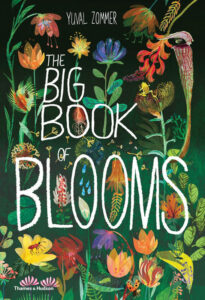
The newest addition to Yuval Zommer’s bestselling series answers these questions and more as it introduces young children to all kinds of colourful, carnivorous, weird and wonderful flowering plants from around the world. It opens with introductory spreads on how to be a botanist; how to recognise different types of flowers; the life-cycle of a plant; flower anatomy; and the seven types of animal pollinators including bats, birds and beetles. Subsequent spreads, illustrated within various habitats, are dedicated to specific varieties of plants, including the carnivorous venus flytrap, the giant water lily and the weird and wonderful corpse flower. Readers will enjoy learning about different edible flowers and why flowers are fragrant or colourful, not to mention grisly details about carnivorous and poisonous flowers.

Once upon a time in France, a baby was born under the summer sun. His parents named him Jacques. As he grew, Jacques fell in love with the sea. He dreamed of breathing beneath the waves and swimming as gracefully as a fish. In fact, he longed to become a manfish. Jacques Cousteau grew up to become a champion of the seas and one of the best-known oceanographers in the world. In this lovely biography, now in paperback, poetic text and gorgeous paintings come together to create a portrait of Cousteau that is as magical as it is inspiring.

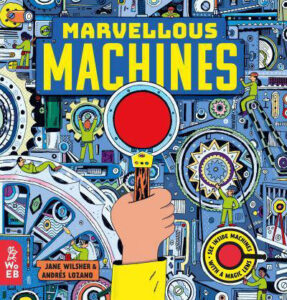
In this eye-catching book, readers can explore the hidden inner workings of machines and inventions, from mundane objects such as toasters and bicycles to cutting edge technologies such as pill-sized medical robots and super-fast maglev trains. Readers use the see-through magic lens to reveal how things work and the elements hidden within machines – everything from wires and pipes to the magnetic and gravitational forces machines rely on to function.

Accompanying text explains how these machines function, how they affect our daily lives, and the physical and chemical phenomena that enable them to work.

Non-fiction, Picturebook

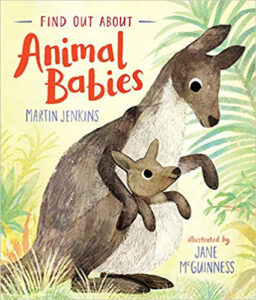
A colourful and gentle introduction to the concept of animal babies for young children.

All animals have babies, but not all babies are the same! From big babies to little babies, babies that look like their parents to ones that don’t, this beautiful picture book is a perfect introduction to different kinds of animal babies, from the award-winning author Martin Jenkins and illustrated by up-and-coming talent Jane McGuinness.

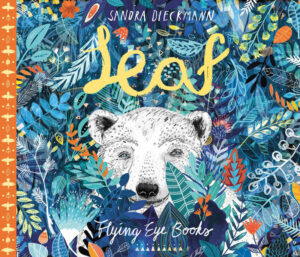
Leaf is a truly exceptional picture book. In very few words, Sandra Dieckmann is able to delicately touch upon several global issues. The story revolves around a polar bear who floats on an iceberg unwillingly (and unnaturally) to an island where he is not welcome by the inhabitants. The words tell half of the story, with, ‘the strange white creature carried upon the dark waves towards the shore.’ However, the illustrations manage to portray the significance of the situation, with the polar bear staring face down into the abyss as he floats further away from his natural home. The story doesn’t spell out why the polar bear is floating away from his home, but the message is poignant and delicately hits all of the right environmental notes. As a classroom practitioner, books like this are priceless as they open up conversations that may otherwise be too awkward or taboo.

Subscribe to our newsletter

Your Review

Stone Girl Bone Girl

review

Year group(s) the book is most suitable for:

Year group(s) the book is most suitable for:

Does the book contain anything that teachers would wish to know about before recommending in class (strong language, sensitive topics etc.)?

Does the book contain anything that teachers would wish to know about before recommending in class (strong language, sensitive topics etc.)?

Would you recommend the book for use in primary schools?

yes

Curriculum links (if relevant)

Curriculum links (if relevant)

Any other comments

Any other comments