
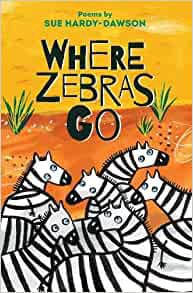
Sue Hardy-Dawson offers a perfectly-pitched variety of imaginative poems covering topics of interest to children, including animals, sports, playtime, growing up and protecting the environment, all delivered through entertaining verses including a number of shape poems.
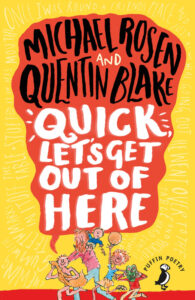
Michael Rosen’s poetry books are a must-have in primary classrooms and this one – illustrated by Quentin Blake – has a hugely entertaining appeal in KS2. The poems zoom in on small moments from growing up, from sibling squabbles to best friends to the feeling of trying to avoid being told off by mum and dad (even when you’ve sneaked downstairs in the night to eat some chocolate cake…). Young readers may also enjoy the fact that they can see many of the poems being performed on the poet’s dedicated YouTube channel.
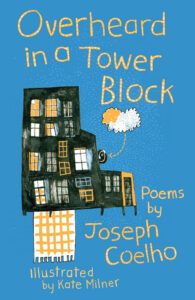
Award-winning poet Joseph Coelho depicts one boy’s experiences of growing up in a tower block, told through a series of poems that explore different aspects of growing up, including parental separation, school bullies, exam results and adolescence. The poems are powerful, thought-provoking and vivid, with themes that will feel relatable to many young people. This is an excellent collection to dip and out of, suitable for the crossover between Upper KS2 and Lower KS3.
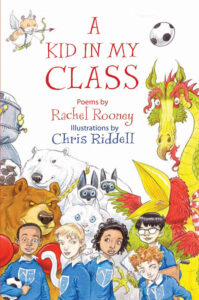
A popular collection that captures the essence of primary school life through a series of poem portraits depicting different characters in a class, from the fidgety pup to the know-it-all (and even the class hamster gets a turn). Entertaining and empathy-building, this is an excellent collection for primary classrooms.
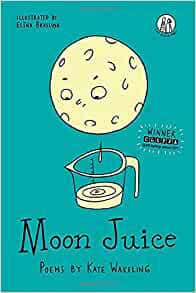
This collection of witty and intriguing poems that stir the imagination was the winner of the 2017 CLiPPA poetry award. The poems are lively, thought-provoking and are likely to be enjoyed for their humour, language play and rich variety of themes that appeal to upper KS2, including magic, space, relationships, family life and human emotion.
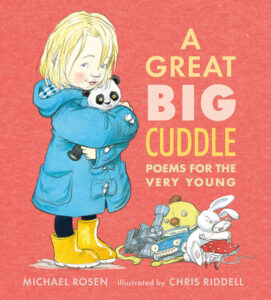
A collection of Michael Rosen’s poems for very young children, with delightful colour illustrations by Chris Riddell. The poems are accessible and playful, designed to capture elements of life that very small children can relate to; choosing toys, falling into a puddle or waiting for lunchtime to come. A brilliant introduction to poetry that engages young children with rhythmic and playful verses that are easy to join in with and learn by heart. You can see a few examples of the poems here.
Three children’s poets come together to create a collection of positive poems about looking after the planet. The poems in this stirring and topical volume explore the theme of sustainability without the doom and gloom that can too easily dominate conversations about climate change, instead encouraging positive steps that make an impact on the world around us.
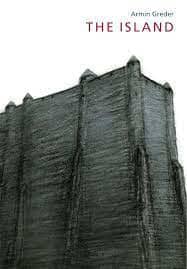
This is a powerful picture book suitable for upper KS2. When the inhabitants of an island discover a naked man and his tattered raft washed up on their beach, they are reluctant to take him in because he seems so vastly different. The islanders refuse to give the man a job or treat him as their equal. As their fear and hatred grow and grow, the islanders eventually send the man to death, opting to turn their island into a stark fortress where strangers are not accepted. The Island is a captivating story that serves as a good starting point for discussions about prejudice and how a society can be shaped by the way it deals with people who have physical, spiritual or cultural differences.

A favourite non-fiction pick from our 50 Recommended Reads for Year 5 booklist, this a suitable book for helping children aged 7-11 to learn about the science of bacteria, viruses and microbes. The book is packed with information, diagrams and photographs covering different areas of microbiology in a child-friendly way, including how germs behave, why microbes are important, how viral infections spread and how our bodies fight viruses.
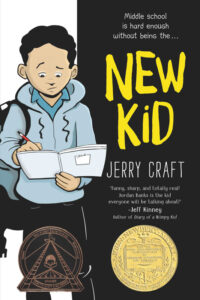

A gripping graphic novel. For those who like true-to-life drama in their graphic novels rather than fantasy or whacky humour, this is a superb read that really packs a punch.
The story follows twelve-year-old Jordan as he tries to fit in at a new school. The challenges of blending in at an elite, non-diverse private school become quickly apparent. This insightful story is poignantly told through words and pictures, and explores themes of racism, fitting in, prejudice, moving schools and confidence.
A perfect choice for reflective Year 6 children who like to think about wider social themes and are getting ready to move schools for themselves.
review
Year group(s) the book is most suitable for:
Year group(s) the book is most suitable for:
Does the book contain anything that teachers would wish to know about before recommending in class (strong language, sensitive topics etc.)?
Does the book contain anything that teachers would wish to know about before recommending in class (strong language, sensitive topics etc.)?
Would you recommend the book for use in primary schools?
yes
Curriculum links (if relevant)
Curriculum links (if relevant)
Any other comments
Any other comments