Recommended children's booklists sorted by age or topic

Topic: History

A hoard of information about the Vikings, including aspects of their history, culture, mythology and legacy.

Author Jack Tite digs deep into the topic to find the most interesting snippets of information, presented alongside stylised graphic illustrations and fold-out pages that give the pages an extra wow-factor, enabling an impressive tree of life diagram on one page, a lengthy longboat diagram on another and a detailed timeline on another still.

Highly recommended!

Chapter book
resources-available

She Wolf is a Viking adventure story set in the cold, harsh winter of Northumbria, AD 866. Ylva (pronounced eel-va) witnesses her mother’s tragic death, which instigates her hunger for revenge – after all, that is the Viking way. Her target: the three-fingered man. Ylva has been taught to survive; no crying will do and with the Norse Gods on her side, she knows she doesn’t need anyone else to help.

The twists and turns along the way make this an edge-of-your-seat kind of story through which the reader learns just as much as Ylva does. The descriptions in the book put you right there in the thick of it with the characters, and when a story involves survival against wolves, bears and brutal hunters.

More suitable for mature KS2 readers, there is no doubt that this is a master class in Viking culture, drama and suspense. Sheer brilliance from Dan Smith.

Non-fictionPicturebook

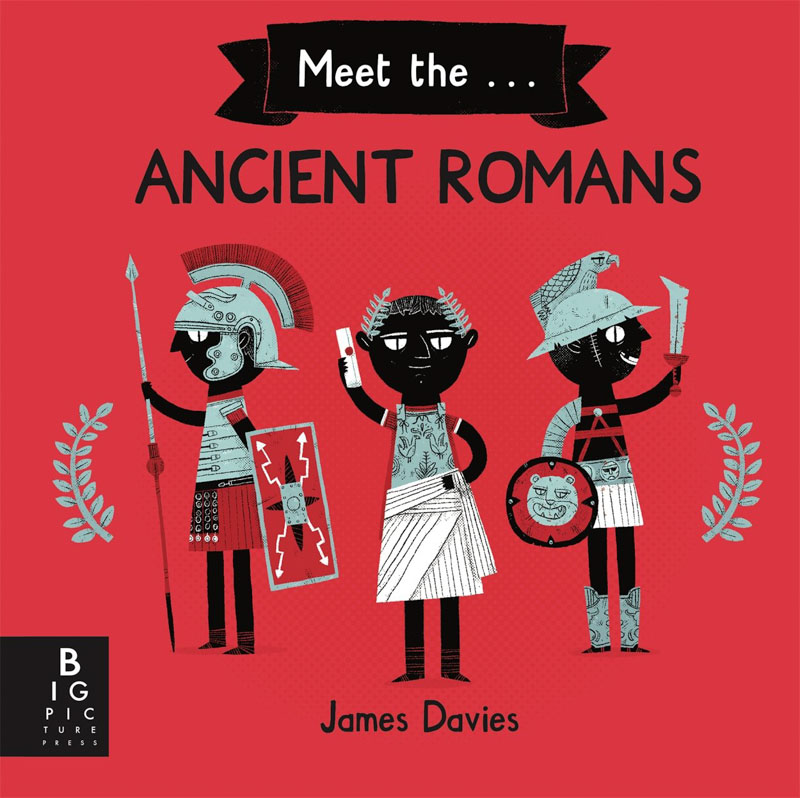
A picture-book style non-fiction text about the Romans. Each page has a short chunk of text accompanied by simple, bold illustrations or infographics.

Humorous and stylish without compromising on factual content, this book is a popular choice with reluctant or younger readers.

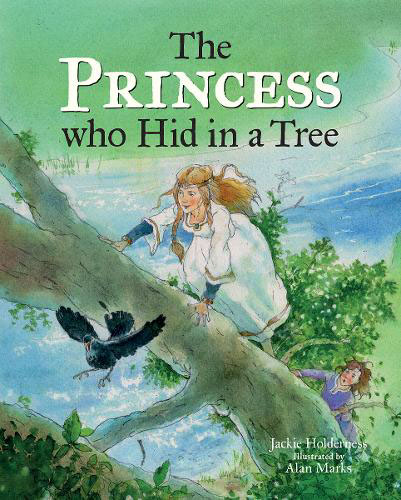
It’s rare to find picture books based on the Anglo-Saxons and equally rare to find Anglo-Saxon stories featuring female protagonists. This book covers both.

The Princess Who Hid in a Tree tells the story of Frideswide, a female saint who helped to found Oxford during Anglo-Saxon times. Frideswide is a feisty young princess who loves climbing trees. After being kidnapped by King Algar of Mercia, she uses her skills to escape. Frideswide went on to found Oxford’s first Saxon church, which became Christ Church Cathedral, and she is still the patron saint of both the City and University of Oxford.

Her story includes adventure, suspense and a few surprises, captured in this picture book with Alan Marks’ stunning artwork.

Empire’s End: A Roman Story is part of the VOICES series that celebrates the lives of diverse protagonists during key eras of British history.

This book tells the tale of a young North African girl who sets out on a danger-filled journey to Britain during Roman times. This is a gripping adventure that offers a new perspective into the myriad of Roman narratives shared in schools and is full of details that immerse readers in knowledge of life in Roman times.

The story helps to develop an understanding of the Roman world as one that was full of many different cultures, religions and ethnicities.

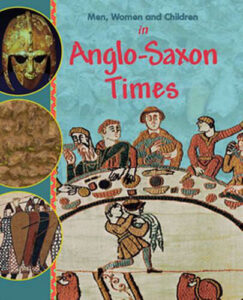
An accessible information text designed especially for the National Curriculum, this is a text pitched for teachers and pupils of lower KS2.

Taking an investigative approach to history, The History Detective Investigates Anglo Saxons examines key questions and pieces of evidence from the period in order to shine a light on the period that is sometimes known as the Dark Ages.

Published in collaboration with The British Museum, this children’s information book offers a humorous and informative introduction to daily life in Ancient Rome and has a high appeal to readers in KS2.

Through words and pictures, the book compares modern-day life for children to different aspects of daily life for the Ancient Romans, including clothes and hairstyles, education, family life, pets, food and hobbies. The book sets itself apart from the myriad of other non-fiction texts about the Romans as each topic is viewed through the eyes of a child. Did you know, for example, that emperor Elagabalus was a cheeky prankster who was known to feed his dinner guests food made of wax? If you think that your school has too many rules, wait until you read about the vow that new students at gladiator school had to make. And the next time you begin to think that your bedroom is too small, spare a thought for Roman slaves, who often had to sleep in the doorway to their master’s bedroom.

This is the third in the ‘So You Think You’ve Got it Bad’ series, with the other titles focusing on Ancient Egypt and Ancient Greece. This is the kind of non-fiction series that makes the information visual, presenting facts through speech bubbles, diagrams and bright cartoon-style illustrations as well as accessible chunks of text.

This is the kind of book that helps young readers to move beyond hard facts and begin to reflect on what life might have felt like for those living in ancient times.

A super-fun novel by Jeremy Strong that tells of the crazy adventures of Perilus, a Roman boy who dreams of riding chariots in the Circus Maximus.

Romans on the Rampage is a laugh-out-loud and easy-to-read story offering a bit of light relief and is perfect to read aloud to lower KS2. There’s also a free accompanying Teachers’ Resource Pack available.

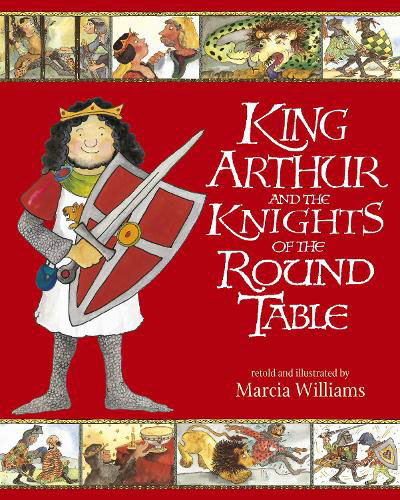
Marcia Williams embraces the Romans topic with her distinctive comic-book style.

This informative text covers a range of sub-topics featuring key people, places and myths. This is a book with a high level of visual appeal and is particularly popular for engaging reluctant readers.

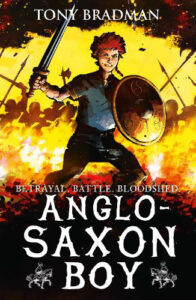
As the saying goes, history is written by the victors, and with the Celtic tribes of Ancient Britain leaving no records, we only have the Roman accounts of what happened during Boudicca’s revolt. Tony Bradman has taken details from Tacitus’ description of the Iceni queen and the battles she led to create a vivid and gripping story told by Rhianna, who witnesses the events of a turbulent time in British history.

After the king, Prasutagus, is poisoned, Boudicca defies the Roman rulers, with an awful punishment inflicted on her and her daughters. Boudicca plots her uprising to shake off the yoke of Rome, drawing the support of other tribes. Despite her love for Boudicca, young orphan Rhianna is only too aware of the darkness she reveals, with terrible revenge wreaked upon the inhabitants of the Roman cities as they are burned to the ground. At the final great battle, where the tribes’ defeat seems certain, an act of mercy gives Rhianna a means of escape and hope for the future.

The story of Boudicca’s revolt has resonated down the centuries, and whilst undoubtedly courageous, if foolhardy, to take on the might of the Roman army, Tony Bradman has also felt that there was something dark about the rebellion. His story aims to give young readers an understanding of the motivations that led to the uprising while opening up discussion on a range of ideas.

Subscribe to our newsletter

Your Review

Stone Girl Bone Girl

review

Year group(s) the book is most suitable for:

Year group(s) the book is most suitable for:

Does the book contain anything that teachers would wish to know about before recommending in class (strong language, sensitive topics etc.)?

Does the book contain anything that teachers would wish to know about before recommending in class (strong language, sensitive topics etc.)?

Would you recommend the book for use in primary schools?

yes

Curriculum links (if relevant)

Curriculum links (if relevant)

Any other comments

Any other comments