This is a picture book about the Great Fire of London, written by a primary teacher who was inspired to create it after teaching the topic for many years. It follows the events of the Great Fire as seen through the eyes of a tiny flea called Vlad who lives on the back of Boxton the rat. The two friends visit the bakery on Pudding Lane and witness the start of the fire before they join the masses of people fleeing the fire. Vlad and Boxton travel through the burning streets of London, watching the houses being destroyed and passing Samuel Pepys as he buries his most precious possessions. We were really struck by the images of the London refugee camps at the end, drawing striking comparisons to current day events and experiences. The author also offers school visits and resources via her website.
Millions is the humorous tale of a not-so-great train robbery. Damian and Anthony are brothers who unwittingly find themselves in possession of a large amount of money after being caught up in a train robbery. The pair have big decisions to make, needing to reconcile their wildly different ideas about what to do with the cash. You may also like Framed by the same author.
Written especially for young readers, Toby and The Great Fire of London tells the story of Toby’s experiences of the Great Fire of London. A great short story for KS1, with detailed cartoon-style images that bring the events of the Great Fire to life.
Delve into the fascinating tales of outlaw Robin Hood and his merry men. The tales are retold in Marcia Williams’ distinctive comic book style, with speech bubbles and many humorous details in both the text and illustrations that pupils will love.
An exciting non-fiction text that will capture pupils’ interest through its quest to find the real story behind the Great Fire. The Great Fire of London Unclassified is a popular choice for guided reading, especially for those looking for a text with a less ‘cartoony’ feel to it than most of the other non-fiction options for this topic.
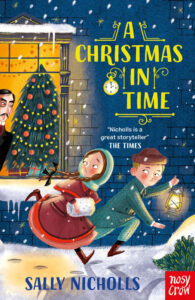
Time slip adventures are the order of the day in A Christmas in Time (Nosy Crow) by Sally Nichols and Rachael Dean. Alex and Ruby fall through a magic mirror and land just before Christmas in 1873.
There’s plenty of fun to be had preparing for a Victorian Christmas, and a host of old traditions are explored. The two children also learn of the misfortune and peril faced by many during this period. Goodwill and festive spirit abound, though, and this makes an enjoyable and fast-paced Christmas-time read for fans of historical fiction or those wanting to learn about a Victorian Christmas.
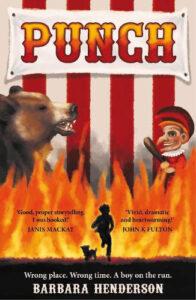
Readers of ‘Punch’ will find themselves quickly immersed in its world of the darkened streets of late Victorian Scotland. After being accused of setting the local market place on fire, twelve-year-old Phineas flees and soon finds himself in the company of a travelling puppet show. As Phineas learns the art of puppetry, he feels unsure who he can really trust and begins to confront some difficult memories from his past. There is a real contrast between the sense of darkness that never really leaves Phineas and the gleeful escapism of the travelling show. This text is suitable for upper KS2, and especially well-suited for those looking for a Scottish setting.
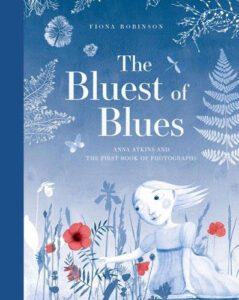
A beautifully presented picture about Anna Atkins, who is acknowledged to be one of the first women in the world to take a photograph, and one of the first people to publish a book of photographic images.
After being given a camera in 1841, Anna was excited by this new process, but it was her introduction to Herschel’s discovery of cyanotype printing that sparked a passion for cyanography; the process of using chemicals that react to sunlight to dye paper and print images. In the book, the author’s own drawings and cyanotypes are combined with reproductions of Anna Atkins’ original work.
Anna’s father, a scientist himself, is represented throughout the book as a passionate role model who continually inspires Anna, as well as encourages her to pursue an interest in nature and science, which, during Victorian times, was an unusual freedom for women.
The Bluest of Blues feels very topical and relevant for this generation. The story reminds us of the important role that pioneering women in history have contributed to science and art over the years.
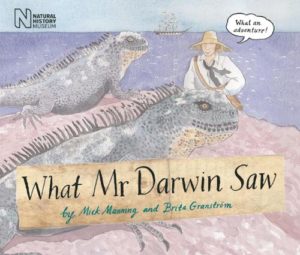
This highly illustrated picture books introduces readers to the life and legacy of Charles Darwin. Through diary-like text sections, cartoons and captions, the story offers insight into Darwin’s life and how his understanding of evolution developed through real life experiences with nature. Also available from the same author-illustrator team are The Wordsworths and The Brontes.
A mystery story set in Victorian times.
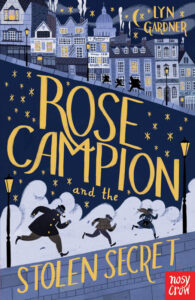
Rose Campion is an orphan who has been drawn into the glamorous world of musical theatre. One day, when a popular actor mysteriously disappears, the veneer of the colourful music hall scene begins to fall apart. Rose must use all of her skills and resources to face the troubling reality of the crime and grime of Victorian London.
Rose Campion and the Stolen Secret is a well-written mystery story suitable for Years 4-6.
review
Year group(s) the book is most suitable for:
Does the book contain anything that teachers would wish to know about before recommending in class (strong language, sensitive topics etc.)?
Would you recommend the book for use in primary schools?
yes
Curriculum links (if relevant)
Any other comments
Any other comments