Recommended children's booklists sorted by age or topic

Resource Available: No resources

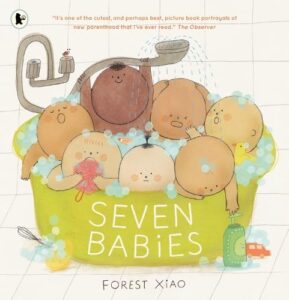
When seven babies turn up on a doorstep in a cardboard box, a day of quiet mayhem begins. There is a lovely, dry humour to the way the babies take over the daily routine (splashing in the bath and helping with the laundry) while the family looks on in bemusement.

This has the feel of a classic. The minimal text lets children lead the way, hunting for witty clues in the pictures. The babies are joyfully portrayed in the illustrations and their expressions and movement will evoke delight.

This is a charming read-together book that flips the script on who is really in charge. Ending with a question about where the box of babies might land next, it is a great choice for a Preschool book corner and a perfect prompt for getting children talking about families, siblings and domestic routines.

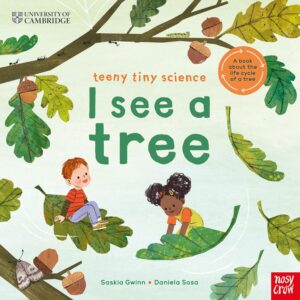
This beautifully illustrated non-fiction book is part of the ‘teeny tiny science’ series and is a wonder additional to any bookshelf.

The book takes the reader on a journey through the lifecycle of a tree. Beginning with the seed (in this case an acorn) the pages show the different stages the acorn goes through before eventually developing into a magnificent oak tree. It also highlights the changes through the seasons too and who gets to enjoy the tree as it grows.

‘I see a tree’ is also a good starting point for children to think about other types of trees and how they develop, making it a lovely way to encourage curiosity about the natural world around them. It links well to the local environment too. Why not take the book outside and and see if the children can spot some of the stages of a tree’s lifecycle for themselves?

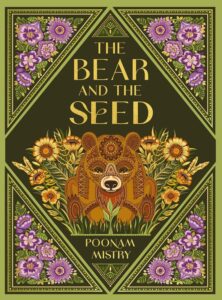
A gorgeously lyrical folktale about the importance of protecting our environment by Greenaway-shortlisted Poonam Mistry.

Bear lives in the bountiful forest, filled with breathtaking flowers and plants, and trees that tower up to the sun. One night, the trees and plants disappear and when the animals wake up, they begin to flee the forest in grief.

But when Bear finds a lonely seed, he works tirelessly to help it grow, seeking words of advice from the few animals that pass by. He shades it from the harsh wind and cold snowy season, but nature’s power is unavoidable and soon it is time for him to hibernate. Bear hopes that by the time he wakes up, his determination will help the forest renew.
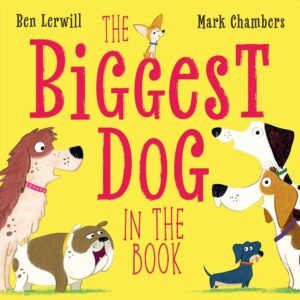
This colourful and high energy read-aloud is so much fun for early years children to enjoy, and dog-lovers especially will enjoy its playfulness.

The story follows a series of dogs, from tiny Agnes the Chihuahua to scruffy Shelby, each hoping to claim the title of the biggest dog in the book. It’s a lot of fun watching the dogs get bigger and bigger as the pages turn.

The repetitive ‘he is not the biggest dog’ refrain is perfect for shared readings, as children will quickly join in with the storytelling.

With its vibrant illustrations and a fun fold-out flap at the end, this is a joyful celebration of dogs of all shapes and sizes.

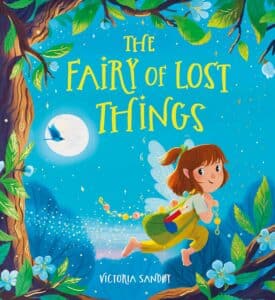
Have you ever lost something and thought it was gone forever, when suddenly it has magically reappeared? If so, that might be the hard work at the Fairy of Lost Things! She is tireless in her work of returning lost things that children lose, whether it be a kite, a bear or a ball.

The Fairy of Lost things always returns the items as soon as she can, until one day when she finds something so pretty that she wants to keep it for herself. Soon, she finds herself so engrossed with the stolen item, that she starts to forget about all of the children who have lost things and the park starts to become cluttered and full of lost things. It is not until she befriends a magpie, that she realises what she must do.

The Fairy of Lost Things is a lovely storybook which explores themes of kindness, honesty and courage. It is full of beautiful illustrations which almost seem to sparkle and show the fairy’s magic. We really enjoyed reading this story and talking about the decision the fairy made.

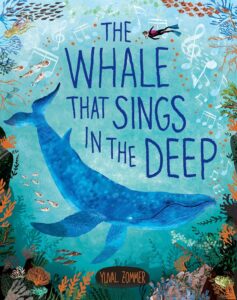
There is a lovely trend for narrative non-fiction, and I think this book fits into that category perfectly. It is the story of the whale, and it is packed with facts, as well as a double page spread of facts at the end.

Yuval Zommer is an artist, each page filled with exquisite detail, designed to be gazed at and enjoyed as well as to inform. The colours are rich and alluring, and the pictures contain movement – most appropriate for a whale’s journey through the ocean. The text is simple but also informative with small repetitions throughout. In places the font moves with the pictures as if it was moving with the motion of the sea.

This book also contains themes of marine conservation, touching upon the impact of humans on the whale and the ocean in general. The depth of this text is that it can be used by a wide range of age groups as well as just being enjoyed for the wonderful illustrations.

This is a sweet story about finding wonder all around. It follows Daniel on a grey, rainy day where everything feels flat and dull, until he starts noticing the flashes of joy, beauty and wonder in the world around him.

The use of colour is what makes this story special. The illustrations start in muted greys to mirror Daniel’s mood, and, beautifully, as he shifts his perspective, brilliant bursts of colour begin to drop onto the page.

This is a moving and powerful story with lots to notice and discuss, and a reminder to seek out the magic in the everyday.

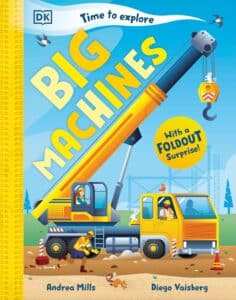
Time to Explore Big Machines follows the journey of a new apartment block being built. It starts with demolishing an old building all the way to the new families moving into the newly built apartment block. Each page introduces a new machine and explains some facts about it and also the important job that it does.

The illustrations are bright and colourful and have some much detail in them. The text is split into little chunks which make it easier to read. There are so many interactive aspects of the book which make it a great read. At the end of the book there is a big double page pullout which shows all of the big machines that you have met during the book.

This book is a great example of a factual book being suitable for the Early Years. A great book for any vehicle loving child!

What a stunningly illustrated and beautiful story by Bryony May Smith!

Meet Tiny Jenny  – a small, wingless fairy born into Mr & Mrs Wrens nest and brought up as one of their own. All is good until Tiny Jenny starts to question who she is and where she came from. So she sets out in search of those missing fairy wings and her true home.

Tiny Jenny is a strong, bold and feisty female heroine (not the fairy stereotype), who won’t take no for an answer. Mr and Mrs Wren are just as surprised when a tiny, wingless fairy hatches from one of their eggs. But they lovingly name her Tiny Jenny and raise her as their own. She digs up the squirrels’ nuts and blocks up mole hills. Her rebellious nature upsets the forest creatures and she begins to question her roots. But leaving her loving home doesn’t make it right. Only Tiny Jenny can make the changes and begin to realise the error of her ways.

Written with powerful twists and beautiful illustrations of magical woodland scenes, this will be a great classroom addition to share about knowing who you are and what is important to you.

Judy Wise’s debut non-fiction picture book is a beautifully crafted celebration of the natural world, combining engaging storytelling with important environmental themes. Through lyrical, rhyming text, young readers are invited to follow the footprints of a variety of fascinating creatures, from majestic animals to tiny minibeasts, discovering the unique stories they leave behind.

As the journey unfolds, the book gently introduces children to concepts of conservation, ecology and environmental responsibility. Wise highlights the contrast between the footprints left by wildlife and the larger impact humans have had on the planet.

The uplifting conclusion delivers a hopeful message, inspiring children to take small but significant steps to help protect the Earth and its inhabitants. Adding further value, the book incorporates factual snippets about the featured creatures and interactive elements, including a search-and-find activity and practical tips for helping the planet.

Subscribe to our newsletter

Your Review

Stone Girl Bone Girl

review

Year group(s) the book is most suitable for:

Year group(s) the book is most suitable for:

Does the book contain anything that teachers would wish to know about before recommending in class (strong language, sensitive topics etc.)?

Does the book contain anything that teachers would wish to know about before recommending in class (strong language, sensitive topics etc.)?

Would you recommend the book for use in primary schools?

yes

Curriculum links (if relevant)

Curriculum links (if relevant)

Any other comments

Any other comments