Recommended children's booklists sorted by age or topic

Topic: Refugees & Immigration KS1

When we first meet Sami he is remembering his homeland, his family and the friends he left behind when he fled. We see him playing by himself and feeling afraid of this new land where no-one speaks his language and he feels like he doesn’t fit in. When he visits a park with his mother a lonely little bird crashes into him. She is lost and asks Sami to help her find her friends. As Sami remembers where he has seen birds just like Little Bird he bumps into a little girl from his nursery but is too frightened to talk to her. He needs some persuasion! Little Bird encourages him to agree to playing with her and a new friendship is made. This book about a small child’s refugee experience will encourage understanding and plenty of discussion about how important it is to welcome newcomers into a new culture and new friendship groups.

As Lubna arrives in the World of Tents, so begins an emotional story about the power of friendship set against the background of the refugee crisis. Lubna’s best friend is a pebble, found on the beach as they arrived in the night. We are not told who ‘they’ are or where ‘they’ came from but throughout the captivating story there are many clues which help to build a picture of this family’s journey (for example, ‘she fell asleep in Daddy’s salty arms’). So it happens that a pebble becomes Lubna’s best friend – a friend to whom she can tell stories of her previous life, the life with her brothers and the life during the war. This picture book is a good introduction for younger children to the refugee crisis and the power of friendship.

Dyslexia-friendlyPicturebook
resources-availabledyslexia-friendly

A beautiful, empathy-boosting picturebook written and illustrated in an accessible format for children of all ages to understand the plight of a refugee family as they try to cope in a new environment. The direct questions involve the reader or give an adult the chance to develop discussion.

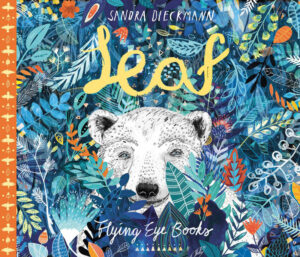
Leaf is a truly exceptional picture book. In very few words, Sandra Dieckmann is able to delicately touch upon several global issues. The story revolves around a polar bear who floats on an iceberg unwillingly (and unnaturally) to an island where he is not welcome by the inhabitants. The words tell half of the story, with, ‘the strange white creature carried upon the dark waves towards the shore.’ However, the illustrations manage to portray the significance of the situation, with the polar bear staring face down into the abyss as he floats further away from his natural home. The story doesn’t spell out why the polar bear is floating away from his home, but the message is poignant and delicately hits all of the right environmental notes. As a classroom practitioner, books like this are priceless as they open up conversations that may otherwise be too awkward or taboo.

Subscribe to our newsletter

Your Review

Stone Girl Bone Girl

review

Year group(s) the book is most suitable for:

Year group(s) the book is most suitable for:

Does the book contain anything that teachers would wish to know about before recommending in class (strong language, sensitive topics etc.)?

Does the book contain anything that teachers would wish to know about before recommending in class (strong language, sensitive topics etc.)?

Would you recommend the book for use in primary schools?

yes

Curriculum links (if relevant)

Curriculum links (if relevant)

Any other comments

Any other comments