Recommended children's booklists sorted by age or topic

Topic: Reception 50 Recommended Reads

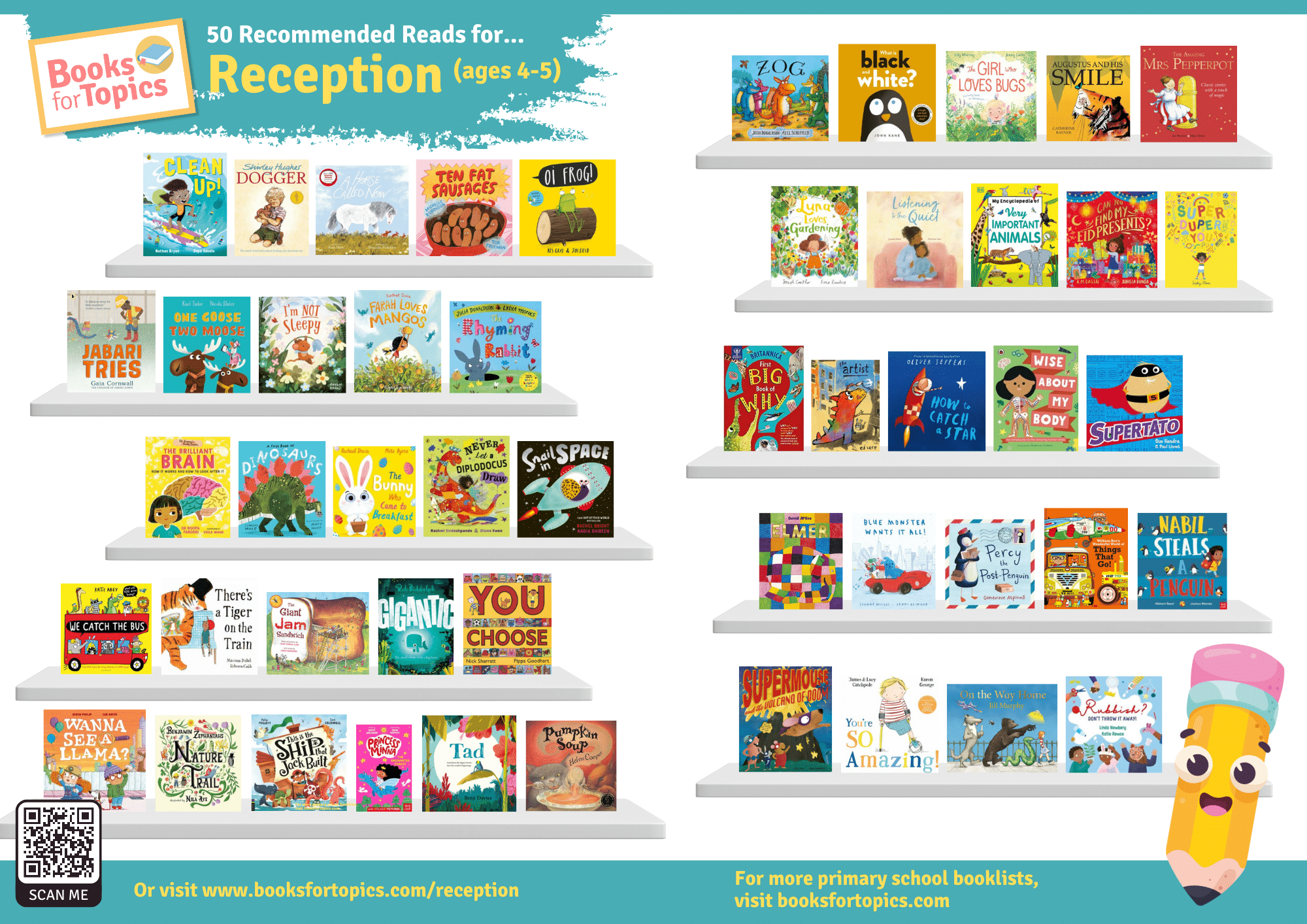
Best Books for Reception (Children Aged 4-5)

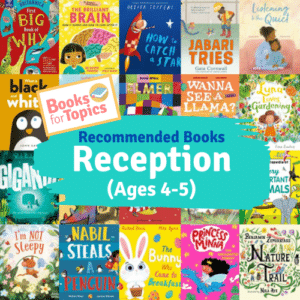
We’ve hand-picked a list of 50 recommended books to read with 4- and 5-year-olds. Update your class library or home book collections with this list of the best Reception books, covering everything from rhyming frogs and pesky punctuation to round-the-world adventures and journeys inside the human body. Not to mention the odd heroic potato or a giant who lives in a shoe, too…

reception best booksThe Reception year of primary school is an important phase in developing children’s love of literacy, and it is vital to offer children a choice of high-quality and appealing books, matched to their age and stage. The BooksForTopics Reception Booklist includes popular Reception stories such as Supertato, Oi Frog and Elmer, as well as some lesser-known storytime delights that we highly recommend, like Pumpkin Soup and Jabari Tries.

This list of books for reception has been carefully curated with help from our team of teachers, reviewers and children’s reading experts. From classic tales and funny read-alouds to new releases and information books, we’ve included books to suit all different tastes on this Reception booklist.

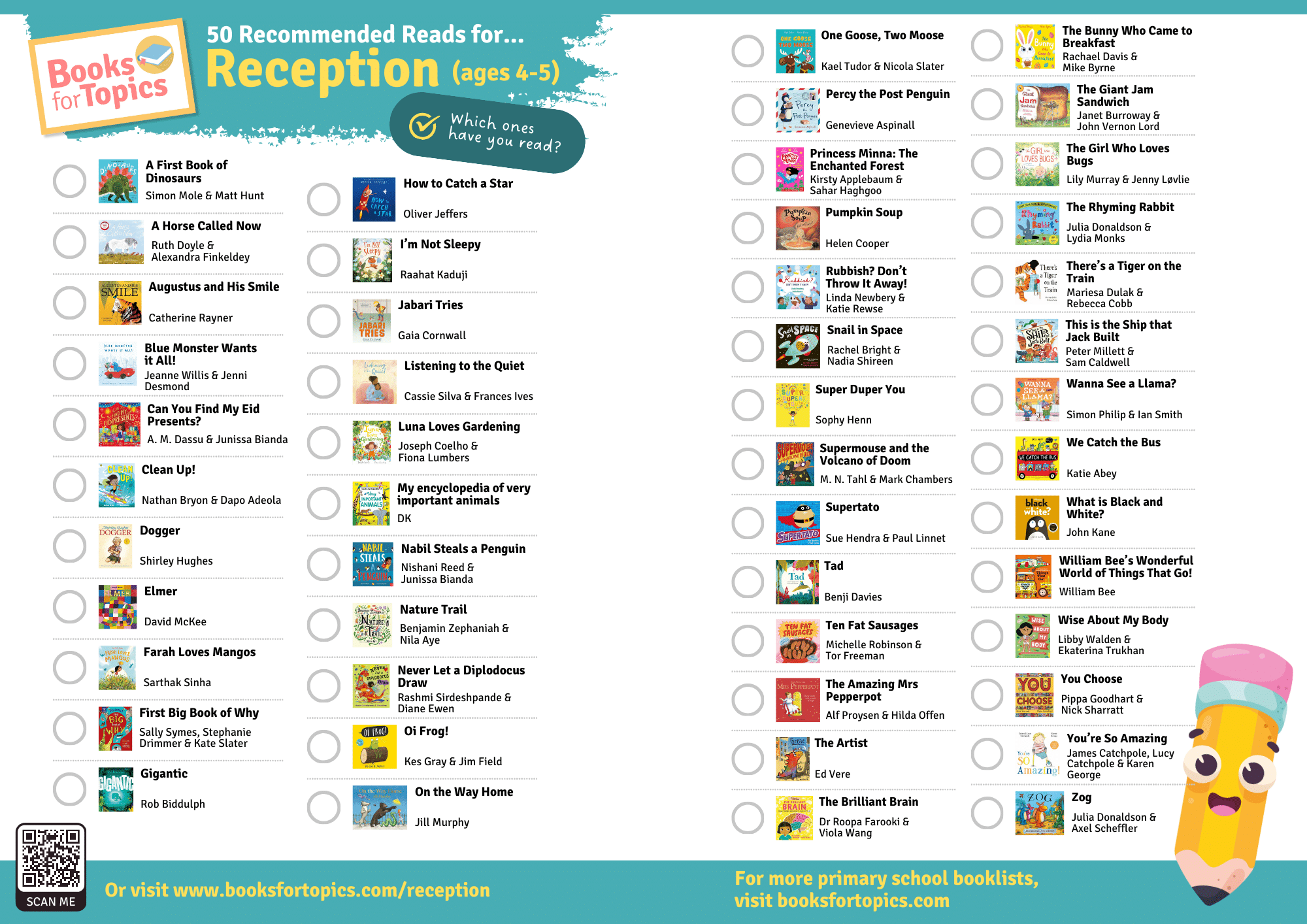
As well as the Reception recommended reading list below to browse, we’ve also got a printable poster, a downloadable checklist and a handy bookmark for you, and schools can purchase full sets of the 50 books via Peters.

Browse the Reception booklist below or click on each book to find out more. Scroll down to find more purchasing options and printable resources.
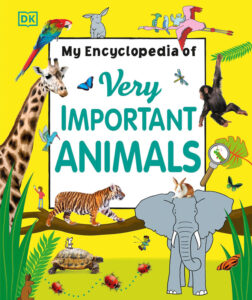
We highly recommend DK’s ‘My Very Important Encyclopedia’ series, which also features volumes on dinosaurs, oceans and sport. It is not easy to find comprehensive non-fiction books that are suitable for the younger age range, but the spacious pages, simplified text and high ratio of images (both photographs and illustrations) make this is a brilliant choice for Early Years Foundation Stage and Key Stage 1 children.

Each page in this animal book features a different animal, giving information in simple language with bright colours, speech bubbles and text boxes to break up the information into bite-sized chunks.  It feels like a real encyclopedia, but is perfectly pitched for the youngest readers without having any overwhelming chunks of text or overly complicated diagrams.

This absolutely super young non-fiction series will become a go-to for animal-loving children who are curious to learn more.

Picturebook
resources-availableteachers-favouriterecommended-read-aloud

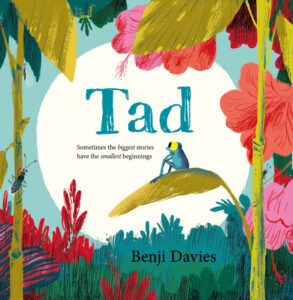
This is the story of Tad, the smallest tadpole among her siblings. Tad desperately tries to keep up with the others, not wanting to get left behind – especially as she has heard that ‘Big Blub’ is lurking in the depths of the water. Over time, Tad watches her siblings grow and change, and eventually make the leap out of the water as they become fully grown frogs. When the time comes for Tad to follow in their path, it will take a heap of courage to embrace the next adventure and leap into life.

This is a vibrantly illustrated nature story by Benji Davies, with plenty to spot and count. A good book for Reception or KS1 about life cycles, growth and change or facing new challenges.

The classic picture book The Tiger Who Came to Tea has brought joy to children and adults for over 50 years.  Author Judith Kerr is said to have written the book based on a bedtime story that she made up for her young daughters.

Sophie is all set for a quiet afternoon with her Mummy. The doorbell rings, and to her surprise there at the door is a big, stripey, furry tiger. The loveable tiger is welcomed in and wreaks a small amount of chaos, eating the food and drinking everything in sight.

The sheer joy of the afternoon tea with the tiger makes for a delightful story and is a crowd-pleasing storytime favourite for preschoolers.

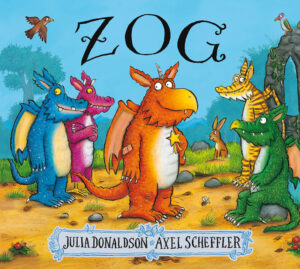
A firm favourite in Reception classrooms from national treasure Julia Donaldson. This is the story about a dragon called Zog, who is determined to try his best at dragon school but doesn’t always manage to win the teacher’s gold star. The story shows how perseverance and following dreams can lead to positive outcomes, and that different people’s strengths emerge in different situations.

This is an exciting and original story with a brilliantly strong rhyming structure. Zog is a memorable character and Axel Scheffler‘s bright illustrations of the different coloured dragons are a bit hit with young children. A great read-aloud for EYFS and a real modern classic.

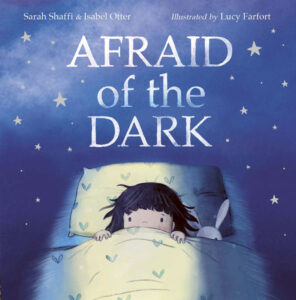
Today we are moving house but my new room is strange and scary. I don’t think I’ll ever be able to sleep…
A gentle first experience story about new beginnings, friendship and finding ways to cope with fear.

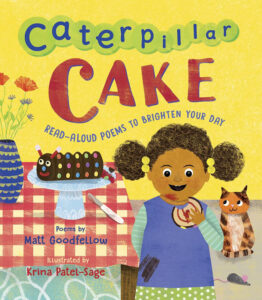
“Caterpillar caterpillar caterpillar cake – it’s the only thing that my mum can make!”

Would you like to eat a caterpillar cake? Join a rocket race into space? See crazy crocodiles at the zany zoo or play with a furry, purry cat? Wherever these 16 fun-filled poems lead you, they will brighten your day.

Splashing at the seaside, storytime at school, playing in the bath or riding home on Daddy’s shoulders – this brilliant, read-aloud collection for young children has lots to join in with and lots to explore in the brightly coloured illustrations.

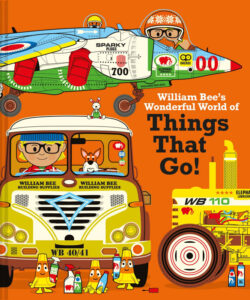
Children who love vehicles will adore Wonderful World of Things That Go.

With diagram-style illustrations of trucks, trains, boats, planes, tractors and farm machines, there are plenty of transport-themed facts to consider. Each page is adorned with cute cartoon animals and traffic cone characters who add to the fun of the book.

This information book for younger children helps readers to consider the purpose of each type of machine, including what jobs they help to do and what the essential parts of each moving machine are. The short sentences on each page give the information in a matter-of-fact way so as not to overwhelm young learners, while the pictures offer plenty to spot and discuss.

A winner of a non-fiction book on a very popular topic among children in their younger school years.

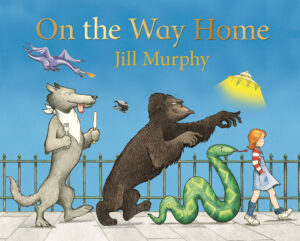
This is a classic children’s picturebook by Jill Murphy, also known for the Large Family books and the Worst Witch.

Claire’s knee is hurt and raises concern from those she meets on the way home. Flexing her imaginative muscles, Claire offers each friend a different unlikely tale about what happened to her bad knee – from big bad wolves and feisty dragons to hairy gorillas and sneaky snakes.  Reaching the safety of a loving Mum at home, Claire reveals the truth and enjoys some much-needed TLC.

This is the kind of book that gives natural opportunities for imagining extra scenarios to add to Claire’s tall stories about what happened to her knee. The ending is satisfying and we as readers know all along that the kind of attention Claire needs is not the kind that comes from inventing dramatic tales but the good old-fashioned attention of a loving carer.

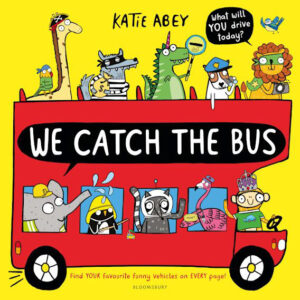
A popular transport-themed book with oodles of funny things for children to spot and choose between.

Each page is themed around a different type of transport, from buses and trucks to emergency vehicles and rockets, and displays an array of different cartoon examples, while the reader is asked to choose which one they would ride. Added details make the act of choosing on each page fun. On the trains page, for example, a steam train is filled with animals eating spaghetti and doughnuts, while an Elf Express is taking Lego to Santa’s workshop, and a slick intercity train driven by a sloth has a swimming pool carriage but also a wolf disguised in grandma’s clothing.

Children who like ‘You Choose’ style books will enjoy poring over this over and over again, as will transport lovers and fans of funny animal characters. It’s a great book for getting children talking and interacting, or for poring over independently and spotting something new each time.

Subscribe to our newsletter

Your Review

Stone Girl Bone Girl

review

Year group(s) the book is most suitable for:

Year group(s) the book is most suitable for:

Does the book contain anything that teachers would wish to know about before recommending in class (strong language, sensitive topics etc.)?

Does the book contain anything that teachers would wish to know about before recommending in class (strong language, sensitive topics etc.)?

Would you recommend the book for use in primary schools?

yes

Curriculum links (if relevant)

Curriculum links (if relevant)

Any other comments

Any other comments