Recommended children's booklists sorted by age or topic

Topic: Mental Health

Chapter book
resources-available

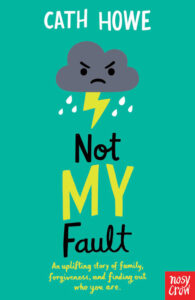
A story about two siblings (Maya and Rose) who no longer talk to each other after an accident in the playground, told through alternating chapters from the perspective of each sister. One sister’s narrative will resonate with anyone who has felt a build-up of unspoken anger, resentment or a desire for revenge, while the other’s will be relatable to readers who have ever struggled to speak the right words to influence a situation or relationship that feels beyond their control or who have borne the weight of unfounded guilt. Many young readers will easily empathise with both perspectives.

A week-long residential trip with school is exactly what the two girls need to bring their unspoken tensions to a crunch point that will bring change for good. This is a page-turning story with convincing narrative voices and a springboard into discussions about what happens when very big feelings stay bottled up inside.

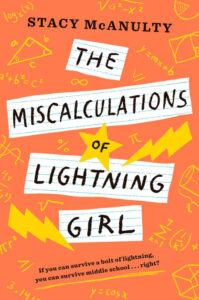
This is about a 12-year-old who became a maths genius after she was struck by lightning. She also developed OCD. Her grandmother, who is her carer, had home-schooled her since. But now that she is 12, she had to go to middle school and make friends of her age. Up to this point, her friends were online math geniuses. Her new math teacher spotted the fact that Lightning Girl was not showing her full potential. Teachers like Mr Stoker are a gift to all parents. The writing is quick paced, rhythmic and page-turning. The characters are compelling. A really good read.

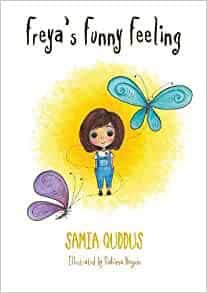
This book is a must for any environment involving children. It helps the reader deal with any situation where a child might feel uneasy or nervous. Beautiful illustrations and the perfect storyline. Freya is just charming and very relatable. A useful SEN tool too.

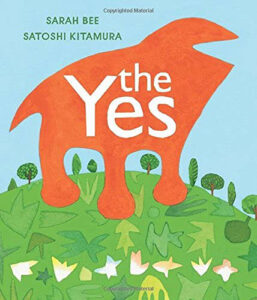
The Yes is a powerful picture book that cleverly illustrates the power of a positive attitude. All the nos” teem and seethe and pick and nip, but The Yes ignores them and carries on with what it wants to do. All children I have read this book to have responded strongly to it. Some have seen “the nos” as external negative influences, some have seen them as internal negative thoughts. All though have internalised the message that it is important not to let negative messages take over and dominate. A useful book for exploring self-belief and self-doubt.

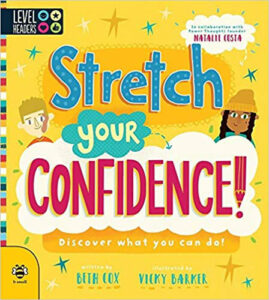
Confidence is like a muscle, and everyone’s confidence can benefit from a bit of coaching to stretch and strengthen that muscle. Following tried and tested techniques, children will learn how to build empathy and interact with confidence. From dealing with friendship wobbles to embracing mistakes and coping with change, the activities at the heart of this book are designed to help children discover just what they can do.

Chapter book

This book (best enjoyed by ages 11+) is about Alfie, who has lost his mother to cancer, and Alice, a mysterious girl who becomes his friend. Alfie is literally lost, as is his father, after the death and neither can speak to each other about how they are feeling. Based on the author’s experience of a child in the same position it explores the feelings around loss and the importance of expressing emotion.​

This teaches us all to be less perfectionist; it’s perfectly ok to be good-ish at something. The enjoyment and satisfaction are in the doing.

Cloud Boy is a beautiful, heart-breaking dual narrative that links the stories of Harry, who is diagnosed with a brain tumour in modern times, and Gertie, who was taken prisoner in Changi, Singapore during WW2, through Gertie’s granddaughter and Harry’s best friend – Angie Moon.

Harry enjoys cloud spotting and is an expert on the different types of clouds; Angie is an artist who loves to paint; and Grandma Gertie is a dab-hand at sewing. Marcia Williams’ story cleverly weaves the two narratives together through a series of diary entries and letters, based – in part – on real-life memories around the creation of the Changi Quilt.

It is a magnificent exploration of human bravery, determination, kindness and love, while also expertly exposing the denial, anger and hurt experienced in different ways by each of the characters in response to their experiences.

This tale of friendship, love and loss will stay with you long after you have read the final page.

Ruby’s Worry is arguably the most accessible mental-health-themed picture book that my class has come across. Percival depicts a ‘worry’ with a yellow orb that appears next to Ruby one day and continues to grow when she ignores the shadow-like entity, simply hoping that the worry will disappear of its own accord. When she meets another child with their own ‘worry’ and asks them about their feelings, she realises how to rid herself of worries –  she needs to talk about them. This book has sparked meaningful class discussions, supporting pupils to understand that ‘it’s okay to not be okay’.

This is one of the most important books to share with young people. It teaches them about sharing their troubles rather than letting them spiral out of control.

A brilliant resource for UKS2 children to dip into – probably most useful in the transition to secondary school. Anna Williamson is a trained therapist and Childline counsellor. She has packed her mental health guide with support and guidance perfectly pitched in a chatty, informal style which is both practical and reassuring, without being overwhelming. The information is presented honestly and openly which will hopefully encourage questions and discussions. Sophie Beer’s illustrations and the bright colours used throughout make this appealing to pick up and explore. I think this book is spot on in its approach to supporting children to develop strong emotional well-being, resilience and belief in themselves.

Subscribe to our newsletter

Your Review

Stone Girl Bone Girl

review

Year group(s) the book is most suitable for:

Year group(s) the book is most suitable for:

Does the book contain anything that teachers would wish to know about before recommending in class (strong language, sensitive topics etc.)?

Does the book contain anything that teachers would wish to know about before recommending in class (strong language, sensitive topics etc.)?

Would you recommend the book for use in primary schools?

yes

Curriculum links (if relevant)

Curriculum links (if relevant)

Any other comments

Any other comments