Recommended children's booklists sorted by age or topic

Topic: Top-Notch Non-Fiction

Non-fiction, Picturebook

What does a venus fly trap eat?
How strong is a giant water lily?
Does a cactus flower?
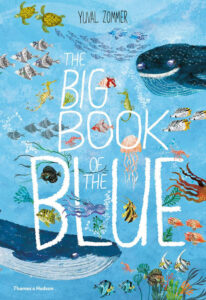
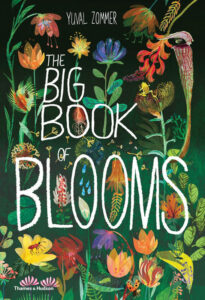
The newest addition to Yuval Zommer’s bestselling series answers these questions and more as it introduces young children to all kinds of colourful, carnivorous, weird and wonderful flowering plants from around the world. It opens with introductory spreads on how to be a botanist; how to recognise different types of flowers; the life-cycle of a plant; flower anatomy; and the seven types of animal pollinators including bats, birds and beetles. Subsequent spreads, illustrated within various habitats, are dedicated to specific varieties of plants, including the carnivorous venus flytrap, the giant water lily and the weird and wonderful corpse flower. Readers will enjoy learning about different edible flowers and why flowers are fragrant or colourful, not to mention grisly details about carnivorous and poisonous flowers.

Non-fiction, Picturebook
guided-reading-choice

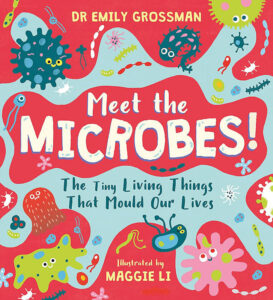
Meet the Microbes is a captivating insight into the tiny creatures that live under our noses and have a massive impact on our lives despite only being visible through a powerful microscope. Through the colourful and lively pages, children will meet a succession of cartoon microbes and learn all about them. They will learn about where they can be found and how they multiply; how they survive in the most extreme of conditions; the jobs that they do and how they might be beneficial to our future.

By the end of the book, they will have reached an understanding that microbes can be both good and bad for our bodies and how we can avoid spreading the less desirable ones. They will be fascinated to find out that mould is formed from microbes and that some of their favourite foods such as yoghurt, fluffy bread and cheese would not exist without them. The language is accessible to younger readers and concepts are explained clearly.

This book would be an excellent accompaniment to science topics on human bodies or just a great addition to the non-fiction, reading for pleasure offer in the school library.

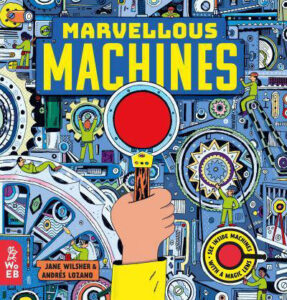
In this eye-catching book, readers can explore the hidden inner workings of machines and inventions, from mundane objects such as toasters and bicycles to cutting edge technologies such as pill-sized medical robots and super-fast maglev trains. Readers use the see-through magic lens to reveal how things work and the elements hidden within machines – everything from wires and pipes to the magnetic and gravitational forces machines rely on to function.

Accompanying text explains how these machines function, how they affect our daily lives, and the physical and chemical phenomena that enable them to work.

Non-fiction, Picturebook

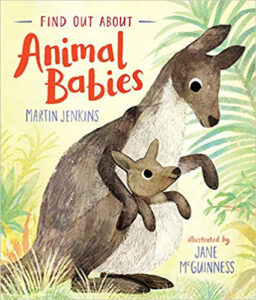
A colourful and gentle introduction to the concept of animal babies for young children.

All animals have babies, but not all babies are the same! From big babies to little babies, babies that look like their parents to ones that don’t, this beautiful picture book is a perfect introduction to different kinds of animal babies, from the award-winning author Martin Jenkins and illustrated by up-and-coming talent Jane McGuinness.

This impressive hardback is the closest thing you can get to a museum in book form. Suited to more mature readers in KS2, the book exhibits aspects of marine biology, diverse ocean habitats and environmental conservation. This is a beautiful large-sized non-fiction with full-page colour illustrations to pore over and plenty of scientific detail and vocabulary to learn. Oceanarium is a book to treasure and for readers who want even more, there’s an accompanying activity book available too.

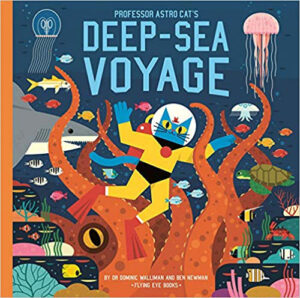
We are huge fans of this series at BooksForTopics HQ. Take a dive through the different layers of the ocean to the deepest trenches below with our favourite feline scientist, Professer Astro Cat. Each double-page spread offers a highly visual array of facts themed around a different stage of the sea voyage. Starting with fun on the seashore (did you know that most of the white sand in Hawaii is actually parrotfish poop?), we then join Professor Astro Cat as he boards a sea vessel and takes a crash course in navigation and ocean weather. The animals don their diving gear and explore the kelp forests and continental shelf of the shallow zone (find out how the torpedo ray can kill small fish with a 200-volt electric shock) before progressing deeper to discover a host of creatures including sharks and cephalopods. Going deeper still, Professor Astro Cat explores how the bigger and smaller creatures are connected via the food web before heading into the very darkest zones and deepest trenches (where you’ll find out how zombie worms got their name). Every page is highly visual down to the tiniest detail and the selected information is at once interesting and informative, allowing readers to delight in their newfound knowledge and quickly feel like an expert. The book is well suited to children in terms of reading level, design style and interest range.

A hilarious books of animal interviews with underwater creatures, from ocean giants like blue whales and orcas to deep-sea dwellers like anglerfish and conger eels. The interviewer quizzes his oceanic guests on life in the deep blue sea – from what they eat and how they swim, to dangers they face and where their names come from. True to style, Andy Seed packs a lot of humour into the interviews and the creatures’ personalities shine through hilariously. The Q&A format breaks the information into bite-size chunks, making it a brilliant choice of book for readers to dip into at their leisure and to find some interesting facts to take away each time they do. With lively colour illustrations by Nick East, this is a highly enjoyable information book that will be sure to make a splash with readers in lower KS2.

This large-sized informative compendium about ocean life is the kind of non-fiction that children like to come back to again and again to pore over its pages.

Each double-page spread dives into a different sea-themed question, such as ‘Are jellyfish made of jelly?’ or ‘Why do crabs run sideways?’.

There is never too much text on each page, but what you find is accessible chunks of information cleverly interspersed into each ocean scene. The illustrations are stunning and come together to make wonderful spreads that serve as a treasure trove of visual delights for young eyes, as text and pictures work together to build an understanding of underwater habitats and the life they hold.

Introduce children to the wonders, history, culture and customs of the United Kingdom with The Big Book of the UK. Learn about the sport of “dwile flonking”, find out where black diamonds come from, ,eet the supernatural animal that haunts the Scottish Highlands and discover the British sweets that helped Hillary and Tenzing scale Everest. Filled with facts about wildlife, food, sports, geography, language and some very silly place names, this book will help you uncover national secrets and unearth local legends from England, Wales, Scotland and Northern Ireland.

From the author of the BBC’s children’s book Blue Planet II, this book takes you on a breathtaking tour of our planet – from towering mountaintops, through grasslands, jungles, rivers, deserts, polar wildernesses and into the blue ocean – to discover the incredible variety of life that calls it home. Along the way, read the stories of 35 inspiring Earth Shakers – children and adults, from tree-planters to scientists, from all around the world – who have taken action to protect it.

Plus, there are lots of practical tips and handy resources inside that give you the tools to make a positive change today. Every budding young activist will be inspired to make a change for a better future.

Subscribe to our newsletter

Your Review

Stone Girl Bone Girl

review

Year group(s) the book is most suitable for:

Year group(s) the book is most suitable for:

Does the book contain anything that teachers would wish to know about before recommending in class (strong language, sensitive topics etc.)?

Does the book contain anything that teachers would wish to know about before recommending in class (strong language, sensitive topics etc.)?

Would you recommend the book for use in primary schools?

yes

Curriculum links (if relevant)

Curriculum links (if relevant)

Any other comments

Any other comments