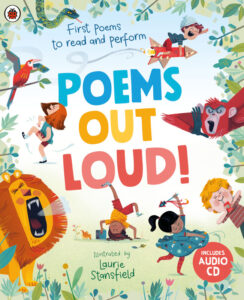
A collection of Julia Donaldson’s amusing poems and rhymes that are perfect for reading aloud and sharing. The laugh-out-loud poems about everyday topics are brimming with word-play and rhyme, making this collection an excellent choice for helping children to engage with poetry in an entertaining way.
A collection of poems for children who love solving brainteasers and cracking codes. The illustrated anthology includes riddles, acrostics, kennings and paradiddles (you’ll have to read the book if – like me- you didn’t already know what a paradiddle poem is…). There is also a section of the book designated to how to write different types of puzzle poems. A brilliantly fun introduction to poetry designed to get puzzle-loving children engaged with a variety of poetic forms.
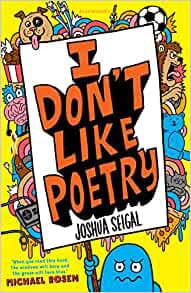
This collection of poems was shortlisted for the 2017 Laugh Out Loud Book Awards and it is not hard to see why, as each poem is designed to raise a chuckle. From the clever and witty to the downright silly, this imaginative collection of verses is likely to win over reluctant readers and be passed from pupil to pupil in KS2 classrooms.
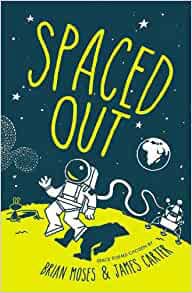
Blast off into galaxies unknown with this illustrated collection of poems about space by a variety of children’s poets. With a diversity of poetic forms covering topics from planets and asteroids to black holes and shooting stars, this cosmic collection is likely to be enjoyed again and again by children in KS2 classroom.
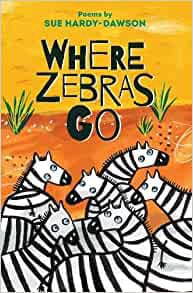
Sue Hardy-Dawson offers a perfectly-pitched variety of imaginative poems covering topics of interest to children, including animals, sports, playtime, growing up and protecting the environment, all delivered through entertaining verses including a number of shape poems.
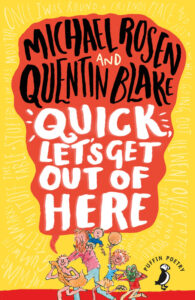
Michael Rosen’s poetry books are a must-have in primary classrooms and this one – illustrated by Quentin Blake – has a hugely entertaining appeal in KS2. The poems zoom in on small moments from growing up, from sibling squabbles to best friends to the feeling of trying to avoid being told off by mum and dad (even when you’ve sneaked downstairs in the night to eat some chocolate cake…). Young readers may also enjoy the fact that they can see many of the poems being performed on the poet’s dedicated YouTube channel.
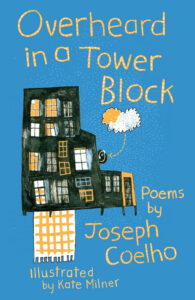
Award-winning poet Joseph Coelho depicts one boy’s experiences of growing up in a tower block, told through a series of poems that explore different aspects of growing up, including parental separation, school bullies, exam results and adolescence. The poems are powerful, thought-provoking and vivid, with themes that will feel relatable to many young people. This is an excellent collection to dip and out of, suitable for the crossover between Upper KS2 and Lower KS3.
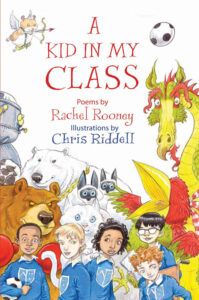
A popular collection that captures the essence of primary school life through a series of poem portraits depicting different characters in a class, from the fidgety pup to the know-it-all (and even the class hamster gets a turn). Entertaining and empathy-building, this is an excellent collection for primary classrooms.
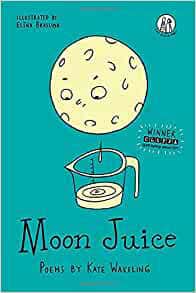
This collection of witty and intriguing poems that stir the imagination was the winner of the 2017 CLiPPA poetry award. The poems are lively, thought-provoking and are likely to be enjoyed for their humour, language play and rich variety of themes that appeal to upper KS2, including magic, space, relationships, family life and human emotion.
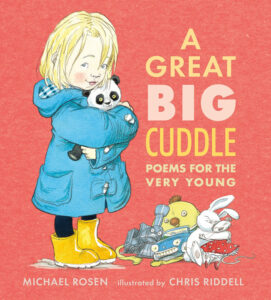
A collection of Michael Rosen’s poems for very young children, with delightful colour illustrations by Chris Riddell. The poems are accessible and playful, designed to capture elements of life that very small children can relate to; choosing toys, falling into a puddle or waiting for lunchtime to come. A brilliant introduction to poetry that engages young children with rhythmic and playful verses that are easy to join in with and learn by heart. You can see a few examples of the poems here.
review
Year group(s) the book is most suitable for:
Does the book contain anything that teachers would wish to know about before recommending in class (strong language, sensitive topics etc.)?
Would you recommend the book for use in primary schools?
yes
Curriculum links (if relevant)
Any other comments
Any other comments