Recommended children's booklists sorted by age or topic

Topic: EYFS Topics

This is a great first non-fiction text aimed at 3-5 year olds. It introduces young children to the conventions of information texts, including contents, headings and captions, in a fun and easily accessible way.

A visually appealing hardback book to be treasured by dinosaur fans. This is a history of dinosaurs told from the perspective of Earth’s last surviving dinosaur, Tony. Each dinosaur in the family gets a double-page spread, with quirky illustrations and plenty of interesting facts about the characteristics, diet and habitats of each type of dinosaur as well as physical features like teeth and wings. There’s also an informative section at the end of the book about fossils.

Danny wants a pet but the only trouble is he is not sure which type of dinosaur is right for him. With a little help from the eccentric Mr Ree, the owner of the Wondrous Dinosaurium, Danny tries out a few different types and soon discovers that pet dinos are quite a handful! This colourful and humorous picture book is a popular storytime hit for children aged 3-7.

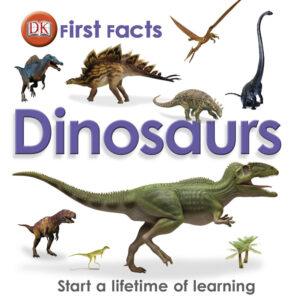
A simple information text bursting with clear photographs and fun facts about prehistoric creatures. This is great for reading aloud but young children will also enjoy looking through the pages independently.

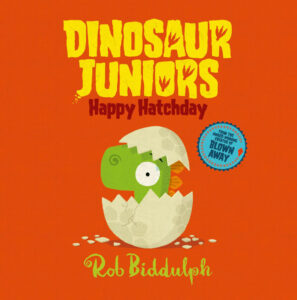
This vibrantly illustrated rhyming picture book makes for a egg-cellent dinosaur-themed story time. The little band of dinosaurs that emerge from their eggs all have different names and personalities. Can late-comer Greg find a way to be included with the others? You may also like the second book in the series, Give Peas a Chance.

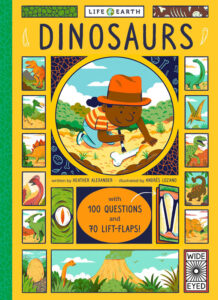
This is a bright and colourful non-fiction text about the dinosaurs. The simple question-and-answer format makes it easy to gather lots of information and the interactive flaps keep young readers interested. This is the kind of non-fiction text that children like to choose to read and read again.

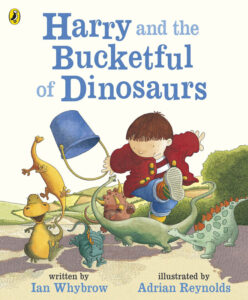
This hugely popular picture book is part of the ‘Harry and the Dinosaurs’ series. Harry discovers some dusty plastic dinosaurs and claims them for his own, cleaning them up and carrying them everywhere he goes in a bucket. But what will happen when he loses his beloved dinosaurs one day?

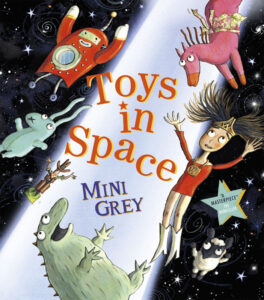
This is another wonderful story from popular picture book author Mini Grey (author of Traction Man). When a child’s toys are left out in the garden over night, they get unexpectedly beamed into space. The toys use their best storytelling skills to cope with their new surroundings and problem-solve their way back home. There are some great ideas for activities to go with this book on the Teachwire website.

From dolls and teddies to sticks and balls, toys can hold a special place in the hearts of children. It’s no surprise that the topic of toys and games is always a hit with children, who love learning about toys from the past and toys around the world. We’ve put together a selection of the best children’s books about the topic of toys.

Best Children’s Books about Dinosaurs

Dinosaurs and other prehistoric creatures are often a topic of great interest to children. From the terrific T-Rex to the brilliant Brachiosaurus, we’ve selected a list of recommended children’s books about dinosaurs to help you to dig deep into the Triassic, Jurassic and Cretaceous periods!

For young kids that love dinosaurs, My Encyclopedia of Very Important Dinosaurs  is bursting with up-to-date facts and discoveries and is easily accessible to young readers or try The Dinosaur Department Store – a truly wild picture book that will appeal to dino-loving, adventurous children everywhere.

So, if you are looking for recommended dinosaur story books for children, this specially selected reading list for EYFS and KS1 has got you covered…

Subscribe to our newsletter

Your Review

Stone Girl Bone Girl

review

Year group(s) the book is most suitable for:

Year group(s) the book is most suitable for:

Does the book contain anything that teachers would wish to know about before recommending in class (strong language, sensitive topics etc.)?

Does the book contain anything that teachers would wish to know about before recommending in class (strong language, sensitive topics etc.)?

Would you recommend the book for use in primary schools?

yes

Curriculum links (if relevant)

Curriculum links (if relevant)

Any other comments

Any other comments