Recommended children's booklists sorted by age or topic

Topic: Diverse & Inclusive Books for EYFS

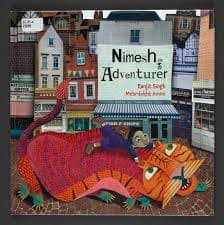
Nimesh is walking home from school. Except…there happens to be a shark in the corridor. And a dragon in the library! And why would crossing the road lead to the North Pole? A fun-filled story about a little boy with a BIG imagination, Nimesh the adventurer will surely make even the dullest journey a dazzling adventure.

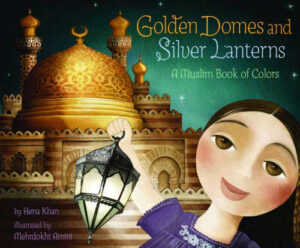
With breathtaking illustrations and informative text, Golden Domes and Silver Lanterns magnificently captures the world of Islam, celebrating its beauty and traditions for even the youngest readers. From a red prayer rug to a blue hijab, readers will learn about a different color of the Muslim world on each spread with a young Muslim girl and her family as a guide. Sure to inspire questions and observations about world religions and cultures, it is equally at home in a classroom reading circle as it is being read to a child on a parent’s lap.

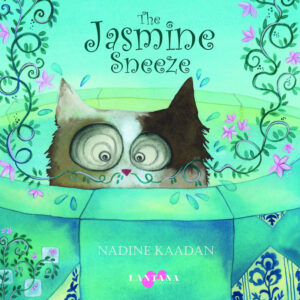
Haroun, the cat, likes nothing better than to spend his days sleeping in the sunlit courtyards of Damascus. But one thing always ruins his sleep: jasmine! Haroun can’t stand the sweet-scented flowers. Their pollen sends him into fits of sneezes! So one day, Haroun hatches a plan to fix the problem. But little does he know that in doing so he deeply angers the Jasmine Spirit who plans her revenge in her own crafty and hilarious way. A beautifully illustrated and enormously entertaining story by award-winning Syrian author/illustrator, Nadine Kaadan, that sheds a welcome light onto Syria’s long and proud cultural heritage in a period of history marred by war.

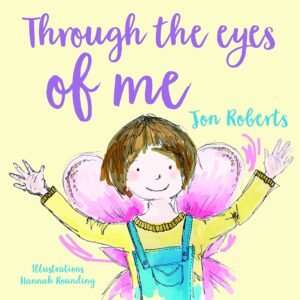
Jon Roberts’ debut work for children is a sensitive portrayal of life as a child with Autism, narrated by 4-year old Kya, who guides readers through her likes and dislikes and all the nuances of her character. Utilising colourful text and illustration and inspired by his experiences of raising his own daughter with the condition, it is an ideal tool for encouraging an understanding of Autism for both children and their families.

Picturebook

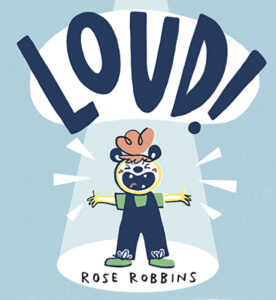
Abigail has ADHD and can’t concentrate, but one teacher knows just how to get her engaged.

Abigail is frustrated. She can’t focus on writing and fools around instead. She is sent to the cooling down room. After that is music class, and she can’t make any of the instruments work! Just when things are about to go wrong again, the teacher discovers exactly what to do to engage this little girl, and Abigail ends up finding a special voice of her very own.

Dyslexia-friendlyPicturebook
dyslexia-friendly
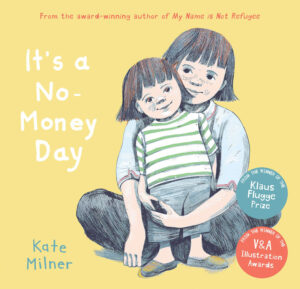
 Kate Milner’s picture book entitled It’s a No-Money Day is a must-have for primary schools. Rare in its portrayal of life on the poverty line and the experience of visiting food banks from a child’s perspective, this is a truly special book that poignantly explores its subject with due compassion and gentleness.

A young girl visits the local food bank with her mother. An emptied penny-jar at home indicates that today is a no-money day and despite the mother’s hard work and measured frugality, the duo must make a trip to the food bank in order to stock their bare kitchen cupboards.

Mum is ashamed but politely makes the best of the situation. The girl, on the other hand, sees no stigma in the experience and enjoys meeting the kind food bank workers and eating their biscuits. Could she have her favourite cereal this time?, she asks, only to be scolded by her humiliated mother. This child is a wonderful example of finding joy in life as it is; the food bank visit is a normal experience for her and she will easily see the good in it. Under the loving wing of her mother she finds other simple pleasures too, like borrowing library books, trying on clothes in the charity shops and having fun dreaming out loud of what life might offer her one day.

Kate Milner’s illustrations capture the moods and emotions of the two characters so perfectly. Mum is wearier than she wishes the girl to know but the reader can see it in the lines of her face and the curves of her posture, which also show her deep love and warmth towards her daughter. The girl is simply looking to find interest and joy as she goes on her way – as children do – and many young readers will find the child character’s perspective and acceptance of the way things are easily relatable. Who hasn’t wondered if they can have their favourite cereal when a parent selects a boring one? Who hasn’t imagined out loud a different way of life without pausing to consider the effects of those longings on a weary parent? The child’s voice is one of innocence and hope, but it’s easy for the reader to wonder what might happen to the family without the provision of food bank donations.

It’s a beautiful and poignantly-told story that deserves a place in every classroom, providing a much-needed insight for many children into life on the breadline, while offering others a rare reflection of a familiar situation and a reassuring message that they are not alone. This is a book that is suitable to use across the whole primary age range and one that will be sure to encourage empathy and discussion around a very important topic.

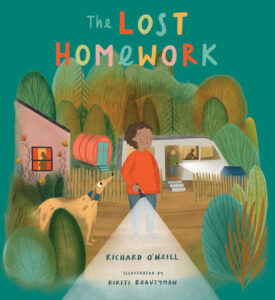
In this new addition to our ‘Travellers’ Tales’ series, Sonny devotes his weekend to helping his neighbours and fellow Travellers with a variety of tasks. He uses many skills, from calculating the amount of fuel needed for a journey, to restoring a caravan. In fact, the only thing he doesn’t do over the weekend is his homework – his workbook is missing! What will his teacher say? This new picture book by Richard O’Neill champions the idea that many skills learned at home are as important as those learned at school.

This book is a beautifully illustrated introduction to the shared custom of head covering. Using accurate terminology and brightly coloured imagery, Hats of Faith helps educate and prepare young children for our culturally diverse modern world. Encouraging an early and open dialogue between parents and children.

Subscribe to our newsletter

Your Review

Stone Girl Bone Girl

review

Year group(s) the book is most suitable for:

Year group(s) the book is most suitable for:

Does the book contain anything that teachers would wish to know about before recommending in class (strong language, sensitive topics etc.)?

Does the book contain anything that teachers would wish to know about before recommending in class (strong language, sensitive topics etc.)?

Would you recommend the book for use in primary schools?

yes

Curriculum links (if relevant)

Curriculum links (if relevant)

Any other comments

Any other comments