This wonderful illustrated story by Martin Impey details the moving story of one family living in London during World War Two.
The story is told from the perspective of the two children in the family and explains what life was like before the war and then what happens once the war starts. There are specific details included in the book, for example, the exact time the war was announced, what rationing was and what happened during an air raid.
The atmospheric watercolour illustrations complement the story superbly, and put visual storytelling at the centre of the reading experience. The wartime mood set by the nostalgic colour palette combined with the snippets of archived material like letters and broadcasts begin to bring alive a historian’s sense of recreating details of the war from an ageing generation’s living memory and recorded material – an important aspect of historical understanding to grasp for today’s younger readers who are more familiar with the ease of video footage and livestream accounts of news events.
This beautiful and moving book is well researched and rich with detail, making it an excellent addition to any classroom.
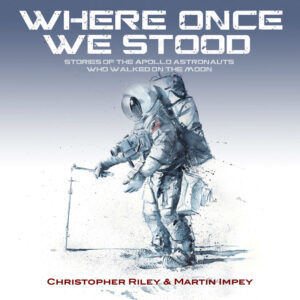
Where Once We Stood is a stunning book – large, weighty and dense with information, vocabulary, ideas and meaning. Capturing first-hand accounts from the 12 people who have stood on the moon, in their own words, each chapter covers a particular Apollo mission and begins with dates, crew logs and maps to set the scene.
The stories themselves are heart-stopping. From Neil Armstrong’s era-defining first step into the moon’s pristine dust, to Gene Cernan’s final step and wish that “we leave as we came…with peace and hope for all Mankind”, we experience in real time the anticipation, the elation and the fear of exploring the Moon’s awesome other-worldly environment.
The language throughout is a glorious blend of the poetic and the scientific, the prosaic and the profound. The illustrations by Martin Impey are breath-taking and alone make the book worth purchasing. Where Once We Stood rewards detailed and repeated study and would be an excellent key text around which to build a Space Scheme of Work for Year 5/6.
review
Year group(s) the book is most suitable for:
Does the book contain anything that teachers would wish to know about before recommending in class (strong language, sensitive topics etc.)?
Would you recommend the book for use in primary schools?
yes
Curriculum links (if relevant)
Any other comments
Any other comments