Recommended children's booklists sorted by age or topic

Publisher: b small publishing limited

Take the anxiety out of ‘breaking news’!

It’s a jungle out there – an information jungle to be exact.

The critical literacy skills in this book will help you cut through the noise, find the facts and grapple with the stats.

It’s not just about spotting fake news either, there are sources to consider and clever words to understand.

Learn about the world in a calm and safe way!

Revised edition updated to include information about AI (Artificial Intelligence).

Being able to clearly and confidently articulate ideas, to engage in discussion, and to listen actively to others are critical life skills that everybody should have, and ‘How to Speak and Be Heard’ is an engaging read, which sets out to provide children with the necessary tools to develop these important skills.

This colourful book provides a relatable rationale for developing oracy skills – it looks at how the way people communicate on a daily basis (not only when they are speaking publicly) impacts whether their voice is heard. Importantly, the book also considers non-verbal form of communication including sign language, facial expressions and body language.

This KS2 book looks at all aspects of oracy and provides clear steps for readers to take and activities for them to engage in to help them to become better communicators in every day life and to be able adapt their communication style in different situations. This is an essential, well-written and informative tool kit for children and an excellent teaching resource for both teachers and parents.

Real-Life Mysteries is an engaging, inquiry-rich non‑fiction text that invites children to explore unexplained phenomena through a critical, evidence-based lens. Martineau presents mysteries such as strange creatures, puzzling events and unusual natural phenomena, but always grounds the discussion in scientific thinking and scepticism.

For the classroom, it offers a powerful springboard into research skills, critical literacy and evaluating sources.

This first nature book is a beautiful celebration of small moments in nature that calm and soothe the soul. A wonderfully calming book to engage young readers in nature and support teaching of new vocabulary.

This information book makes for a calming read where you will discover the details in the artwork, and plant a seed that will bloom and grow as EYFS nature lovers discover nature at its most magical. From bestselling children’s book creator, Clare Beaton, each page is beautifully illustrated in paper collage – you will find some simple activities at the back of the book, along with a glossary of interesting words, too.

A fantastic book that could be shared whole class, in a group or on a 1:1 basis. Perfect for teaching understanding of the seasons.

A book to broaden horizons! Although aimed at KS2 pupils, this information book about neurodiversity and brains is as much for adults as children: parents and teachers will learn, or be gently reminded, about mindful language and changing perceptions of neurodiversity. Do you and your pupils know about sunflower lanyards, identity-first versus person-first language or neuroplasticity?

Scott Evans, a teacher and neurodivergent spokesperson, has created an empowering guide that celebrates the uniqueness of every brain and blends neuroscience with understanding, offering readers an accessible introduction to how the brain works and why neurodiversity matters. The narration speaks directly to the reader, reassuring them that their brains are not only powerful but are extraordinary. All Brains Are Wonderful encourages self-awareness, kindness and curiosity, making it a valuable resource for classrooms and families alike.

The illustrations by The Boy Fitz Hammond are a great match for the text—bright, expressive and inclusive (from freckles to braces to vitiligo) – they bring the science to life, helping to convey the book’s core message: that all people matter.

A wicked way to get started in the weird and wonderful world of electricity! Have some inspired electrical fun with these simple experiments using all kinds of household equipment. Set up a cool circuit using salty water and kitchen towel. Use pencils to create circuits. Make a home-made battery that really works. Fascinate your friends with a break-dancing magnet. There are clear step-by-step instructions shining a light on electrons and electronics. Sparky, scientific fun! INCLUDES THESE SPARKY EXPERIMENTS: Simple Stuff, Pencil Power, Wicked Resistors, Colourful Circuit, Salty Circuit, Briny Battery, Mighty Magnet, Cool Compass, Crazy Currents, Break-dancing Magnet and Weird Wireless.

Eurek-Her is a diverse, engaging non-fiction book which tells the stories of 20 pioneering women, who used their knowledge and skills within STEM (science, technology, engineering and maths) to shape and change the world we live in today. What makes this book unique is that the stories of these inspirational women are told from all over the world and at various different time eras in history.

This made the book very interesting to read, because some stories, for example Mary Anning, may have been studied in schools before, but others, for example Mary Herbraea from Ancient Egyptian times, may rarely have been heard. The themes also covered through these women’s stories (including artistry, astronomy and medicine) mean that there is likely a story which will engage every reader interested in STEM.

Each woman has a dedicated page in the book, which tells the story of their life, work and achievements. These follow the traditional layout of a non-fiction book, using subheadings, labels and illustrations to support the reader with their understanding. A glossary of terminology is also included at the back of the book.

As an additional piece to this book, readers can complete one of 12 activities inspired by these stories, each with clear instructions of how to do so. These vary from making your own periodic table, to playing the small test game, and could easily be used as a science experiment at school or home.

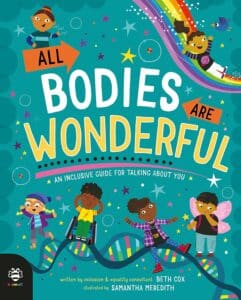
This book will help children to be themselves and feel like they belong. From the atoms that made them to the things that bodies can do, ALL bodies are wonderful. We know that bodies can be tricky to understand. Sometimes you might feel like your body is different. But being different is completely natural … it’s just science! Trust the experts to help you have big conversations together using this inclusive guide.
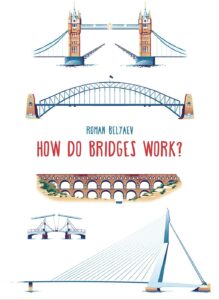
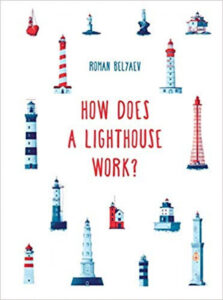
Why were bridges invented? What did the first bridges look like? How do they stay up and why are there so many different designs? From architecture to engineering (and other STEM subjects!), scale new heights on an enchanting journey with the school children in this book to discover answers to these questions along with other fascinating facts about bridges and how they work. Written and illustrated by Kate Greenaway Medal nominee and STEAM Children’s Book prize winner, Roman Belyaev.

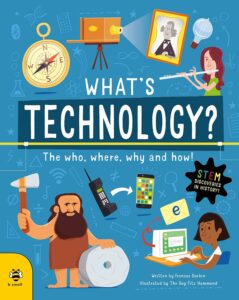
What’s Technology is a visually appealing and interesting non-fiction text with information which is bang up to date such as AI technology, detailing 13 major inventions that changed the world.

The text is well laid out and easy to access in bite-size chunks and includes fun facts, timelines and steps to take learning further. Each section includes fabulous cartoon-style illustrations as well as more accurate diagrams and drawings. Information is easy to find with a clear contents page, glossary and a page giving children ideas on how to take what they have learnt in the book further. The vocabulary and information are most suited for Key Stage Two pupils and could support STEM aspects of the curriculum, as well as some history topics. Timelines include a level of diversity, including women in STEM.

Subscribe to our newsletter

Your Review

Stone Girl Bone Girl

review

Year group(s) the book is most suitable for:

Year group(s) the book is most suitable for:

Does the book contain anything that teachers would wish to know about before recommending in class (strong language, sensitive topics etc.)?

Does the book contain anything that teachers would wish to know about before recommending in class (strong language, sensitive topics etc.)?

Would you recommend the book for use in primary schools?

yes

Curriculum links (if relevant)

Curriculum links (if relevant)

Any other comments

Any other comments