Recommended children's booklists sorted by age or topic

Topic: Rivers, Coasts & the Water Cycle

Chapter bookDyslexia-friendly
resources-availabledyslexia-friendlyguided-reading-choice

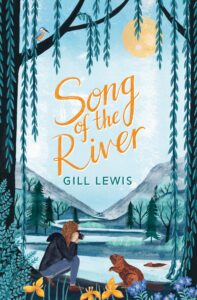
Cari and her mum both miss Dad after he’s killed in a road accident. For Cari’s mum, a new start in a cottage by the river where they can open a tea shop seems a positive way to move on; for Cari, it’s just another painful wrench. When a devastating flood follows a storm, it looks like a disaster to them both. Cari’s the one to realise that there’s no path back, only forwards.

Struggling to rebuild their home and their livelihood, she and her mum hear of a plan to reintroduce beavers to the area. Conservationists believe they may hold the key to regulating flood waters and protecting the village but there is intense local opposition. Cari is stung to action. Can she persuade the community to give beavers a chance? And if she does, will the plan work?

Gill Lewis writes so powerfully of the natural world and the need to work with it rather than against it, to balance the needs of communities and the landscapes they inhabit. This moving story from Barrington Stoke uses deliberately accessible language but handles the themes of loss and grief with sensitivity and depth. The themes of rewilding, conservation and environmental change are both topical and challenging.

The book could be used to provoke thoughtful discussions about resilience and courage as well as to build reading stamina and nurture an interest in the natural world. It would fit well alongside topics on rivers, climate change and environmental responsibility and would lead naturally to work on persuasive writing. This is a good book to recommend to children who love animal stories.

Best children’s books about rivers, coasts and water cycles

This geography curriculum booklist is designed to help those looking for children’s books about rivers, coasts and the water cycle.

The topics of rivers, coasts and water are components of the National Curriculum in primary schools, covering aspects of both Science and Geography. From erosion and tributaries to precipitation and the water cycle, we’ve got the topic well covered with our selection of the best children’s books about rivers, coasts and water.

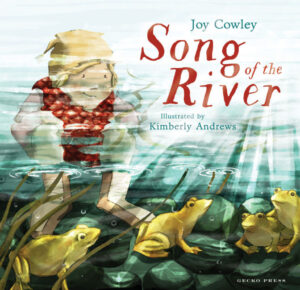
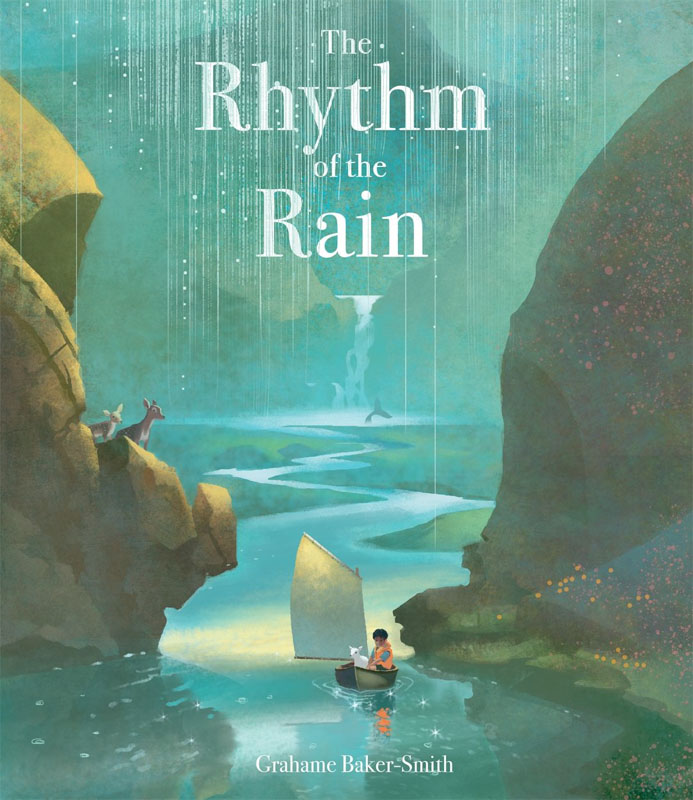
Recommended chapter book fiction options include Elizabeth Laird’s Song of the Dolphin Boy, a topical and thought-provoking novel about coastal pollution,  and Gill Lewis’s short chapter book Song of the River, about wildlife and river conservation. There is an array of beautiful picture books to support this topic, including Grahame Baker-Smith’s The Rhythm of the Rain, which explores the remarkable journey of the water cycle.

So, dive into the watery world of rivers and coasts with our expertly selected booklist…

This is a beautiful picture book that explores the remarkable journey of the water cycle. From a few drops of rain in a little boy’s jar to the depths of the vast ocean and back to clouds in the sky above, wonderful water is given centre-stage in this gentle narrative that evokes awe at the sheer beauty and scale of nature’s systems.

Fearless adventurers, set sail on a fascinating voyage down the world’s most extraordinary rivers!

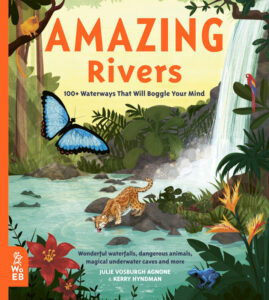
Discover over 100 of the world’s most incredible rivers in this fascinating title by Julie Vosburgh Agnone and illustrated by prize-winner Kerry Hyndman. Amazing Rivers takes readers on a tour of the world’s waterways, revealing the animals that call them home, the societies that rely on them, and the environmental issues threatening them along the way.

Learn about incredible wildlife, from brown bears catching salmon that swim upstream to anacondas large enough to eat a pig. Explore astounding natural wonders, from a boiling river so hot you can cook an egg in it to a multicoloured river that flows like a liquid rainbow. And discover awesome river traditions, from ritual baths to rubber duck racing to barefoot waterskiing!

A modern alternative to Wind in the Willows, this is the story of a family of water voles and the adventures that they have on their journey along the Great River.

If you know Flying Eye publishing house’s output, you will know before you even see this book that ‘Amazon River’ is a beautiful object, that the art will be as thoughtful as the writing, the quality of paper as important as the factual information.

Reading this to a class as the launch of a topic on the Amazon/Rainforests will undoubtedly whet the children’s appetite to learn about this astonishing and awe-inspiring place. The introduction is amply matched by the end piece, ‘A River of the World’, which sums the book up perfectly, as well as acting as an excellent discussion starter on the interconnectedness of our planet.

In between these two marvels, the main body of the book is divided into 4 main themes: water, wildlife, people and life on the river. These pages tread the tightrope between concision and depth expertly. Despite a background as a geographer, I learnt many new facts such as the difference between clearwater, blackwater and whitewater. The summaries of a wide range of exciting and unusual animals are also superb, as are more summaries of the Legends of Pirarucu and Naia, star of the water.

‘Amazon River’ is a stunning way to engage children with an important and breathtaking part of the world. It could easily be used as the centrepiece of a topic, and would inspire much engagement with the natural world and our place within it.

Publishers are spoiling us at the moment with a wealth of non-fiction titles for children that are presented with creativity and a high visual appeal. Once Upon a Raindrop: The Story of Water by James Carter and Nomoco immerses the readers into the wonderful world of water; from the tiny raindrops that drip and drop onto hills to the waves roaring mightily in the oceans and then to the wispy evaporations of steam and clouds.

More than a simple explanation of the water cycle, this book uses gentle and poetic verse to evoke the transient flow of water through its different forms, accompanied by swirling, meandering watercolour illustrations. Sometimes the shape and sizes of the words on the page seamlessly blend with the images to further bring life to the poetry.

The book is certainly informative when it comes to learning about water, but also offers something more. The gentle poetry of the words, the elegant illustrations and the high quality production of the book itself work together to pass on a key message about the beauty and importance of water as a life-giving element.

Part of the popular non-fiction ‘Science Works’ series, this book uses cartoon-style illustrations and humorous text to explain the water cycle to children. The book also contains an experiment and links to websites to find more information.

Non-fiction

This information text all about water contains high-quality photographs and accessible text that explains the science of the water cycle. Recommended for lower KS2.

Winner of the Smarties Book Prize Gold Award, this is a very popular choice for KS2. It tells the story of a small girl called Maia, who journeys down the Amazon River with her strict governess, making friends and enemies along the way. It is rich in descriptive language in both its depiction of the Brazilian jungle and in its descriptions of complex and cruel characters that will stay with you long after you close the book.

This is a wonderful yarn, featuring not just one but two high-spirited female role models. Maia, a determined heroine, overcomes numerous challenges and a questionable step-family, whilst her governess, Miss Minton uses hidden talents and inventiveness to outwit incompetent villains and defy stuffy conventions. Both characters challenge small-minded colonial-types and lazy stereotyping as they embrace the adventures offered in this new extraordinary world.

The plot rattles along at a good pace and paints brilliant scenes of life along the Amazon. Maia’s true friends are unconventional and engaging, contrasting well with the nastiness of the Carter family. Ibbotson’s humour and storytelling skill ensure that the book never preaches but encourages us to travel with ‘courage and an open mind’. Much needed advice for young readers today!

Subscribe to our newsletter

Your Review

Stone Girl Bone Girl

review

Year group(s) the book is most suitable for:

Year group(s) the book is most suitable for:

Does the book contain anything that teachers would wish to know about before recommending in class (strong language, sensitive topics etc.)?

Does the book contain anything that teachers would wish to know about before recommending in class (strong language, sensitive topics etc.)?

Would you recommend the book for use in primary schools?

yes

Curriculum links (if relevant)

Curriculum links (if relevant)

Any other comments

Any other comments