Recommended children's booklists sorted by age or topic

Topic: Plastic Pollution

Plastic Pollution Topic Booklist
Is plastic fantastic or the cause of something drastic? Children are used to seeing plastic all around, but what happens when our planet becomes so full of plastic that it causes problems to the environment? Our hand-picked list of recommended children’s books about plastic pollution can help to explore the topic with primary school children.
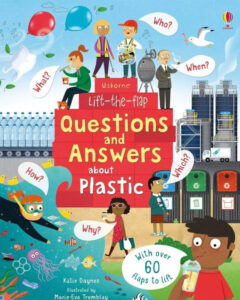
This hardback non-fiction with interactive flaps covers a hot topic among young people, taking a balanced approach that encourages readers to ask and answer important questions about the pros and cons of plastic use. It’s a well-presented and informative book that would be perfect for a KS1 or lower KS2 class who are learning about materials or the environment. On each page, there are questions and beneath each flap is a clear answer, which has some useful subject-specific vocabulary and a good balance between why plastic is useful and why it is harmful to the environment.

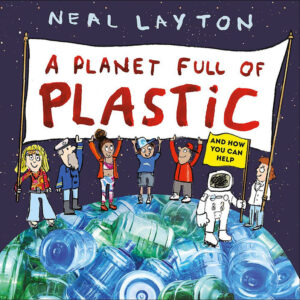
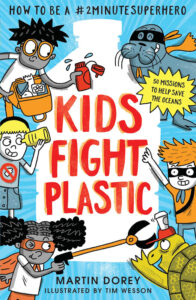
This book contains a list of 50 different ways in which everyone, including children, can make a difference to the planet and most are easier to achieve or require less effort than you might think. The author makes suggestions such as giving up using glitter, saying no to straws or having a clothes swap party. The message is clear that you can start small and even small changes are important. It covers ditching plastic, reducing waste more generally and being more conscious of personal impact on the environment.

Non-fictionPicturebook
resources-available

This is an information-packed picture book that draws attention to just how many everyday objects are made of plastic. From plastic straws and food wrapping to ketchup bottles and cat toys, there is no denying that plastic is all around us. The book walks through the history of plastic production and introduces the problem with materials that are not biodegradable. What’s more, through photographs, illustrations and child-friendly diagrams, the author explains that much of the plastic ends up in the ocean in enormous garbage patches (the most famous of which is currently three times the size of France!).

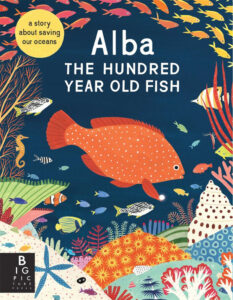
Alba the fish is over a hundred years old and during her long life she has always collected precious objects from the sea. Now she notices how things are changing; suddenly there is an increase in pieces of plastic and other unwanted items on the ocean floor. After getting stuck in a plastic bottle and washed up on a beach, Alba comes to the attention of a little girl who decides it is time to take action. With detailed illustration and an important message, this is a great picture book for primary classes to spark discussions about ocean pollution.

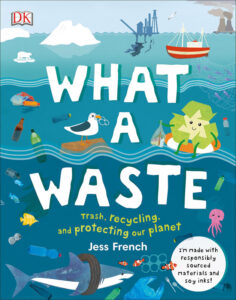
This is an informative book with a high visual appeal. It covers different aspects of reducing waste, with a large emphasis on plastics. Information is presented through diagrams, accessible text, illustrations and photographs. A highly recommendable non-fiction book that will challenge KS2 pupils to make small lifestyle changes that collectively can make a big impact on our planet.

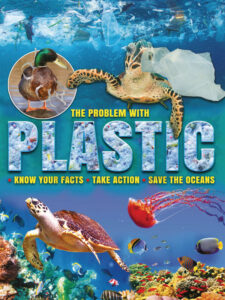
An information book with three aims for its readers: know your facts, take action and save the oceans. The book will arm KS2 pupils with hard-hitting facts about plastic pollution, which are accompanied by photographs showing the devastating impact of the plastic problem on our natural world. There are also plenty of ideas on how to take action and a key message that ‘everything you do counts’.

An illustrated non-fiction book that encourages young readers to become a #2minutesuperhero in the fight against plastic pollution. Perfectly pitched for KS2, this books carries the message that ‘2 minutes is all the time it takes to be a superhero’, suggesting quick and simple steps that children can take to reduce plastic pollution through a series of appealing superhero missions. It also explains how plastics can be good or bad, not oversimplifying the issue or suggesting a complete boycott of anything plastic. Highly recommended.

This is a wonderful book that follows the cycle of a mysteriously individual jellyfish-like creature named Stanley as he travels through the ocean. As he meets other sea creatures, differences between him and them start to become apparent – like his two handles and colourful stripes. Various creatures swallow Stanley as he tenaciously continues on his journey until he is found by a human, on the shore, who chooses to put Stanley to much better use. A fun and brightly illustrated picture book with a clear message that plastic does not belong in the sea.

The book is an appealing non-fiction book that encourages children to develop an interest in helping to stop plastics being used and damaging our oceans and wildlife. Each section has a clear title, key information, accompanying photographs and diagrams, labels and key facts. Each page has a clear and colourful layout with just the right amount of accompanying text to give children the knowledge and understanding they need about this topic. There are also additional downloadable resources available here.

Subscribe to our newsletter

Your Review

Stone Girl Bone Girl

review

Year group(s) the book is most suitable for:

Year group(s) the book is most suitable for:

Does the book contain anything that teachers would wish to know about before recommending in class (strong language, sensitive topics etc.)?

Does the book contain anything that teachers would wish to know about before recommending in class (strong language, sensitive topics etc.)?

Would you recommend the book for use in primary schools?

yes

Curriculum links (if relevant)

Curriculum links (if relevant)

Any other comments

Any other comments