Joan Haig (author of Tiger Skin Rug) picks out five recommended children’s books featuring India.
Joan Haig (author of Tiger Skin Rug) picks out five recommended children’s books featuring India.
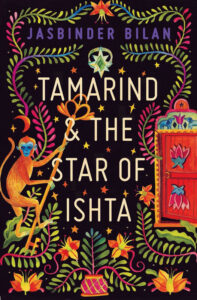
Tamarind never knew her Indian mum, who died soon after she was born.
So when she arrives at her ancestral home, a huge mansion in the Himalayas surrounded by luxuriant gardens, she’s full of questions for her extended family.
But instead of answers, she finds an ominous silence – and a trickle of intriguing clues: an abandoned hut, a friendly monkey, a glowing star ring, and a strange girl in the garden who calls herself Ishta.
Slowly, Tamarind unravels a mystery at the heart of who she is …
The second novel by Jasbinder Bilan, author of the Costa Award-winning Asha & the Spirit Bird and a rising star in middle-grade fiction.
Perfect for readers aged 9 and up – for fans of Kiran Millwood Hargrave.
A beautiful and emotional family drama lightly woven with magic, in a breathtaking Indian setting.
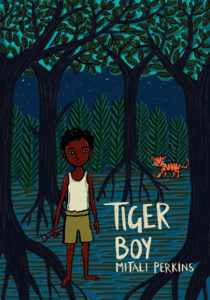
When a tiger cub escapes from a nature reserve near Neel’s island village, the rangers and villagers hurry to find her before the cub’s anxious mother follows suit and endangers them all. Mr. Gupta, a rich newcomer to the island, is also searching–he wants to sell the cub’s body parts on the black market. Neel and his sister, Rupa, resolve to find the cub first and bring her back to the reserve where she belongs.
The hunt for the cub interrupts Neel’s preparations for an exam to win a prestigious scholarship at a boarding school far from home. Neel doesn’t mind–he dreads the exam and would rather stay on his beloved island in the Sunderbans of West Bengal with his family and friends.
But through his encounter with the cub, Neil learns that sometimes you have to take risks to preserve what you love. And sometimes you have to sacrifice the present for the chance to improve the future.
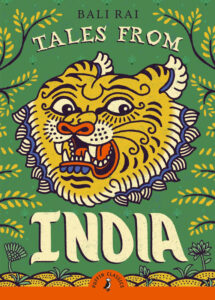
A collection of 20 stories from India’s rich folklore heritage. From wicked magicians to wise old priests, charming princes and beautiful princesses, to greedy tigers and wily jackals, these magical tales are full of adventure and trickery, and infused with deeper messages about morality, Life and the world around us. Founded on the work of folklorist, Joseph Jacob, and from tales from India’s Mughul period, award-winning author Bali Rai’s lively retellings are a delight for readers of all ages.
The book includes endnotes with a glossary, additional information as well as ideas for activities that children can do to explore the stories further.
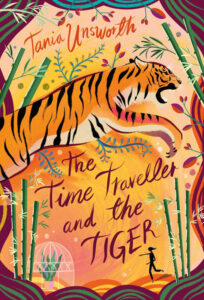
With echoes of Tom’s Midnight Garden , Tania Unsworth writes about transcendent friendships and conservation in the animal kingdom.
Elsie is not looking forward to the long summer holiday with her creaky, old Uncle John. But then the unimaginable happens as Time unravels and Elsie tumbles back to 1940s India to meet her Uncle John as a young boy on a tiger hunt. Can Elsie stop him from doing what he’s already told her is a wrong he can never right?
The Time Traveller and the Tiger is a multi-layered novel for 9-12 year-olds, rich in adventure, mystery, historical and conservation themes.
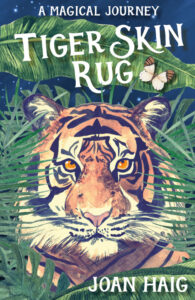
An old promise. A mysterious tiger. A Magical adventure.
Lal and his brother Dilip miss home. They don’t like drizzle, midges, or the tiger skin rug in their creepy new house. All they want is to leave Scotland and go back to India. But that’s before they make friends with Jenny, and before the tiger comes back to life…
The tiger tells them it will take them home in return for their help: it cannot rest until it fulfils an old promise. Can Lal, Dilip and Jenny help it on its quest? Who is trying to stop them? And will they get back home?
Fly into the night with this fabulous tale of adventure, friendship and what it means to find home.

© BooksForTopics 2015-2024
review
Year group(s) the book is most suitable for:
Year group(s) the book is most suitable for:
Does the book contain anything that teachers would wish to know about before recommending in class (strong language, sensitive topics etc.)?
Does the book contain anything that teachers would wish to know about before recommending in class (strong language, sensitive topics etc.)?
Would you recommend the book for use in primary schools?
yes
Curriculum links (if relevant)
Curriculum links (if relevant)
Any other comments
Any other comments