Recommended children's booklists sorted by age or topic

Topic: Celebrating Science

Celebrating Science Booklist

We’ve put together a list of our top recommended children’s books that celebrate science! We have hand-picked the best children’s science books that examine key concepts from biology, chemistry and physics – as well as stories that explore scientific thinking and shine a spotlight on famous (and not-so-famous) scientists.
An absolute hit with pupils who love the biological side of science, plus a good dose of history!

This funny non-fiction compendium of knowledge explores the history of human medicine from Egyptian mummification and strange Tudor remedies to modern medical marvels.

Authored by doctor-turned-author Adam Kay, this comprehensive guide digs deep into the weird and wonderful ways that people have attempted to diagnose, cure and treat the human body through time.

Funny and informative – a sure hit!

A stunning collection of the world’s most important discoveries for all the family to enjoy.

In the stylish miscellany, print-maker James Brown travels through the past and present, showing the amazing breakthroughs in science and technology that have changed our lives for ever. Discover fascinating facts and figures about space travel, the human body, time, the computer and much more with Brown’s bold, bright colours and beautiful contemporary designs. Each illustration is presented alongside an engaging fact-filled explanation by celebrated author Richard Platt. Covering more than 30 diverse and fascinating topics, this is the perfect book for the whole family to enjoy.

Non-fiction

This book introduces children ages 7-9 to the amazing science of DNA, genetics, and what makes you you.

It’s inside every living plant and animal, from the tiniest seed to the person standing next to you, but how much do you know about DNA? This book gives children an in-depth look at DNA and its role in all living things–from why we have different-colored eyes to why we age. Discover what DNA is, what it does, and how it shapes our lives, including inheritance and why we look like our parents; forensic science and how DNA evidence helps catch criminals; and genetic engineering and if we could bring dinosaurs back to life. With fun illustrated DNA characters, clear diagrams, and astonishing photographs, children will love learning about themselves and this all-important molecule.

The DNA Book is packed with colorful illustrations and mind-boggling facts, perfect for curious young minds. It’s a great addition to any STEAM library and decodes how DNA underpins life on Earth.

Explore the wonders of Earth and see how geology is all around us, from natures materials that are used to build roads and buildings to the minerals found in your mobile phone and drinks can. Witness a volcanic eruption, find out if there is water on Mars, unearth a dinosaur and meet the geologists and scientists who brought geology to life. Readers can also carry out geology experiments at home.

With easy-to-understand text written by Emily Dodd, fun callouts and lots of colourful artworks, photos, and diagrams, readers can best explore where we encounter geology and why it’s even important at all.

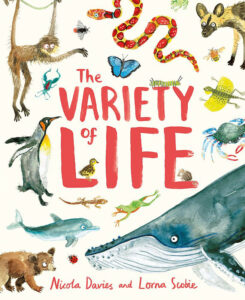
Our planet is full of life! Did you know there are 400,000 species of beetle – but only eight species of bear? This stunning book explores the extraordinary diversity of the natural world and profiles some of its most surprising creatures.

A glorious celebration of diversity within the Animal Kingdom by non-fiction specialist Nicola Davies, illustrated by rising star Lorna Scobie.

There is something to delight on every page with fascinating facts about mammals, birds, reptiles, amphibians, fish and insects. This exquisite book will encourage children to treasure the world’s biodiversity and help to stop it slipping away.

Non-fiction

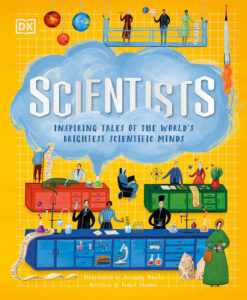
The biggest scientific breakthroughs in history have something in common: super smart people who kept looking for the answers to some of the world’s most interesting questions! The pages of this science book are filled with the stories of famous scientists such as physicists Neil DeGrasse Tyson and Stephen Hawking, biologist Marie Curie, palaeontologist Mary Anning and lesser-known trailblazers such as Chika Kuroda, who became Japan’s first female Bachelor of Science.

Filled with great detail and following a storytelling format, this is a thrilling book that will capture the imagination of young children and encourage them to explore the world of science. Beautiful descriptions of the scientists’ lives are brought to life through stunning watercolour illustrations and fantastic photography highlights the detail of their discoveries.

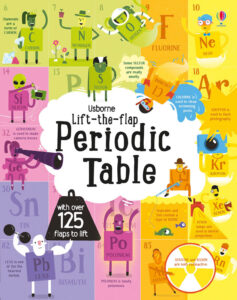
Everything in the Universe is made up of just 118 chemical elements, all of which are listed in the Periodic Table. Lift the flaps in this informative book and discover which elements are crucial to life, which are smelly, explosive or radioactive and lots more. An essential introduction to the building blocks of chemistry, with over 125 flaps.

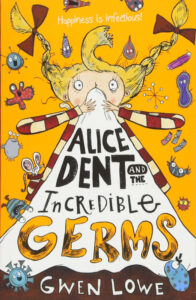
A brilliantly original, fast-paced and funny debut novel – perfect for fans of Roald Dahl!

When Alice Dent gets a cold, she has no idea how much trouble it’s about to cause. Because this is no ordinary cold: it comes with some seriously weird side-effects. For a start, Alice can’t stop giggling and every animal she meets sticks to her like glue!

But when the mysterious Best Minister for Everything Nicely Perfect and his scary masked henchmen come to take her away, Alice realizes her troubles are only just beginning …

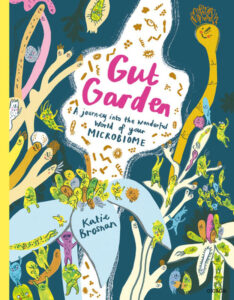
This beautiful, quirky, illustrated book begins by explaining what microbes are; giving examples to which most children will be able to relate, such as bacteria and viruses. It then builds on this with new vocabulary and concepts. Throughout the book, the author does not shy away from using scientific vocabulary but explains it in a way that is accessible and interesting to children. A lot of the text is presented as speech bubbles or information ‘blobs’ integrated into the illustrations which keep the reader’s attention and interest.

As the book progresses, the reader is taken on a journey through the human digestive system introducing the roles microbes play in our bodily processes and explaining how they can both keep us healthy and cause us to fall ill. There is a good dose of poo-related information that will capture the attention of even the most reluctant Upper Key Stage Two reader!

There are opportunities in the book for the reader to learn about how the food we choose to eat affects the microbes in our bodies. In addition, we are also prompted to think about issues such as the overuse of antibiotics and how microbe research might well help to solve common health problems in years to come.

This book would be great for building on LKS2 science knowledge or simply enjoyed because it’s a very interesting and fun read!

Subscribe to our newsletter

Your Review

Stone Girl Bone Girl

review

Year group(s) the book is most suitable for:

Year group(s) the book is most suitable for:

Does the book contain anything that teachers would wish to know about before recommending in class (strong language, sensitive topics etc.)?

Does the book contain anything that teachers would wish to know about before recommending in class (strong language, sensitive topics etc.)?

Would you recommend the book for use in primary schools?

yes

Curriculum links (if relevant)

Curriculum links (if relevant)

Any other comments

Any other comments