Recommended children's booklists sorted by age or topic

Publisher: Wayland

A crime has been committed and the Science Detective Agency are on the case. To be a detective you need an agile mind … Train your brain to tackle the most intriguing mysteries and crack the case wide open. Do you think you’ve got what it takes?

The Science Detective Agency is here to introduce curious detectives-in-training aged 8+ to the world of forensic science. Visit the crime scene and gather clues to solve the mystery, from collecting fingerprints and swabbing DNA to analysing soil samples and digital evidence. Look back on cases through history and use activities and practical at-home experiments to test your hypotheses and find out whodunnit. Move over Holmes family, there’s a new detective on the case!

At the back of the book, take a quiz to test your knowledge and read an interview with a real-life forensic scientist and DNA expert.

Written in consultation with Dr William Goodwin, who has worked in forensic genetics for thirty years at the University of Glasgow and University of Central Lancashire. He has taught a master’s program in forensic genetics for over twenty years and researched various aspects of human identification.

This exciting story brings the gunpowder plot to life for young readers.

Cecil the spymaster and his assistant, Jack, learn of a new plot to kill the king. They are determined to catch the plotters in the act. The trouble is, where do they begin their search?

Full of secrets, excitement and danger, this short text is suitable for struggling readers but engaging enough to give confident readers a quick, fun read.

Suitable for use in schools as guided reading texts or for reading independently.

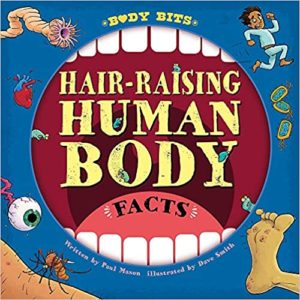
Hair-Raising Human Body Facts is a fascinating tour of the human body. As they read, children will learn a huge amount of intriguing facts about the body that they have inhabited since they were born. They will be desperate to share information – such as how your body sheds 50kg of skin by the time you are seventy and that the average human passes wind about twelve times a day!

Each colourful double-page spread focuses on one aspect of the body. The information is a mix of explanations, fact boxes, historical information and common myths about the body feature being discussed (Did you know that kissing a donkey was thought to be a cure for toothache in medieval Germany?).

Learners will enjoy the mixture of photographs, illustrations, speech bubbles and cartoons. The photographs also include images from a microscope, which are captivating.

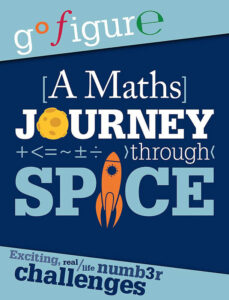
Part of the Maths in the Real World series, this book shows how maths is applied to real life space missions. The book includes charts, infographics, diagrams and other ways to visualise the figures involved, as well as quizzes and mathematical challenges.

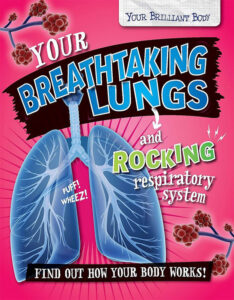
Part of the Your Brilliant Body series, this visually appealing information text looks at the fascinating science behind the process of breathing in and out. You may also like the other books in this recommended series too, such as Your Growling Guts and Dynamic Digestive System and Your Growing Body and Clever Reproductive System.

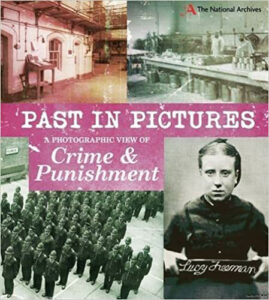
A photographic journey through crime and punishment from 1812 to modern times. The photographs and documents can be useful to provide historical sources for your topic work and the captions provide extra details and context.

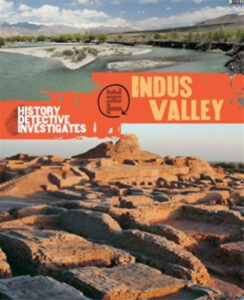
This jam-packed information text is written especially for the 2014 National Curriculum and answers a range of questions about the Indus Valley. Topics in The History Detective Investigates: The Indus Valley include Indus cities, food, homes and gods.

Subscribe to our newsletter

Your Review

Stone Girl Bone Girl

review

Year group(s) the book is most suitable for:

Year group(s) the book is most suitable for:

Does the book contain anything that teachers would wish to know about before recommending in class (strong language, sensitive topics etc.)?

Does the book contain anything that teachers would wish to know about before recommending in class (strong language, sensitive topics etc.)?

Would you recommend the book for use in primary schools?

yes

Curriculum links (if relevant)

Curriculum links (if relevant)

Any other comments

Any other comments