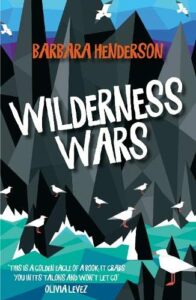
Wilderness Wars is a gripping adventure story about respecting nature’s power and caring for the environment.
Em is unsure what to expect when she and her family move to the uninhabited Scottish island of Skelsay due to her father’s construction project. The harsh remoteness of the island seems at once exciting and terrifying at first. The families will live in a settlement of portacabins and the few children in the group will be taught together by the enthusiastic teacher Mr Johnston. After quickly befriending Zac, who is the only other young person of the same age, Em begins to notice how the project to build a new luxury retreat seems to be facing more than the usual amount of setbacks and mishaps due to the island’s natural wildness. Could nature be fighting back?
Em and Zac encounter a race against time to persuade their families of the danger they face on Skelsay. Tension quickly mounts in the story as a series of disasters unfold, leading to an almost apocalyptic climax.
Wilderness Wars is an edge-of-your-seat exciting story with a strong environmental theme, making it an excellent addition to classroom libraries in Upper KS2.
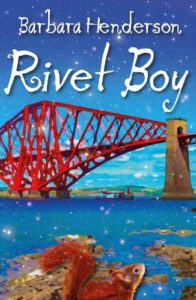
Set in Victorian times, this is the story of the children who worked on the dangerous job of building the famous Forth Bridge.
This is a truly exciting adventure that brings a real historical scenario to life. The thought of being perched up on top of the bridge with no safety measures at all made my blood run cold! Add into that some villainous villains and a child hero and you have a recipe for breath-taking episodes and action-packed escapades, with a seamless blending of fact and fiction.
The topic of Victorian child labour is often covered in schools, and this story has a new dimension to add to the more commonly covered workplace scenarios of mines and factories. The story will also appeal to budding engineers, with fascinating insights into the construction of one of the UK’s most iconic bridges.
Written by a teacher, this book gives a good insight into school life including dealing with mean or difficult people, the importance of consistent effort, and how to do good research to find out accurate information.
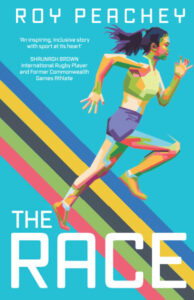
It is presented in a dual narrative style and alongside Lili’s story we learn about hero of the 1924 Olympics Eric Liddell, focusing on his life after his historic gold medal win and leading up to the outbreak of World War Two.
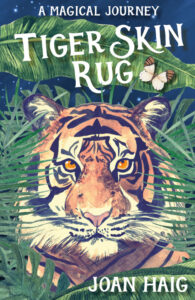
A unique and atmospheric middle-grade fantasy adventure exploring themes of family and what it means to find a home. Tiger Skin Rug is a page-turning adventure set between Scotland and India, with a sprinkle of magic based around an old tiger skin rug that transforms into a magic carpet.
Lal Patel and his family have just moved to Scotland from their Indian home. Within three days, despite trawling around three Scottish castles (seen one – seen them all), Lal is not sure that he will ever acclimatize to the culture here, especially with the endless drizzle. Worse still, their new home, Graystanes, is a world away from the slick city apartments Lal was expecting, offering instead a bungalow with dusty furnishings passed on from its previous elderly resident. Real home, thinks Lal, was back in India – lush and green with its modern housing compound, his familiar mango tree, beloved cricket fields and his best friend Ajay. Graystanes, on the other hand, is creepy, dim, lifeless and ‘wrong, wrong, wrong.’
There’s nothing that sharpens someone’s perspective on life like a good and proper adventure, and that’s exactly what’s in store for Lal (along with his brother Dilip and new friend Jenny), as the old tiger skin rug from the house unexpectedly leaps to life with its own tale to tell. The tiger has a promise to fulfil and offers to take Lal and his friends home in return for their help. A thrilling, child-led adventure across continents follows, leading Lal to reconsider what it really means to be home.
There’s something timelessly appealing about magic carpet adventures. This one is a quick read – less than 200 pages in total – with a measure of Indian cultural heritage that gives depth and added interest. With themes of hope, displacement, forgiveness and justice being explored through Lal’s story, this is likely to be a hit with children in modern KS2 classrooms.
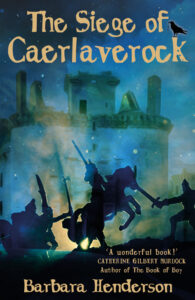
In a draughty castle in Scotland in the year 1300, a young laundress called Ada creeps into the tower to clandestinely deliver bread to the captured English noble Colban Graham. Unfortunately, Ada thinks she’s been spotted helping the prisoner by the cruel Castle Commander, Brian de Berclay, and he will want her head to roll. Soon, however, this becomes subsumed into a larger problem – Scotland is at war with England, Lord Maxwell is away with most of the fighting men, Caerlaverock is the first castle over the border, and King Edward is on his way to lay siege with an army of 3,000…
At only 159 pages, and mainly set over one day, this is a story that zips along like one of the arrows fired over the castle ramparts. Barbara Henderson brings the harshness of the Middle Ages so vividly to life, with all the damp and cold and stink that entails.
Fans of historical adventure fiction will love this book. An excellent introduction to the period, breathing life into a period many pupils may know little about.
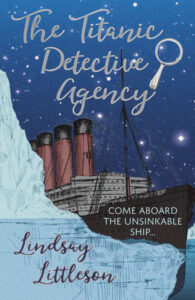
All the characters in my novel were real-life passengers and crew on the ship. The setting up of the detective agency by Bertha Watt and Madge Collyer, and The Mystery of the Strange Boy and the Treasure Map, are the only parts of the story which are pure fiction. The other mystery which the detective agency attempts to solve, The Case of the Mysterious Mr Hoffman, is completely factual, and proves that the truth is often stranger than fiction!
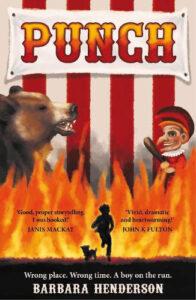
Readers of ‘Punch’ will find themselves quickly immersed in its world of the darkened streets of late Victorian Scotland. After being accused of setting the local market place on fire, twelve-year-old Phineas flees and soon finds himself in the company of a travelling puppet show. As Phineas learns the art of puppetry, he feels unsure who he can really trust and begins to confront some difficult memories from his past. There is a real contrast between the sense of darkness that never really leaves Phineas and the gleeful escapism of the travelling show. This text is suitable for upper KS2, and especially well-suited for those looking for a Scottish setting.
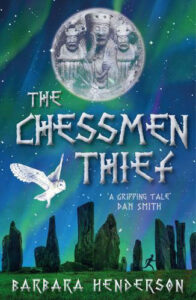
Set in the Viking era, The Chessmen Thief is an intriguing tale of 12-year-old Kylan’s quest to return to his mother, having been captured by Norsemen when he was just 7 years old. The Lewis Chessmen – which his master reluctantly let him help carve – are his only hope. However, great craftsmanship gains attention, including that of Sven Asleifsson, a cruel and barbaric Viking known throughout the realm.
Based on the real-life Lewis Chessmen (a group of distinctive 12th-century chess pieces discovered in 1831 on the Isle of Lewis), The Chessmen Thief is a great addition to existing Vikings-themed booklists and a suitable choice for all year groups across Key Stage 2. Barbara Henderson has carefully crafted the plot around the chess motif, and the story is not overwhelmed with action and gore, as can often be the case with books written about this era.
The book would particularly complement history topics for those teaching in Scotland, providing opportunities to find out about the Viking era closer to home.
review
Year group(s) the book is most suitable for:
Does the book contain anything that teachers would wish to know about before recommending in class (strong language, sensitive topics etc.)?
Would you recommend the book for use in primary schools?
yes
Curriculum links (if relevant)
Any other comments
Any other comments