
Author & Illustrators
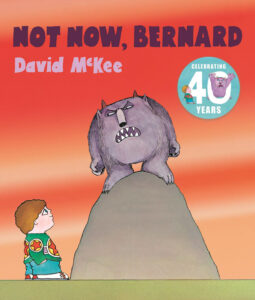


This storybook by Elmer creator David Mckee is a true classic.
Ignored by his preoccupied Mum and Dad, young Bernard attempts to gain his parents’ attention when a monster appears. Even the monster can’t make Bernard’s parents notice what is happening.
A simple story with multiple layers of meaning, Not Now Bernard is both funny and poignant, and is as much of a must-read for children today as it was when first published in the 80s.

Making his first appearance in 1968, Elmer the Patchwork Elephant has been entertaining young readers for decades and remains one of the most iconic and well-known children’s book characters of all time.
The Elmer stories feature a bright and multicoloured main character who inspires readers to embrace inclusivity, connect with friends and find joy in celebrating difference.
A classic book for Reception and Early Years children.
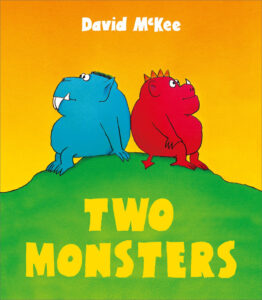
Two Monsters, a fun picture book by the creator of Not Now Bernard, is an important story about learning to respect other people’s viewpoints. Two monsters that live on either side of a mountain can hear each other but not see each other. One day they argue about whether day is departing or night is arriving. As their argument gets out of hand, they throw rocks and destroy their mountain until finally they are able to respect each other’s point of view and live peacefully together.

Elmer the Elephant knows what it feels like to be different! When Elmer notices that there are suddenly no birds around anymore, he begins to wonder what is happening. When he finds them in a cave hiding from a fierce bully, Elmer sets about to help the birds stand up to the bullying.

Favourite storytime character Elmer the elephant is back and this time he and his friends are waiting for a storm to finish so that they might see the rainbow at the end. But when the rainbow appears, it seems to have lost all of it’s colours. When Elmer decides to come to the rescue by giving his own colours to rainbow, will Elmer become a colourless elephant for ever?
review
Year group(s) the book is most suitable for:
Year group(s) the book is most suitable for:
Does the book contain anything that teachers would wish to know about before recommending in class (strong language, sensitive topics etc.)?
Does the book contain anything that teachers would wish to know about before recommending in class (strong language, sensitive topics etc.)?
Would you recommend the book for use in primary schools?
yes
Curriculum links (if relevant)
Curriculum links (if relevant)
Any other comments
Any other comments