Recommended children's booklists sorted by age or topic

Age Group: KS3 (Ages 11-14)

A compassionate guide to understanding cancer, written by a medical oncologist for children aged 10-14.

This is a book for children affected by the Big C. Whether they have cancer, or they know someone with cancer, they will have a lot of questions. And even for adults cancer is a really hard thing to talk about! Luckily Dr Sanjay Juneja is an expert at having these tricky conversations.

In this book, featuring sensitive illustrations by Anna Shepeta, readers will get the answers to questions such as:

Why does some people’s hair fall out when they have cancer?
How can I support someone with cancer?
What can I expect in hospital?

Taking a fact-based approach, the book will explain what cancer is, highlight the different types of cancer, introduce the medical staff that help patients on their journey, and look at different types of treatment.

This honest and reassuring resource helps kids and families navigate cancer diagnosis and treatment together. It’s also made by experts. Author Dr Sanjay Juneja takes care of people with blood diseases and cancer. Dr Ben Pickwell-Smith, the consultant on this book, is a Clinical Lecturer and Medical Oncology Registrar at the Leeds Teaching Hospitals NHS Trust.

Also available in this critically-acclaimed series: We Need to Talk About Vaginas, We Need to Talk About Divorce, We Need to Talk About Death

If you’re looking for a carefully written, historical narrative based in the Stone Age, then this book would be a great choice! Stone Warriors provides a detailed and engaging insight into life in the Stone Age, with a strong focus on historical accuracy throughout. I was particularly impressed by the way the text incorporates well-researched features of Stone Age societies, such as hunting and gathering, the use of flint tools, and the development of early shelters made from natural materials like wood, stone and animal skins.

The book also highlights the importance of survival skills, including making fire, sourcing food and adapting to a harsh and changing environment. It shows how communities would have worked closely together, sharing roles and responsibilities to ensure the group’s survival. These elements are woven naturally into the narrative, helping readers to build a clear and secure understanding of how early humans lived.

What stood out most to me was the attention to everyday detail, such as how food was prepared, how tools were crafted, and how people would have moved seasonally to follow food sources. This level of detail makes the Stone Age feel more real and accessible, rather than distant or abstract.

Stone Warriors successfully balances historical detail with an engaging approach, making it both informative and enjoyable for older or more advanced primary readers who want to learn more about prehistoric life.

Skin of bark, soul of a hero . . . an astonishing adventure from the bestselling author of The World of Podkin One-Ear.

Albion city is governed by a puppet queen, secretly controlled by Lord Cromwell, and strange magic is afoot as six Guilds all compete to rule it. Although the Leaf Guild is the weakest, no one has reckoned with newcomer Jed Greenleaf’s extraordinary ability to transform into a half-tree, covered over with bark . . . he just needs to learn how to harness that power.

Could he be the hero that the Guild needs to win at the Punchbowl tournament? It just might be that this year Jed can turn over a new leaf in the history books, and bring glory to the decaying Guild and peace to Albion . . .

Beautifully illustrated with full page artwork by leading fantasy illustrator David Wyatt.

A really enjoyable story with a good mix of horses, adventure and mystery.

The book is most suitable for a Secondary audience (Year 7 and above), and deals with trauma following an accident, including burns and the death of a horse, plus some teenage romance.

I liked Morgan as a character and the way her story develops as she begins to deal with what has happened to her. There’s a little bit of romance too, which will appeal to older readers. I think this would be especially popular with children who love horses.

The Great Bear Breakout is a historical adventure set in Victorian London. Inspired by the real Surrey Zoological Gardens, the story follows twelve-year-old Rosa, who is sent to live with wealthy relatives after her mother’s death. Finding comfort in sketching animals at the nearby zoo, Rosa soon discovers that the beloved bears, Bruno and Bertha, are due to be sold to a sinister travelling menagerie.

Determined to save them, Rosa joins forces with Jem, the young assistant bearkeeper, and together they embark on a rescue mission. The story is full of suspense, danger and courage as they attempt to outwit the villainous Mr Murdlock and prevent the bears from falling into the hands of an illegal bear-baiting ring.

Catherine Randall brings Victorian London vividly to life, weaving fascinating historical detail into a fast-paced and accessible story. Rosa is a wonderfully determined heroine whose bravery and compassion make her impossible not to root for. The friendships she forms, particularly with Jem, add warmth and humour throughout. Alongside the excitement, the novel explores themes of grief, friendship, resilience and standing up for what is right. It is an enjoyable read that keeps readers hooked from beginning to end

. Packed with adventure, heart and a few nail-biting moments, The Great Bear Breakout is suitable for readers aged 9–13 who enjoy animal stories, historical fiction and courageous heroes.

Bim Blake’s Hot Takes: My Pencil Case Doesn’t Define Me is a funny, relatable and engaging read that would appeal strongly to upper KS2 and KS3 readers.

Through Bim’s witty ‘hot takes’ on school life, friendships and fitting in, the book explores important themes of identity, self-esteem and peer pressure in a way that feels authentic and accessible.

The humorous narrative voice is one of the book’s biggest strengths. Alongside the comedy, there are thoughtful moments that encourage readers to reflect on confidence, belonging and being comfortable with who they are. Other themes include bereavement, puberty and peer pressure and fitting in. All these themes are handled in a gentle, accessible and often humorous way, making the book suitable for upper KS2 readers. In fact, they provide useful opportunities for PSHE discussions around confidence, kindness and accepting differences.

This book would work well in classroom libraries, as an independent read or PSHE discussions around friendships and self-image. Its mix of humour, honesty and relatable experiences makes it a highly enjoyable and meaningful read for those transitioning to secondary school.

Poetry, Verse novel

A lovely verse novel story about friendship, family and dealing with change.

I really liked the way the friendship develops through their shared interest in the fox. Being written in verse makes it a little different and it would be a good book for encouraging children to try something new.

A gentle but thought-provoking read.

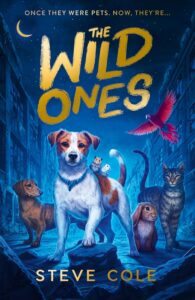
This book is a unique take on a survivor story. It’s the story of a group of animals who are trying to find their way because a catastrophic event happens. This book follows the lives of a group of different pets that all live in a pet care centre. They are quite happy and content being looked after by a human until one day their world changes and all the humans are gone. The pets have to look after themselves in a much scarier world.

Their safe haven is then invaded by ‘The Things’. The things are starving and desperate so the pets have to run from their safe place and try to find another. They have lots of different things to overcome from betrayals to drownings as they go on their journey. Finally finding somewhere they can call home.

On this journey, the pets transform into wild animals that no longer rely on a human, but can survive on their own. With plenty of perilous moment, this book is best suited to older primary readers. It is a great story of bravery, determination and friendship,  which are all brilliant themes to teach to children.

best books for fans of the hunger gamesIf you like The Hunger Games, try these…

Hugely popular with YA readers, The Hunger Games is set in a post-apocalyptic society, featuring themes of survival, morality and media control.

We’ve put together a list of ten similar books for fans of The Hunger Games.

Readers looking for more stories of quests for survival might enjoy James Dashner’s bestselling The Maze Runner or Monique Turner’s sinister reality TV-inspired debut, Island of Influencers. Two survival stories that have stood the test of time are Gary Paulsen’s Hatchet, which starts with a crash-landing, and Robert Swindells’s Brother in the Land, with its nuclear war backdrop.

For more titles that explore dystopian societies, we recommend the gripping, futuristic New You For Ever by Steve Cole, alongside Veronica Roth’s Divergent, Lois Lowry’s The Giver, and Soyoung Park’s Korean YA thriller, Snow Globe.

To further explore the theme of rebels taking on the establishment, young adult readers could try Malorie Blackman’s classic Noughts & Crosses, or Philip Reeve’s Mortal Engines.


best books for fans of skandarIf you like Skandar, try these…

A. F. Steadman’s Skandar saga offers a blend of adventure, magic, danger and destiny, set in a world where unicorns are dangerous and powerful beasts. The series is an enormous hit with readers who enjoy adventures in fantasy worlds with magical creatures.

We’ve put together a list of ten similar books for fans of Skandar. Readers who love stories that feature mythical, fantastical creatures might enjoy Magicalia, Dragonborn or Dracula and Daughters or Katherine Rundell’s incredibly popular Impossible Creatures.

Those looking for new epic sagas or fantasy quests could try Daisy’s gripping adventures in Greenwild, the captivating Inkbound with it’s magical world-building, or the prehistoric monster-hunting journey in Fireborn.

For chapter books featuring secret schools and elite academies, we recommend Tola Okogwu’s Onyeka and the Academy of the Sun, Jacob North’s Ice Apprentices or Peter Burns’s Shadow Thieves.


Subscribe to our newsletter

Your Review

Stone Girl Bone Girl

review

Year group(s) the book is most suitable for:

Year group(s) the book is most suitable for:

Does the book contain anything that teachers would wish to know about before recommending in class (strong language, sensitive topics etc.)?

Does the book contain anything that teachers would wish to know about before recommending in class (strong language, sensitive topics etc.)?

Would you recommend the book for use in primary schools?

yes

Curriculum links (if relevant)

Curriculum links (if relevant)

Any other comments

Any other comments